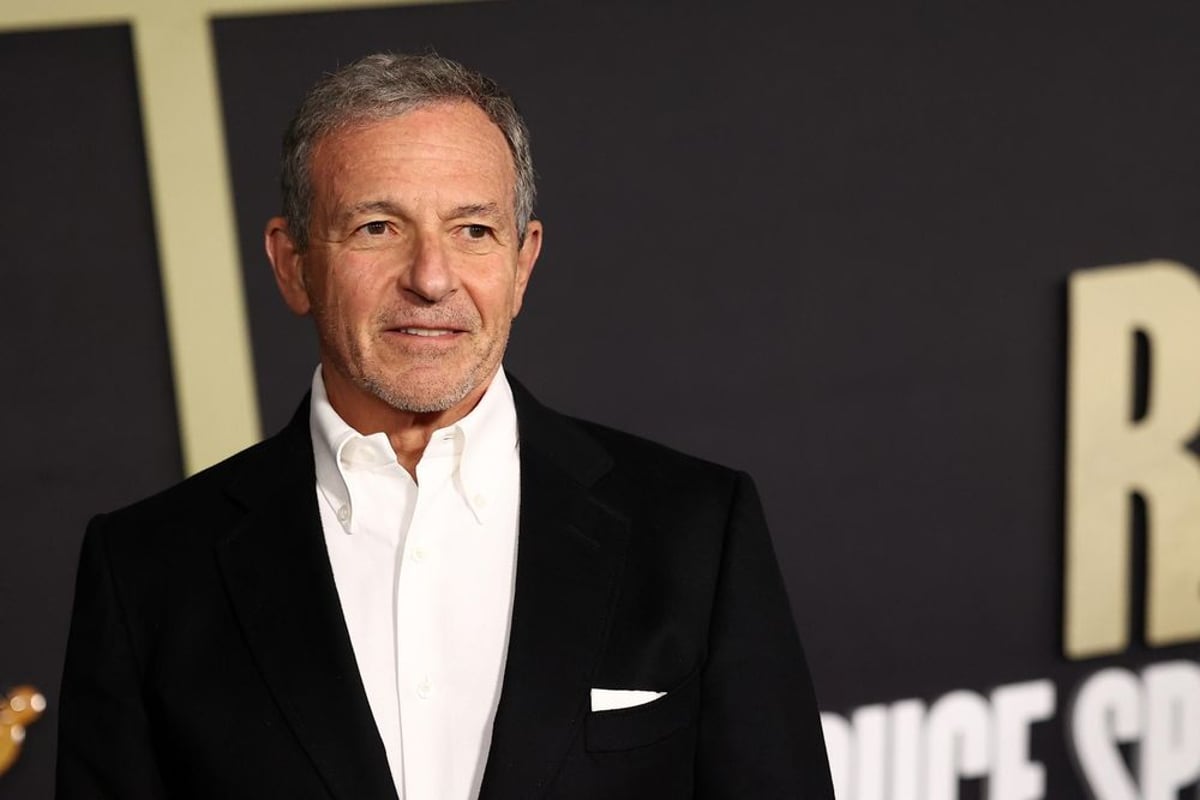
Bob Iger just pulled back the curtain on Disney's biggest missed opportunities. In an exit interview with The Financial Times, the outgoing CEO revealed that Disney nearly acquired Twitter at what he called "a very attractive price," pursued a merger with Apple that got rebuffed, and lost out on securing the James Bond franchise. After two decades steering the entertainment giant through transformative acquisitions like Pixar, Marvel, and Lucasfilm, Iger's candid revelations expose the high-stakes deals that slipped away during his tenure.
Disney came closer to owning Twitter than most people realized. Bob Iger disclosed in his Financial Times exit interview that the entertainment giant negotiated with co-founder Jack Dorsey to acquire the social platform "at a very attractive price" before Elon Musk swooped in with his $44 billion offer in 2022. The deal would've transformed Disney's media strategy, potentially giving the company direct social distribution at a time when streaming wars were heating up.
Iger ultimately walked away from the Twitter acquisition, though he didn't specify exactly why Disney pulled out. The timing matters - this was before Musk rebranded the platform to X and before its advertising revenue cratered. Disney had been exploring the Twitter purchase around 2016, when the social network was valued far below what Musk eventually paid. Industry observers at the time questioned the strategic fit, but Iger apparently saw potential others missed.
The Apple revelation cuts deeper. Iger confirmed Disney pursued merger discussions with the tech giant, only to be turned down. The rebuff is particularly striking given Iger's close relationship with Apple - he joined the company's board after Disney acquired Pixar from Steve Jobs in 2006. A Disney-Apple combination would've created an unprecedented media and technology powerhouse, combining Disney's content library with Apple's hardware ecosystem and services platform. But Apple apparently didn't see the same synergy.
That rejection stands out in Iger's otherwise stellar M&A track record. During his tenure, Disney successfully absorbed Pixar for $7.4 billion in 2006, Marvel Entertainment for $4 billion in 2009, Lucasfilm for $4 billion in 2012, and most of 21st Century Fox's entertainment assets for $71 billion in 2019. Each acquisition strengthened Disney's content moat and fueled its streaming ambitions. An Apple merger would've dwarfed them all.
The James Bond miss represents another franchise gap in Disney's portfolio. Iger acknowledged Disney pursued the iconic spy series but couldn't close the deal. MGM Holdings ultimately retained the rights before Amazon acquired MGM for $8.45 billion in 2022, bringing 007 into Amazon's growing entertainment empire. For Disney, losing Bond meant one less tentpole franchise to compete with Marvel and Star Wars.
These failed deals illuminate the strategic pressures Iger faced as streaming disrupted traditional media. Twitter could've given Disney direct consumer relationships and real-time cultural relevance. Apple would've solved distribution challenges and opened new revenue streams. Bond would've added another billion-dollar franchise to the stable. Instead, Disney bet heavily on Disney+ and its existing IP, a strategy that's shown mixed results as the streaming business struggles toward profitability.
Iger's willingness to discuss these misses publicly is unusual for departing CEOs, who typically focus on victories during exit tours. But it reveals the reality of corporate strategy at the highest level - even the most successful dealmakers face rejection and make tough calls to walk away. Disney's board brought Iger back from retirement in 2022 to steady the company after his successor Bob Chapek's tumultuous tenure, and he's now handing the reins to his next successor after cleaning up the streaming strategy.
The timing of these revelations also matters for Disney's future. Without Twitter's social distribution, without Apple's technology integration, and without Bond's global appeal, Disney must rely more heavily on its existing franchises and theatrical releases. The company's next CEO inherits a portfolio shaped as much by these non-deals as by Iger's successful acquisitions. Investors will watch whether Disney pursues similarly bold M&A moves or focuses on organic growth and profitability.
Iger's exit interview offers a rare glimpse into the deals that didn't happen - often as revealing as the ones that did. Disney's failure to land Twitter, Apple, or James Bond shaped the company's current position just as much as acquiring Marvel or Fox. For the incoming CEO, these missed opportunities serve as both cautionary tales and potential roadmaps. The question now is whether Disney continues swinging for transformative acquisitions or doubles down on the empire Iger built, for better or worse.