Figma shares rocketed 7% Monday after OpenAI CEO Sam Altman gave the design platform star billing at DevDay, demonstrating how ChatGPT's 800 million users can now sketch ideas and instantly convert them into workable Figma diagrams. The integration marks a pivotal moment for both AI-powered workflows and Figma's post-IPO momentum.
The market didn't waste time reacting to what could be a game-changing partnership. Figma shares surged as much as 7% Monday after OpenAI CEO Sam Altman put the design platform front and center during his company's annual DevDay conference in San Francisco.
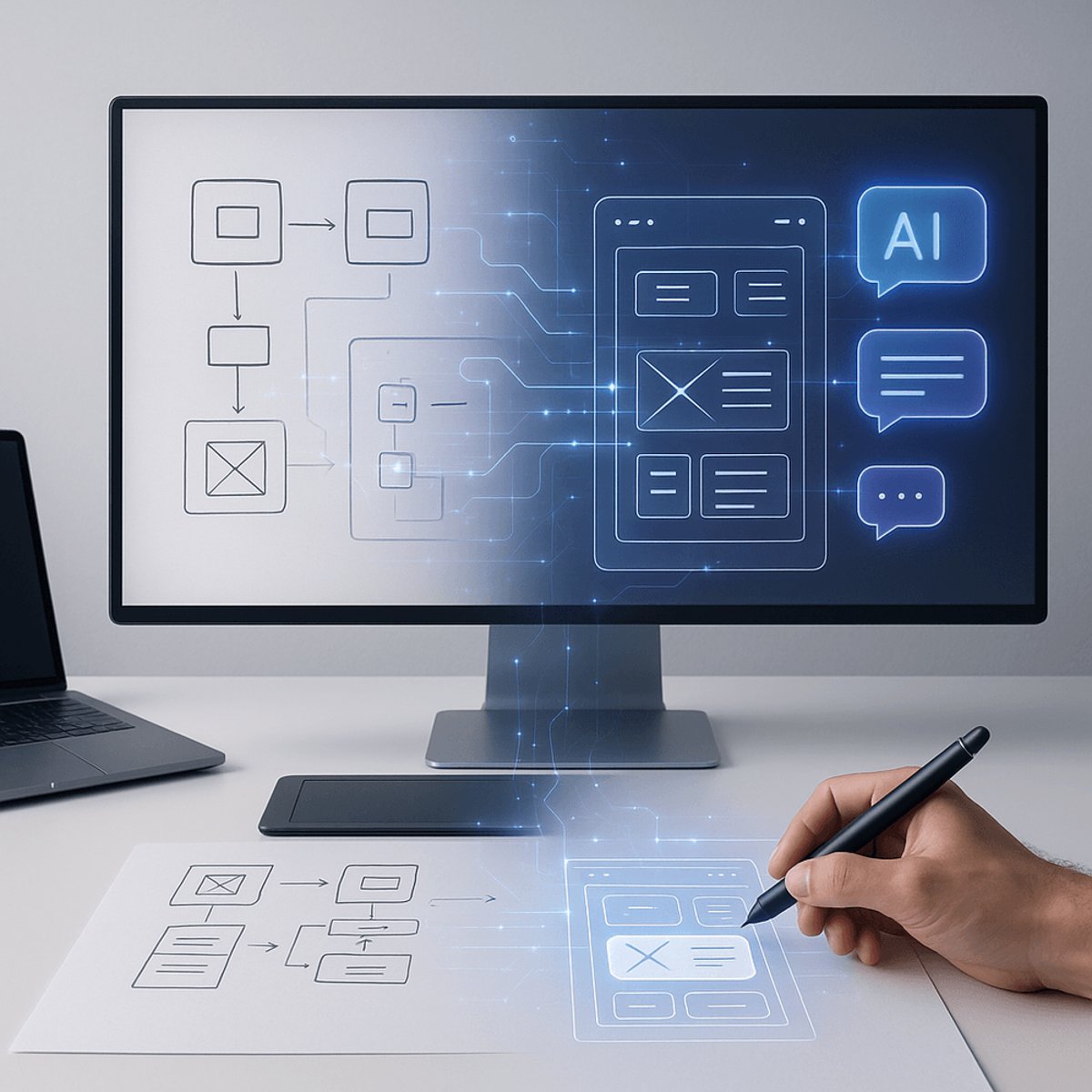
Altman's demo was simple but powerful - sketch out a product flow in ChatGPT, then say "Figma, turn this sketch into a workable diagram." The Figma app takes over from there, completing the action without users ever leaving their ChatGPT conversation. It's the kind of seamless integration that design teams have been dreaming about.
"When someone's using ChatGPT, you'll be able to find an app by asking for it by name," Altman explained to the packed audience. The integration works both ways too - ChatGPT can proactively suggest Figma when it detects relevant design work, according to Figma product manager Luke Zhang's blog post.
The timing couldn't be better for Figma. The company went public just three months ago in July, and Monday's rally was its steepest since that initial trading debut on the New York Stock Exchange. Investors are clearly betting that access to ChatGPT's massive user base - over 800 million monthly active users - could supercharge Figma's growth trajectory.
This isn't just about convenience either. Figma has been aggressively building out its own AI capabilities, incorporating generative models from OpenAI and other providers into its design tools. The ChatGPT integration represents a natural evolution of that strategy, and potentially a preview of where the entire creative software industry is heading.
The technical foundation runs deeper than it might appear. OpenAI's new Apps SDK leverages something called the Model Context Protocol, an open standard that rival Anthropic introduced last year. It's designed to let third-party applications plug seamlessly into AI conversations, maintaining context and user state across different platforms.
For design teams, this could eliminate the constant app-switching that breaks creative flow. Users working on products in Figma can launch into FigJam for brainstorming, all while staying connected to their ChatGPT conversation thread. Subscribers to Apps SDK-connected products won't even need to log in again - authentication happens automatically in the background.
OpenAI clearly sees third-party integrations as a major revenue driver going forward. Just last week, the company announced a feature letting users buy products from Etsy directly through ChatGPT. Altman hinted that many more monetization opportunities are coming as the platform opens up.
Software developers will be able to submit their own apps for review later this year, Altman said, suggesting OpenAI is building toward a full-fledged app ecosystem within ChatGPT. That puts the company in direct competition with traditional app stores, but with the advantage of conversational AI as the interface.
The market's reaction to Monday's demo suggests investors are taking notice of these platform plays. For Figma specifically, the integration could be transformative - turning ChatGPT's vast user base into potential design tool converts. And for the broader software industry, it's another signal that AI assistants are becoming the new front door for digital workflows.
Monday's market reaction shows how quickly investors are recognizing the potential of AI-native integrations. For Figma, this partnership could unlock access to hundreds of millions of new users who might never have considered dedicated design software. More broadly, it signals a shift toward AI assistants becoming the primary interface for professional workflows - a trend that could reshape entire software categories in the months ahead.