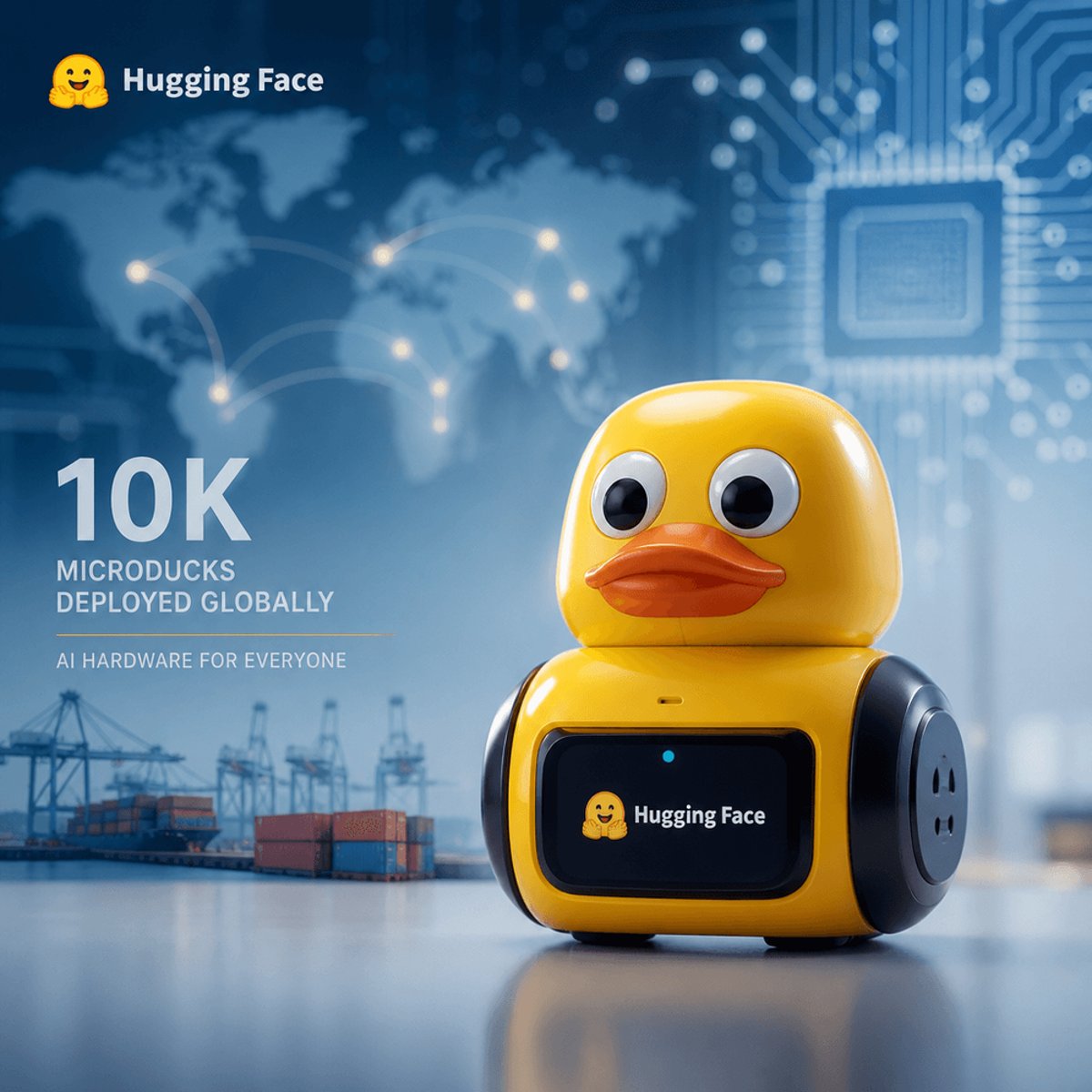
Hugging Face just proved that even the AI world's favorite open-source shop can sell hardware like a hot holiday toy. The company's French robotics arm, Pollen Robotics, moved more than 10,000 units of its googly-eyed "Microduck" robot in the days since its Thursday launch, and it's doing so with a Chinese-made chip inside, a detail that's raising eyebrows given the current climate around tech supply chains.
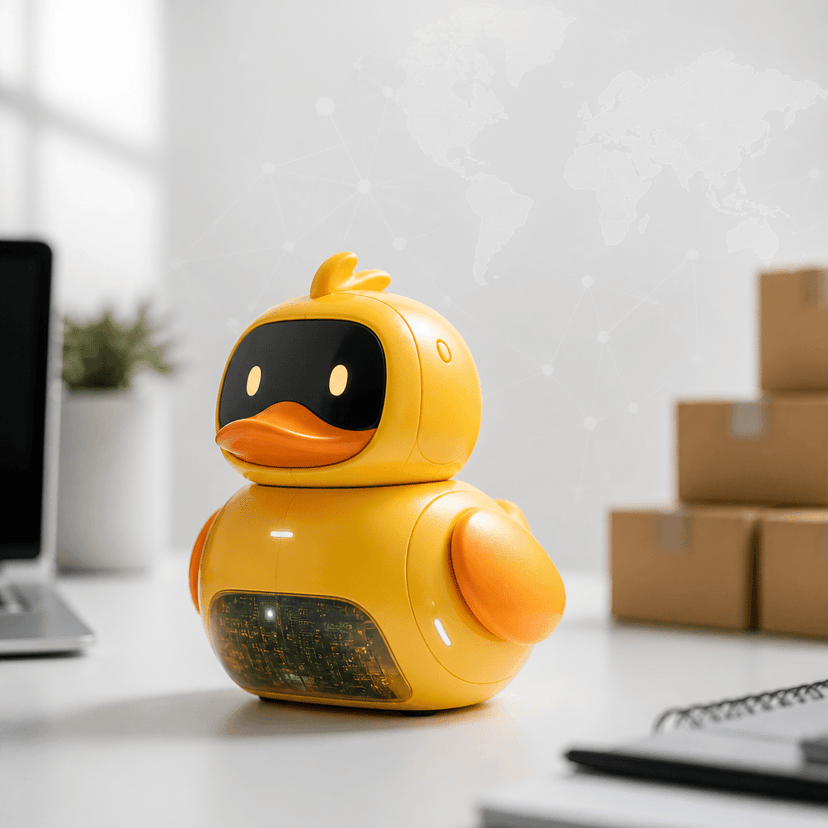
Hugging Face isn't just a place where developers download open-source large language models anymore. It's now, apparently, also a toy company with a hit product on its hands. The Microduck, a small, colorful robot built by Pollen Robotics, the French robotics startup that Hugging Face acquired last year, has sold more than 10,000 units since it went on sale Thursday, according to CNBC. That's a striking number for a hardware launch from a company best known for hosting AI models and datasets, not shipping physical gadgets to consumers' doorsteps.
What makes the story more interesting than just "AI company sells cute robot fast" is what's powering the thing. The Microduck runs on a chip made in China, a choice that lands right in the middle of an ongoing, messy conversation about where the tech industry's components come from and who controls that supply chain. For a company like Hugging Face, which has built its brand on openness and accessibility, sourcing hardware globally isn't exactly shocking. But it does put a spotlight on how even AI-adjacent hardware startups can't escape the geopolitics baked into modern chipmaking, a dynamic that's shaped everything from Nvidia's export restrictions to Apple's manufacturing diversification push in recent years.
Pollen Robotics isn't a household name yet, but it's been quietly building humanoid and desktop robots for years before Hugging Face brought it into the fold. The acquisition made sense on paper: Hugging Face has the developer community and open-source ethos, Pollen has the hardware chops. Pairing the two lets Hugging Face extend its brand from software into physical robotics, a space that's been heating up as companies race to put AI models into bodies that can actually move around and interact with the world. Think of it as the same instinct driving Tesla's Optimus project or Meta's reported robotics ambitions, just scaled down to something that fits on a desk and looks like a rubber duck.
The sellout also says something about pricing and positioning. Robots historically carry steep price tags that keep them out of reach for hobbyists and casual buyers. If Microduck is moving 10,000 units in days, it suggests Hugging Face found a sweet spot between affordability and novelty, the same formula that's turned niche gadgets into viral hits before. It doesn't hurt that the Hugging Face name carries real credibility inside the AI and developer community, a built-in audience primed to buy anything the company puts its name on, especially something as shareable and meme-friendly as a duck-shaped robot.
Still, selling fast isn't the same as selling sustainably. Hardware startups have a long, bruising history of nailing the launch and then stumbling on fulfillment, quality control, or supply chain bottlenecks once demand outpaces supply. Relying on a Chinese chip supplier adds another variable to that equation, particularly if trade tensions between the US and China escalate further or if export controls tighten around components used in consumer electronics. Hugging Face hasn't publicly detailed its supply chain resilience plans, and it's unclear how it will handle a surge of orders if Microduck's momentum continues past launch week.
What's clear is that this is a meaningful test case for Hugging Face's ambitions beyond software. The AI industry has spent the last few years arguing about model size, training costs, and who owns the best foundation models. Microduck is a reminder that the next competitive battleground might be physical: who can put approachable, affordable robots into people's homes and offices first. If Hugging Face can turn a viral hardware launch into a repeatable business, it could reshape how people think of the company entirely, less a repository for AI code, more a brand that ships things you can actually hold.
The Microduck's fast sellout is a small story with bigger implications. It shows Hugging Face can translate its open-source AI credibility into consumer hardware demand almost overnight, but it also exposes the company to the same supply chain scrutiny that's dogged bigger players like Apple and Nvidia. Whether this becomes a one-off viral moment or the start of a real robotics business line depends on how Hugging Face handles the unglamorous parts: manufacturing scale, chip sourcing, and keeping quality up once the novelty wears off.