Apple's iPhone Air achieves something remarkable - it's so light at just 5.64 millimeters thick that you'll literally forget it's in your pocket. After ten days of testing, TechCrunch's Ivan Mehta confirms the engineering marvel works as advertised, but the real question isn't whether it's impressively thin - it's whether the trade-offs in battery life and camera capability are worth it for most users.
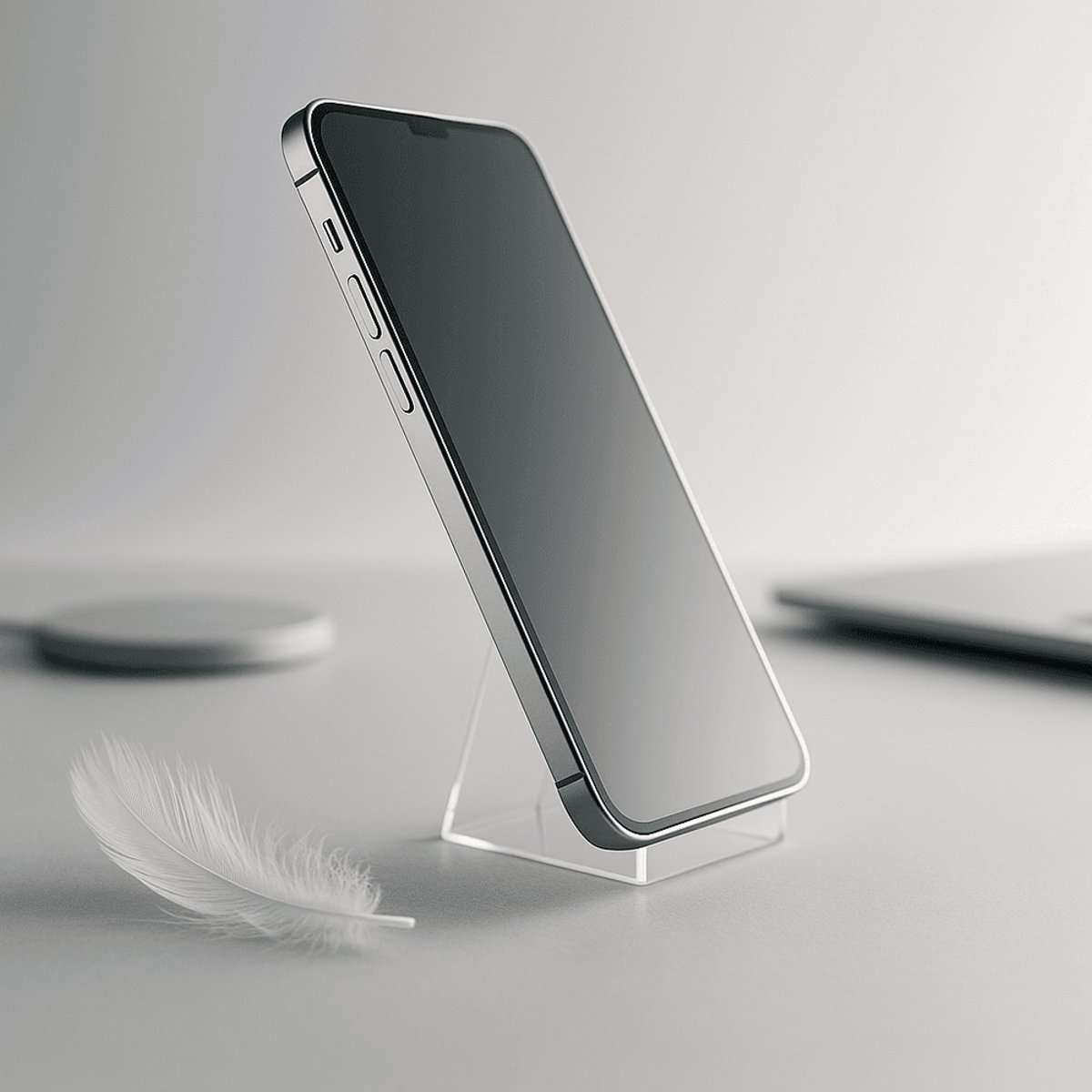
Apple's iPhone Air just redefined what thin means in smartphone design, and the result is both impressive and polarizing. At 5.64 millimeters thick, it's genuinely so light that switching back to an iPhone 17 Pro Max feels like picking up a brick. That stark contrast reveals both Apple's engineering achievement and the philosophical divide this device creates in their lineup.
The physical experience is immediately striking. Despite weighing only 12 grams less than the standard iPhone 17, the Air's thinness creates a psychological lightness that has people repeatedly picking it up just to experience the sensation again. It's sturdy enough to survive bedside table drops and accidental sitting incidents, with durability videos confirming it handles daily wear surprisingly well for such a thin device.
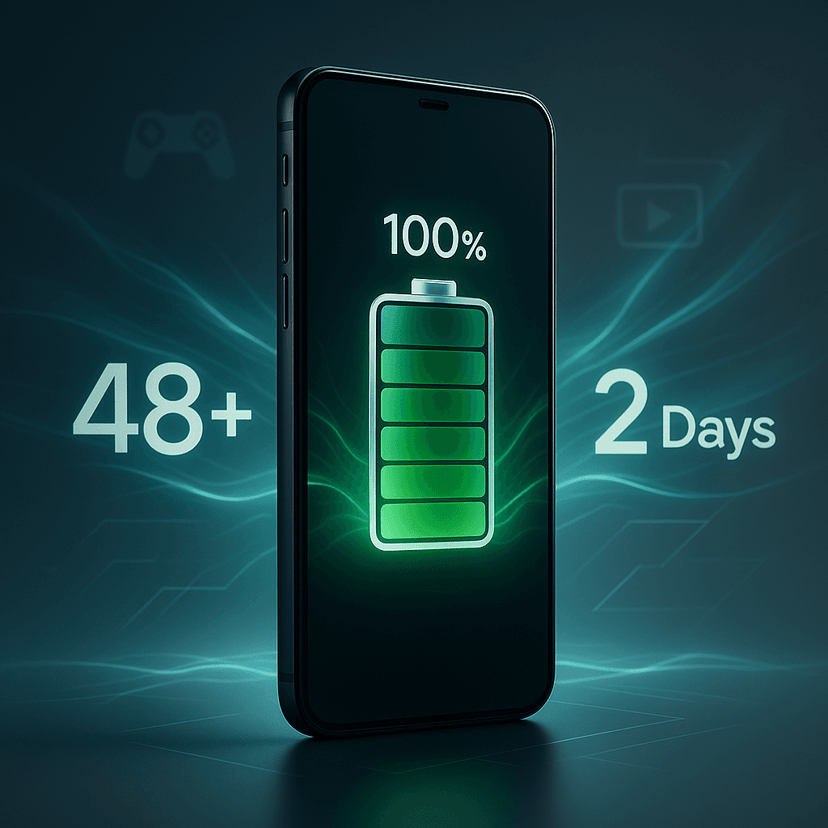
But the real test comes during extended use, where the compromises become apparent. The phone runs hot during intensive tasks like gaming or video streaming, particularly around the camera area, creating that anxious battery-checking behavior that heavy users know too well. For moderate usage - calls, social media, email on Wi-Fi - it's perfectly adequate. However, power users will find themselves eyeing Apple's $99 MagSafe battery pack, which ironically adds back the bulk and weight the Air eliminates.
The camera situation tells a more complex story. The single 48-megapixel sensor with f/1.6 aperture matches the base iPhone 17's setup, delivering solid image quality with sensor-shift stabilization. But the absence of telephoto and ultra-wide lenses creates painful moments for anyone accustomed to optical zoom flexibility or sweeping landscape shots. The 2x crop from the main sensor works adequately except in low light, though it's a clear step down from dedicated telephoto systems.
Apple did innovate with the new 18-megapixel square selfie sensor, enabling different aspect ratios without rotating the phone horizontally. Center Stage automatically adjusts framing as more people enter the shot, while new dual-camera video recording uses front and rear cameras simultaneously - features that hint at Apple's broader creative ambitions.
The audio compromise is subtler but noticeable. With only a single top speaker, the Air lacks the stereo separation that makes media consumption more immersive. For AirPods users, it's irrelevant, but those occasional times you want to share audio or watch content speakers-only feel diminished.
What emerges is a device that TechCrunch accurately describes as a 'vibe phone' - prioritizing aesthetics and the tactile experience over practical capabilities. It fills the fourth slot in Apple's lineup that previously housed the Mini and Plus models, both of which struggled to find their audience.
The iPhone Air's success will depend on whether enough users prioritize that remarkable thinness and portability over the battery anxiety and camera limitations. For travelers who value every gram, fashion-conscious users, or anyone frustrated by bulky phones, the Air delivers something genuinely different. For power users, photographers, or anyone who needs reliable all-day battery life, the standard iPhone 17 or Pro models remain the better choice.
Apple executed the difficult engineering challenge flawlessly. Now they face the harder task of convincing consumers that sometimes less really can be more.
The iPhone Air represents Apple's most successful attempt yet at creating a genuinely differentiated device within their lineup. Unlike the Mini's size constraints or the Plus's awkward positioning, the Air offers something you can't get elsewhere - a flagship phone that disappears in your pocket. Whether that unique value proposition outweighs the battery and camera compromises will determine if it avoids the fate of its predecessors. For users who've always wished their phone felt less substantial, the Air finally delivers. For everyone else, Apple's other iPhone options remain the practical choice.