OnePlus just dropped the OnePlus 15 with breakthrough battery technology that's reshaping smartphone expectations. The device packs a massive 7,300-mAh silicon-carbon battery - the largest ever in a US flagship - delivering consistent two-day runtime that puts every competitor to shame. According to WIRED's extensive testing, this represents the biggest leap in smartphone endurance since the early days of mobile computing.
OnePlus is making its boldest play yet for US market relevance with the OnePlus 15, a device that fundamentally redefines what flagship battery life should look like. The company has been struggling to gain traction against Samsung and Apple, falling behind even Motorola and Google in market share over recent years.
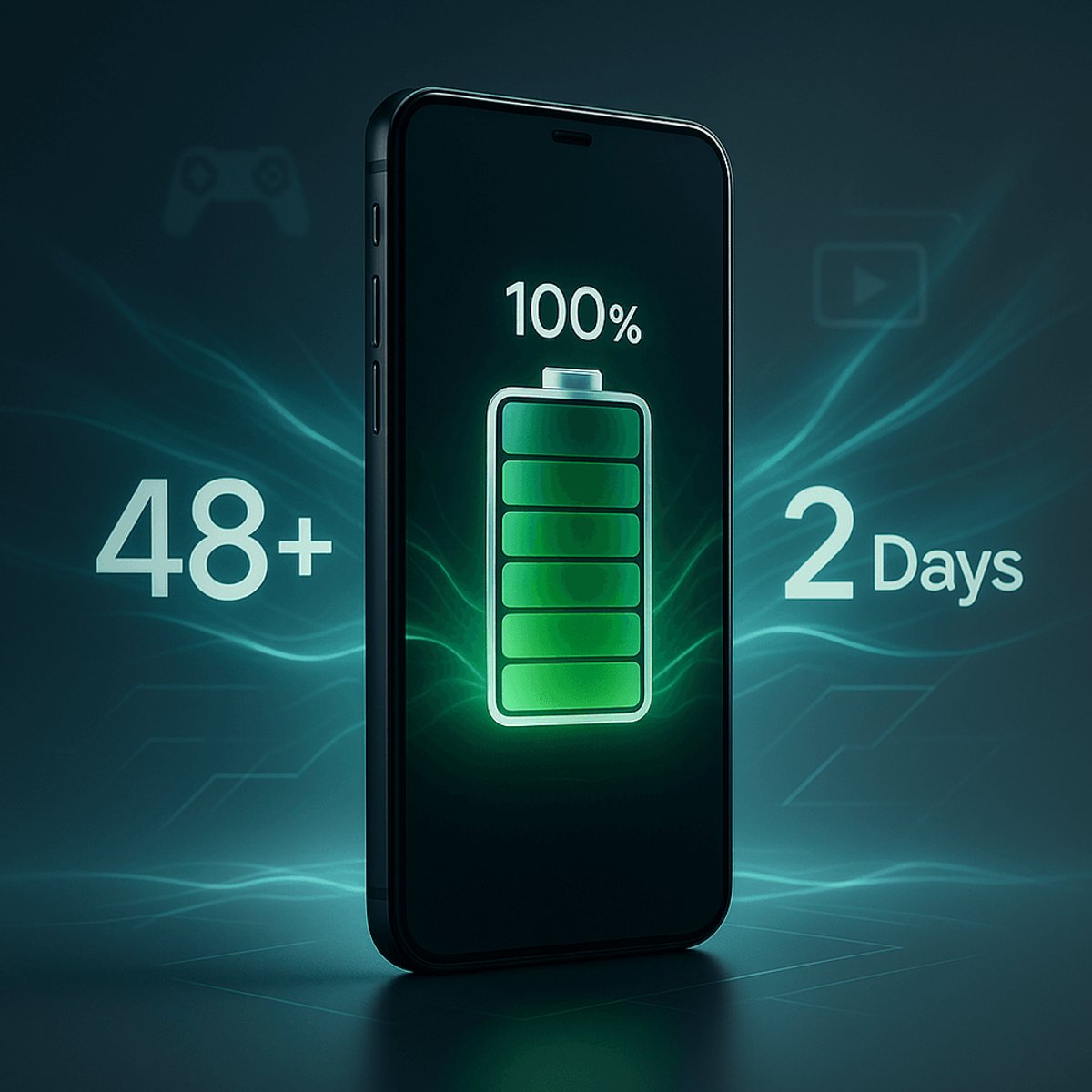
The game-changer here isn't just incremental improvement - it's a massive 7,300-mAh silicon-carbon battery that dwarfs everything else in the US market. For context, Samsung's Galaxy S25 Ultra packs just 5,000-mAh, making the OnePlus 15's cell nearly 50% larger. According to Julian Chokkattu's testing for WIRED, this translates to consistent two-day usage with 70% remaining after light days and 50-60% after heavy streaming and gaming sessions.
"I exclusively charged it every other day after more than a week of testing," Chokkattu reported, achieving an impressive 10.5 hours of screen-on time across two days. The phone pairs this endurance with OnePlus's SuperVooc fast-charging technology, ramping from 15% to 80% in just 30 minutes.
Performance credentials are equally impressive. The OnePlus 15 debuts Qualcomm's Snapdragon 8 Elite Gen 5 processor in the US market, officially becoming the first smartphone to break 10,000 in Geekbench 6 multi-core testing - even beating Apple's iPhone 17 Pro Max. Gaming performance particularly stands out, with Genshin Impact running flawlessly at maximum settings while maintaining 60fps without uncomfortable heating.
The design represents a significant departure from OnePlus tradition. Gone are the distinctive circular camera modules and marble-pattern backs, replaced by a more conventional square camera bump and flat color options: Infinite Black, Sand Storm, and Ultra Violet. The redesign extends to technical specifications, including a 165-Hz AMOLED display, 3,200-Hz touch sampling rate, and comprehensive water resistance with IP66, IP68, IP69, and IP69K ratings.
However, the US launch faces immediate challenges. The ongoing government shutdown has delayed FCC certification, forcing OnePlus to postpone preorders that were scheduled to begin this week. The device starts at $900 for the basic configuration, climbing to $1,000 for additional colors and faster RAM options.
Camera performance remains OnePlus's traditional weak point. Despite the company's "DetailMax Engine" image processing algorithm and 50-megapixel sensors across all three rear cameras, results still trail Samsung and Google Pixel flagships. Chokkattu noted decent photo quality but criticized sharpness in low light and overly aggressive shadow lifting that reduces contrast.
The software experience brings mixed results. OxygenOS borrows heavily from Apple's iOS design language, which may alienate Android purists. More concerning is the aggressive AI integration, with features like "AI Writer" constantly suggesting generative text assistance. The former mute switch has been replaced with a "Plus Key" dedicated entirely to AI functions, including screenshot analysis and voice transcription.
Wireless charging represents another compromise. While the OnePlus 15 supports wireless charging, it's limited to standard Qi technology rather than the magnetic Qi2 standard that's becoming industry norm. OnePlus sells magnetic cases separately, but they don't enable full Qi2 functionality like Samsung's current flagships.
The update policy also lags behind competitors, offering four Android OS upgrades and six years of security updates compared to seven years from Samsung and Google. For a company trying to establish premium credentials, this shorter support window sends mixed signals about long-term commitment.
Market positioning becomes crucial as OnePlus attempts to differentiate in an increasingly crowded Android space. The battery breakthrough provides genuine competitive advantage, but success depends on whether consumers prioritize endurance over camera quality and wireless charging convenience. Early availability across all major US carriers should help distribution, assuming FCC certification resolves quickly.
The OnePlus 15 represents both breakthrough innovation and familiar compromises. Its revolutionary battery technology genuinely solves smartphone's biggest daily annoyance, while cutting-edge performance credentials establish new Android benchmarks. But camera limitations, wireless charging gaps, and software quirks remind us why OnePlus struggles against established flagships. For users who prioritize gaming performance and multi-day battery life over photography prowess, this device offers compelling value. The real test comes when FCC certification clears and consumers can finally experience two-day smartphone life firsthand.