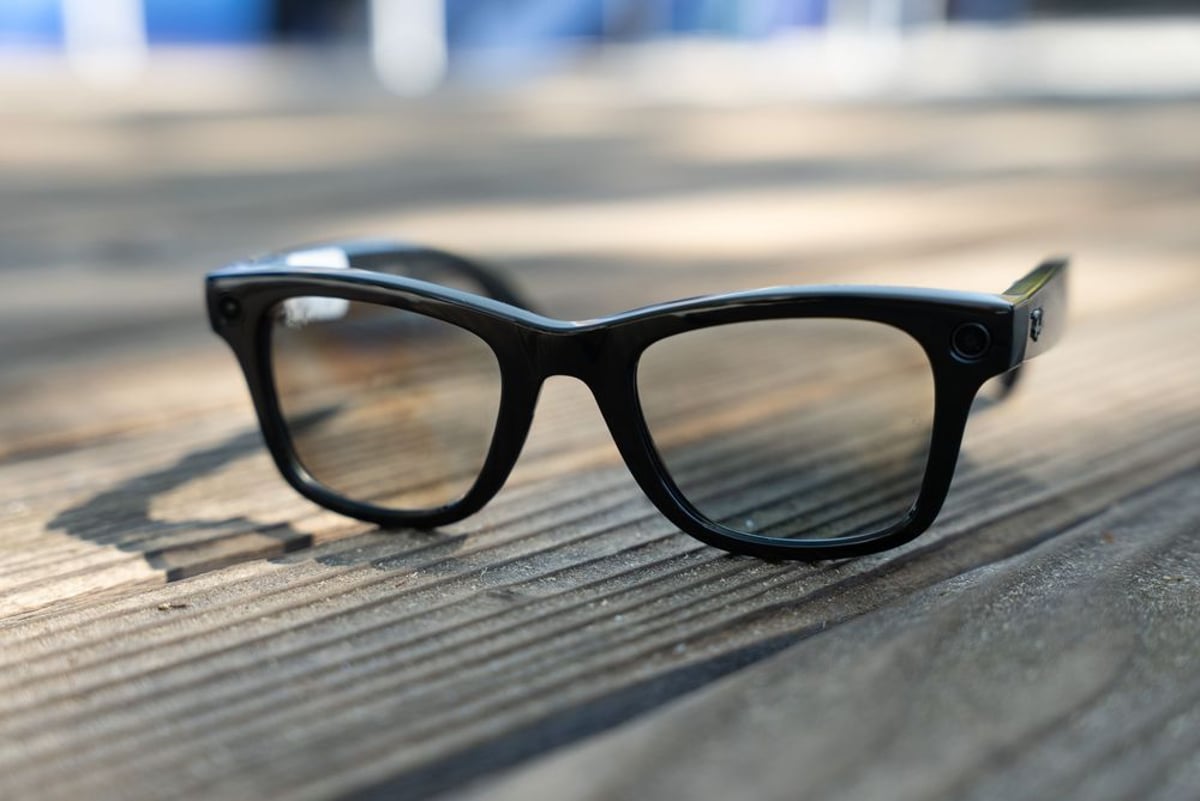
Meta just rolled out its first trade-in program for smart glasses, letting customers swap old devices for discounts on Ray-Ban and Oakley models. The pilot program runs through December 31st and surprisingly accepts earbuds from competitors like Apple and Samsung. With discounts up to $113 off the $379 Gen 2 models, Meta's making a direct play for the holiday upgrade cycle.
Meta is testing the waters with something new - its first-ever trade-in program for smart glasses. The pilot program launched quietly this week and runs only through December 31st, offering discounts up to $113 on Ray-Ban and Oakley smart glasses when customers trade in older devices.
The move signals Meta's growing confidence in its wearables business. According to Meta's legal documentation, the program accepts Ray-Ban Meta Gen 1 and Gen 2 models, plus the Oakley Meta HSTN and Vanguard editions. But here's the twist - Meta's also accepting earbuds from competitors.
The eligible earbud list reads like a who's who of audio competition: AirPods Pro 2, original AirPods Pro, Galaxy Buds3 series, and various Beats models. There's even a mysterious "AirPods Pro 4" on the list, which doesn't exist yet, suggesting either a typo or inside knowledge of Apple's roadmap.
This cross-category trade-in strategy is unusual but smart. Meta's essentially saying "we'll take whatever's in your ears to get our glasses on your face." It's a direct challenge to the audio market that Apple dominates, positioning smart glasses as the next evolution of personal audio devices.
The program has some quirks. You have to buy directly from Meta's website, and Reddit users report needing different browsers to see the trade-in option appear in their cart. The technical glitches suggest this was launched quickly, possibly to capture holiday shopping momentum.
Notably absent from the program is Meta's newest Ray-Ban Display model, which features an actual screen and represents the company's AR ambitions. That exclusion makes sense - Meta needs to establish demand for its current generation before complicating things with next-gen hardware.
The $113 maximum discount takes a significant chunk off the $379 Ray-Ban Meta Gen 2 price tag, which already offers twice the battery life of the original. Meta's simultaneously running sales on first-generation models, creating a clear upgrade path for different customer segments.
This trade-in program comes as the smart glasses market sits at an inflection point. While current adoption remains limited, Meta's betting that convenience and social sharing features will drive mainstream acceptance. The company shipped over 1 million Ray-Ban Meta units in 2024, according to industry estimates.
The timing isn't coincidental. With Apple rumored to enter smart glasses in 2025 and Google reportedly reviving its Glass project, Meta needs to build market share now. Trade-in programs create switching costs and lock customers into ecosystems - exactly what Meta learned from its VR strategy.
For consumers, the program offers genuine value during the holiday season. The discounts make Meta's smart glasses more accessible, while the earbud trade-ins provide an upgrade path many didn't know they wanted.
Meta's trade-in program represents more than holiday promotion - it's ecosystem warfare disguised as customer convenience. By accepting competitor earbuds, Meta's positioning smart glasses as the natural evolution of personal audio while building switching costs that could pay dividends as the market matures. With Apple and Google circling, every converted customer now becomes harder to lose later.