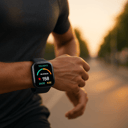
Jacob Kiplimo just rewrote Chicago Marathon history. The Ugandan world record holder and Samsung Team Galaxy athlete crossed the finish line in 2:02:23 on October 12, marking the second-fastest time in the race's 48-year history and seventh-fastest marathon ever recorded. His victory wasn't just about raw talent - it was powered by data-driven training using Samsung's Galaxy Watch8.
Jacob Kiplimo's historic Chicago Marathon victory tells a bigger story about how elite athletes are embracing consumer technology to push human limits. The 25-year-old Ugandan didn't just rely on natural talent when he blazed through 26.2 miles in 2:02:23 - he had Samsung's Galaxy Watch8 tracking every heartbeat, stride, and sleep cycle.
The performance immediately sent shockwaves through the running world. Only one runner in Chicago Marathon's 48-year history has gone faster, and globally, just six marathoners have ever recorded quicker times. For context, Kiplimo's finish was just 3 minutes and 21 seconds off the world record, achieved while wearing consumer-grade wearable tech that retails for under $400.
"When anxiety kicks in before the big race, it is critical that I reduce my training and conserve my energy through sleep - a crucial part of every runner's training journey," Kiplimo told Samsung. "Sleep helps my body lock in all the hard work I've done."
That quote reveals something revolutionary happening in professional athletics. While competitors like Apple Watch and Garmin have dominated the fitness wearable space, Samsung is making a serious play for the high-performance market through its Team Galaxy sponsorship program.
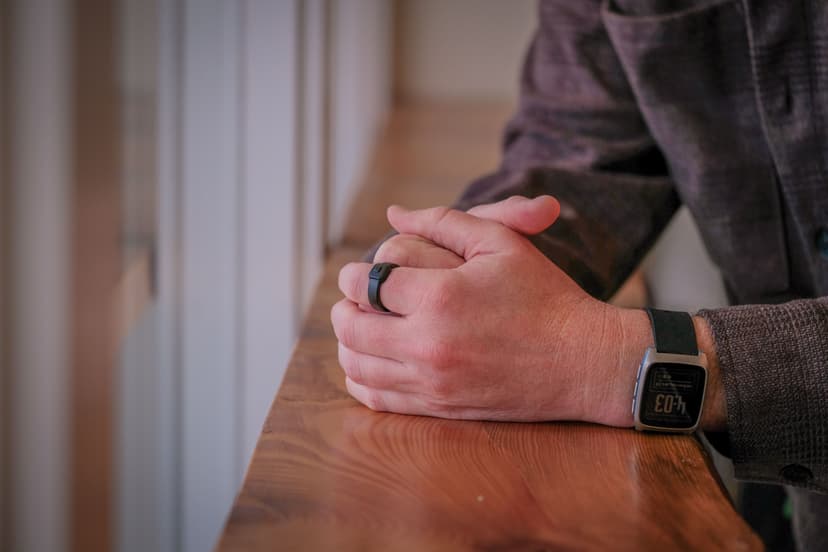
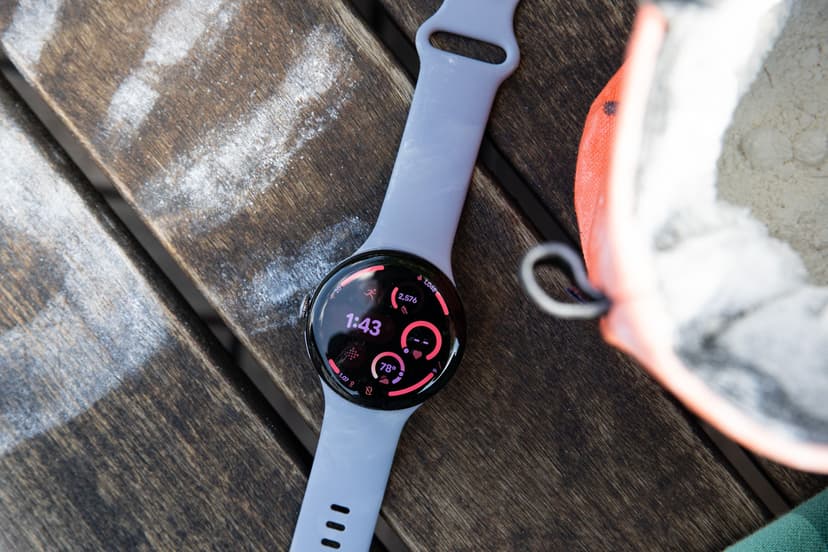
The Galaxy Watch8's Running Coach feature analyzed Kiplimo's performance data after 12-minute training runs, provided skill assessments on a 10-level scale, and delivered customized training programs. During the actual marathon, the device fed him real-time pace feedback and motivational messages - essentially putting an AI coach on his wrist.
But the real game-changer was Samsung's new Bedtime Guidance feature. The technology analyzed Kiplimo's sleep patterns over three-day periods to optimize his recovery schedule. In marathon training, where athletes routinely log 100+ mile weeks, sleep optimization can mean the difference between peak performance and burnout.
The timing couldn't be better for Samsung's wearable ambitions. Apple dominates the smartwatch market with roughly 36% global share, while Samsung holds about 10%. But elite athletic endorsements like Kiplimo's victory could shift consumer perception, especially among serious fitness enthusiasts willing to pay premium prices.
Kiplimo's performance also validates Samsung's broader AI strategy. The Galaxy Watch8's coaching algorithms represent the same artificial intelligence philosophy driving Samsung's smartphone and home appliance divisions - using machine learning to personalize user experiences.
The marathon world is taking notice. Kiplimo already held the half-marathon world record (56:42) and Uganda's national marathon record before Chicago. Now he's proven that consumer wearable technology can compete at the sport's highest levels, potentially opening new marketing channels for Samsung.
This victory comes as the wearable fitness market expects explosive growth. Industry analysts project the global fitness tracker market will reach $15.6 billion by 2026, with premium devices driving much of that expansion. Samsung's bet on elite athletic partnerships could pay dividends if recreational runners follow Kiplimo's lead.
For Samsung, Kiplimo's 2:02:23 represents more than just a fast marathon time. It's validation that their AI-powered health platform can compete with specialized sports brands while maintaining the broader smartwatch functionality that consumers demand.
Kiplimo's record-breaking performance represents more than athletic achievement - it signals how consumer wearable technology is infiltrating professional sports. As Samsung challenges Apple and Garmin for fitness tracking supremacy, elite endorsements like this could reshape how serious athletes and weekend warriors alike view smartwatch capabilities. The race for your wrist just got a lot more competitive.