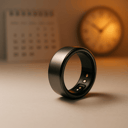
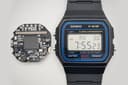
Pebble founder Eric Migicovsky just unveiled his latest gadget obsession - a $75 smart ring called the Index 01 that does exactly one thing: records voice memos when you press its button. The ultra-minimalist wearable represents a sharp departure from feature-packed competitors, betting that simplicity trumps complexity in the emerging smart ring market.
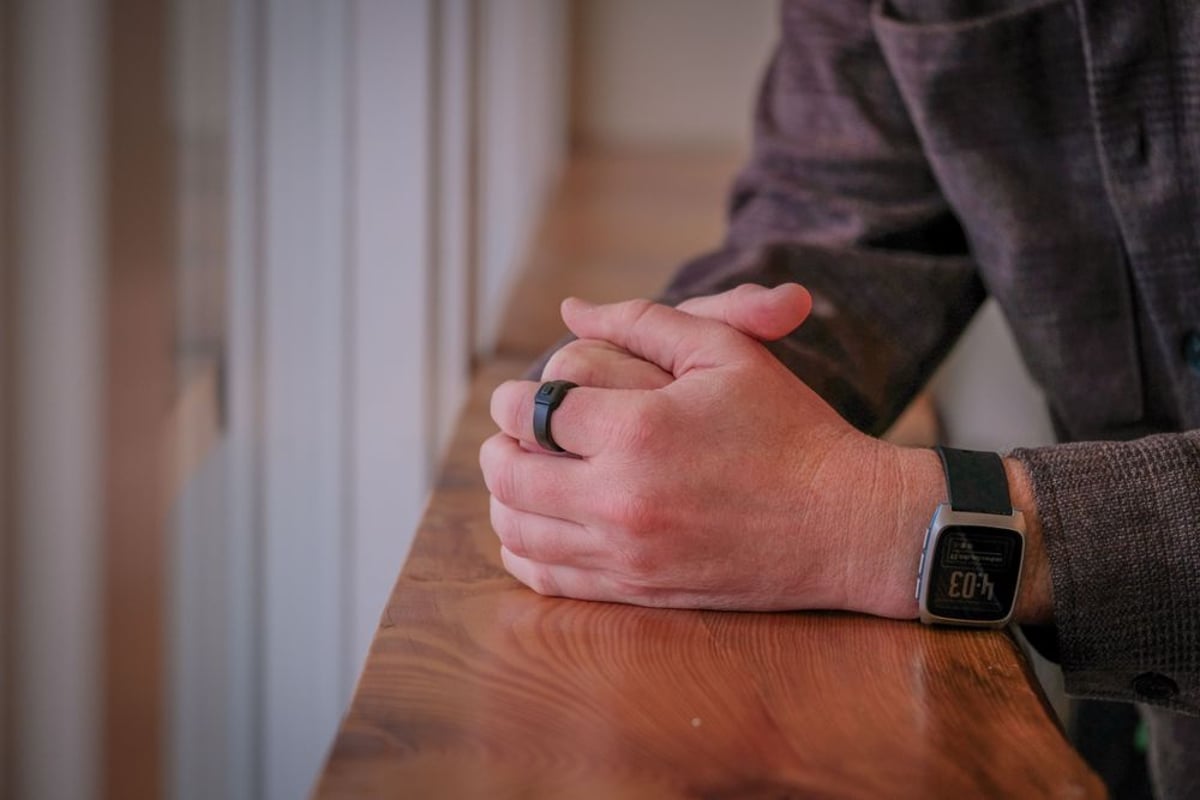
Pebble founder Eric Migicovsky has been spotted wearing prototypes for over a year, and now the Index 01 is ready for primetime. The $75 ring deliberately strips away everything you'd expect from a smart ring - no heart rate monitoring, no sleep tracking, no fancy sensors. Just a microphone, a button, and Migicovsky's conviction that sometimes less really is more.
The device works exactly how you'd imagine: press and hold the button with your thumb, speak your thoughts, release. Your audio gets transmitted via Bluetooth to the Pebble app where it's transcribed and organized. But here's where things get interesting - the ring packs five minutes of local storage and on-device transcription, so it keeps working even when your phone's out of range.
"You could take the internet connection out and the whole thing still works," Migicovsky told The Verge. That reliability obsession runs deep - the Index doesn't even need charging. Its battery should last two years with typical use, though apparently recording 15 straight hours will kill it (don't try that at home).
Migicovsky calls it "external memory for your brain," and he's clearly drinking his own Kool-Aid. He uses his Index up to 20 times daily for the holy trinity of productivity: taking notes, setting reminders, and creating alarms. His setup automatically pipes notes to Notion, sets Android alarms directly, and pairs with his Pebble smartwatch for a phone-free workflow.
The timing couldn't be more interesting. Smart rings are having a moment, with players like Oura and Samsung pushing health-focused devices packed with sensors. Meanwhile, AI-powered competitors like the Wizpr and Stream Ring are betting on voice-first interactions for AI assistants.
Migicovsky sees the AI potential but isn't rushing there. He's considering features like double-clicking to send recordings to ChatGPT and integrating the Model Context Protocol for broader AI connectivity. But he's adamant this isn't trying to be the Friend - that controversial AI companion that sparked debate about always-listening devices.
"This is external memory for my brain," he emphasized. "It does one thing and it does it really freaking well." Then came the kicker: "But it's hackable."
True to Pebble's open-source roots, the entire Index ecosystem will be available for tinkering. Hardware hackers can build new input methods, developers can add app features, and the broader community can take the tech in completely new directions. It's classic Migicovsky - build what he wants to use, then let the community run wild with it.
The business model is straightforward: preorders start at $75, jumping to $99 when shipping begins in March 2026. The ring comes in three colors with multiple sizes, and Migicovsky's betting that plenty of people want to talk to their hands - as long as it never fails.
This launch comes as Pebble's comeback story continues gaining momentum. The new Pebble 2 Duo smartwatch also features voice input capabilities, and the upcoming Pebble Time 2 will pack dual microphones. But Migicovsky insists the ring serves a different purpose - requiring two fingers instead of two hands makes all the difference for quick captures.
The Index 01 represents a fascinating bet against the industry's more-is-more mentality. While competitors cram sensors and AI features into every possible form factor, Migicovsky is doubling down on doing one thing exceptionally well. Whether that resonates with consumers beyond the Pebble faithful remains the big question.
The Index 01 feels like vintage Migicovsky - a focused solution to a specific problem, built for his own needs first. In an industry obsessed with cramming features into every device, this minimalist approach could either be refreshingly simple or frustratingly limited. The real test will be whether consumers embrace single-purpose wearables or continue gravitating toward Swiss Army knife devices that promise to do everything.