Meta's ambitious AR vision hit some bumps in the road this week as Meta Connect showcased neural wristband controls and hyperscape technology that didn't quite deliver as planned. Meanwhile, California lawmakers passed new AI safety legislation that could reshape how Big Tech operates, while Waymo expands robotaxis to Nashville. The developments highlight the gap between Silicon Valley's grand promises and messy reality.
Meta just learned that the future doesn't always cooperate with your keynote schedule. During this week's Connect event, the company's ambitious AR demonstrations - including neural wristband controls and hyperscape technology that transforms real spaces into virtual environments - encountered the kind of technical hiccups that remind everyone why we're still calling this stuff "emerging tech."
The stumbles come at a crucial moment for Meta's Reality Labs division, which has burned through over $50 billion chasing Mark Zuckerberg's metaverse vision. According to TechCrunch's Equity podcast, the demos that didn't work as planned underscore the challenge of translating lab breakthroughs into consumer-ready products.
"We're seeing Meta push the boundaries of what's possible with AR interfaces," notes the podcast's analysis, "but the gap between prototype and product remains substantial." The neural wristband technology, which reads electrical signals from your muscles to control digital interfaces, represents years of research from Meta's acquisition of neural interface startup CTRL-labs for around $1 billion in 2019.
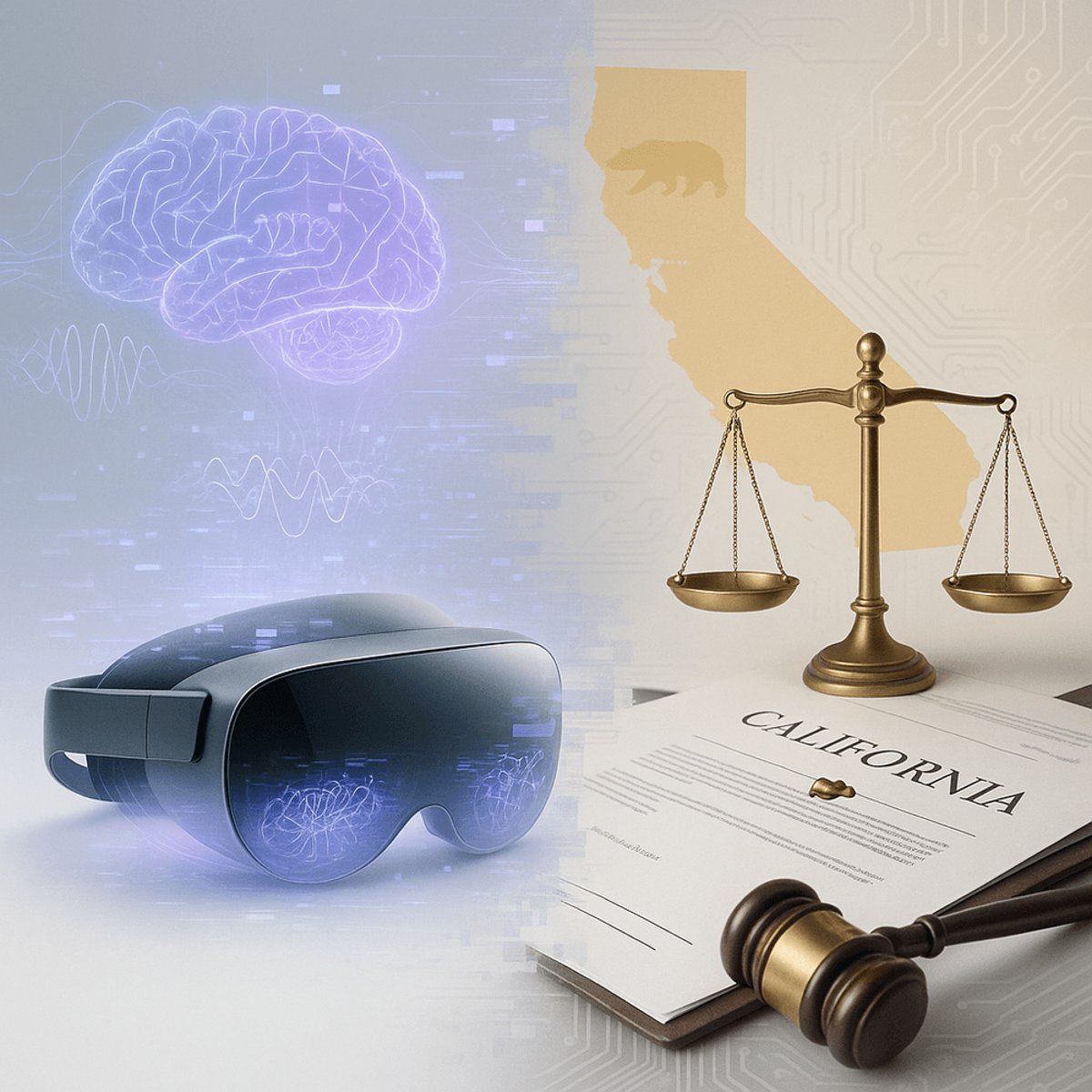
While Meta grappled with demo gremlins, California lawmakers were busy reshaping the regulatory landscape for AI companies. The state passed SB-53, comprehensive AI safety legislation that could force major tech companies to implement new safeguards and testing protocols. The bill now sits on Governor Gavin Newsom's desk, where he could still veto it despite bipartisan support.
The timing isn't coincidental. California's move comes as federal AI regulation remains largely stalled, leaving states to fill the void. The legislation would require AI companies to conduct safety testing, implement kill switches for problematic models, and report incidents to state authorities - measures that Big Tech has historically resisted.
Waymo, meanwhile, is taking a more practical approach to the future. The Alphabet subsidiary announced a partnership with Lyft to bring robotaxis to Nashville, marking another step in the gradual expansion of autonomous vehicle services. Unlike the flashy promises of full self-driving cars everywhere, Waymo's strategy focuses on city-by-city rollouts in carefully mapped areas.
The Nashville launch reflects a broader shift in the AV industry toward sustainable business models. After years of cash-burning pilot programs, companies like Waymo are finally focusing on routes and cities where autonomous vehicles can generate actual revenue. The partnership with Lyft provides instant access to an established ride-hailing network, avoiding the chicken-and-egg problem of building customer bases from scratch.
But perhaps the week's most telling development was Jack Altman's lightning-fast fundraise. The younger Altman brother - yes, OpenAI CEO Sam Altman's sibling - raised $275 million for his early-stage fund in just seven days. The speed of the raise speaks to both the continued flood of capital into AI investments and the growing influence of the Altman family across Silicon Valley's power structure.
The fundraising frenzy comes as investors are increasingly calling this the "golden age of robotics." Advances in AI, particularly large language models, are finally making robots more capable of understanding and responding to complex instructions. Companies like Tesla with its Optimus humanoid robot and countless robotics startups are attracting massive investment rounds.
Yet the disconnect between hype and reality remains stark. Meta's demo difficulties at Connect serve as a reminder that even the most well-funded tech giants struggle to make breakthrough technologies work reliably. The company's $13.7 billion Reality Labs loss in 2023 shows the enormous cost of betting on unproven tech.
This tension between ambition and execution is playing out across the entire tech industry. While AI capabilities advance rapidly, translating those advances into products that work consistently for millions of users remains extraordinarily difficult. California's new AI safety legislation acknowledges this reality, requiring companies to prove their systems are safe before deploying them at scale.
The regulatory push also reflects growing awareness that the stakes are getting higher. As AI systems become more capable and pervasive, the potential for unintended consequences grows. Meta's AR ambitions, Waymo's robotaxis, and the broader robotics boom all represent technologies that could reshape daily life - if they can actually deliver on their promises.
The week's developments highlight tech's eternal struggle between vision and execution. While Meta pushes AR boundaries and Waymo methodically expands robotaxis, California's regulatory response suggests lawmakers are done waiting for the industry to self-regulate. The gap between demo day promises and real-world delivery remains as wide as ever, but with billions in funding and increasing regulatory scrutiny, companies are being forced to prove their technologies actually work - not just in controlled environments, but in the messy reality where the rest of us live.