Meta just cranked up its AI infrastructure bet by a factor of six. The company's announcing it'll pour $10 billion into a massive data center complex in El Paso, Texas - up from an initial $1.5 billion commitment. It's the latest sign that tech giants aren't backing down from the capital-intensive race to dominate AI, even as Wall Street questions how sustainable these spending sprees really are.
Meta is making one of its boldest infrastructure bets yet, and it's happening in an unlikely place. The social media giant just announced it's scaling up its El Paso, Texas data center project to a staggering $10 billion investment - a sixfold increase from the $1.5 billion originally committed. The move underscores how serious Meta is about competing in the AI infrastructure race, even as investors question whether these massive capital outlays will ever deliver returns.
The West Texas facility represents more than just expansion. It's a strategic play in Meta's broader AI ambitions, designed to handle the enormous computational demands of training and running large language models at scale. The data center will reportedly support Meta's development of next-generation AI products, from more sophisticated versions of Meta AI to enhanced content recommendation systems across Facebook, Instagram, and WhatsApp.
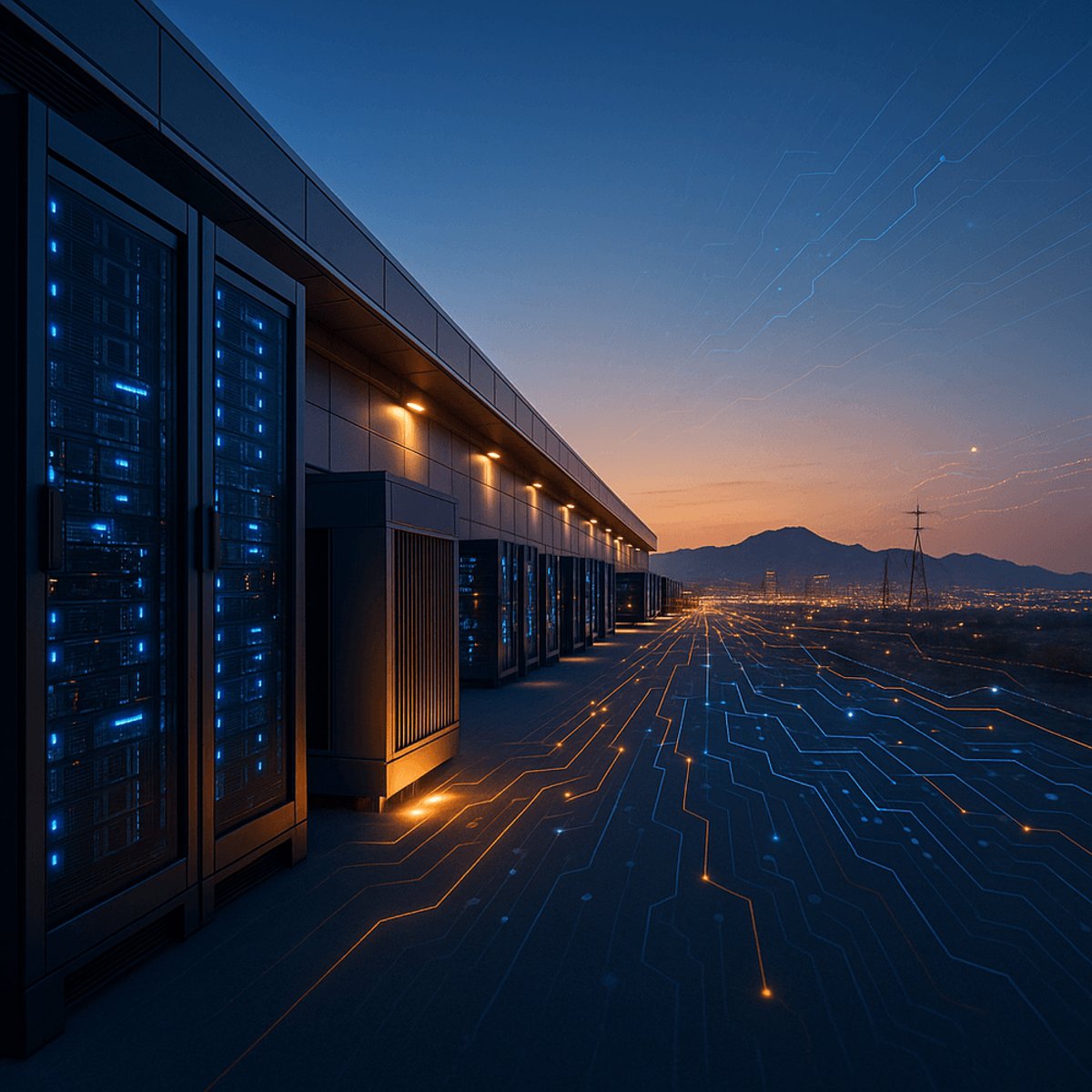
El Paso wasn't chosen by accident. The region offers something increasingly precious in the data center world - abundant, relatively affordable electricity and land. As AI workloads push power requirements into the gigawatt range, location decisions increasingly hinge on energy access rather than proximity to users. Meta's expanded commitment suggests the company's locked in favorable power purchase agreements that make the economics work, even at this unprecedented scale.
The timing is telling. Meta's capital expenditure guidance has been climbing steadily, with the company previously signaling it would spend upwards of $60-65 billion on infrastructure in 2026. This El Paso expansion fits squarely into that trajectory, but it also reveals something more - Meta isn't planning to slow down. While some analysts have called for tech companies to demonstrate more discipline with AI spending, Mark Zuckerberg appears to be betting that infrastructure leadership today translates to competitive advantage tomorrow.
The $8.5 billion increase puts Meta in direct competition with Microsoft, Amazon, and Google, all of whom are racing to build out AI-ready data center capacity. Microsoft recently committed to similar multi-billion dollar facilities to support its partnership with OpenAI, while Amazon's AWS division continues expanding its infrastructure footprint to meet surging demand for AI compute.
But there's a darker undercurrent to this spending spree. The data center industry is already straining electrical grids across the U.S., and environmental groups are raising alarms about the carbon footprint of AI training. A $10 billion facility in West Texas will consume enormous amounts of power - likely well over 1 gigawatt once fully operational. That's enough to power hundreds of thousands of homes, all dedicated to training algorithms and serving AI responses.
For El Paso and the surrounding region, the investment means jobs and economic development. Large-scale data centers typically employ hundreds of workers directly and generate thousands of indirect jobs through construction and ongoing operations. Local officials have likely offered tax incentives and infrastructure support to secure the deal, though specific terms haven't been disclosed.
What this really signals is that Meta sees AI infrastructure as non-negotiable. The company can't afford to fall behind Google in search, Microsoft in productivity tools, or OpenAI in consumer AI products. Building out massive data center capacity now means Meta won't be constrained by compute availability when the next breakthrough arrives. It's an insurance policy against obsolescence, paid for in billions of upfront capital.
The West Texas expansion also reveals Meta's longer-term strategy - owning the full stack. Rather than relying on cloud providers or third-party infrastructure, Meta is building proprietary data centers optimized specifically for its AI workloads. That vertical integration could pay dividends if Meta can extract better performance per dollar than competitors relying on more generalized infrastructure.
Investors will be watching closely. Meta's stock has been volatile as the market tries to price in both the promise of AI and the staggering costs required to compete. The El Paso announcement won't ease those concerns in the short term, but it does send a clear message about Zuckerberg's conviction. He's betting the company's future on being an AI infrastructure leader, not a follower.
Meta's decision to supercharge its El Paso investment from $1.5 billion to $10 billion isn't just about building data centers - it's about securing the infrastructure foundation that could determine who wins the next decade of computing. While the immediate cost is enormous and the returns remain uncertain, Zuckerberg is making a calculated bet that AI leadership requires infrastructure ownership at massive scale. For competitors, the message is clear: the ante to stay in the AI game just went up considerably. And for investors, the question remains whether these multi-billion dollar bets will ultimately generate profits that justify the spend, or whether we're watching the tech industry collectively overbuild for a future that may not materialize as quickly as hoped.