Microsoft just made its biggest Linux embrace yet. At its Build developer conference today, the company unveiled a developer-optimized Windows 11 experience that bundles native Linux container support, command-line utilities, and an experimental AI-powered terminal. It's a stunning reversal for a company that once called open-source software a threat, now betting that winning over developers means meeting them where they actually work.
Microsoft is making a bold play for developers, and it's doing so by doubling down on the operating system it once tried to kill. At Build 2026, the company unveiled a developer-optimized Windows 11 experience that embraces Linux more deeply than ever before, bundling native container support, command-line utilities, and AI-powered tools into a streamlined package designed to make Windows feel less like a compromise.
The announcement comes as Microsoft continues its yearslong campaign to win back developers who've migrated to macOS or Linux-based systems. "We have optimized the Windows 11 experience for developers, bringing frequently used command line utilities, a familiar comfort shell, faster setup experience, a built-in way to create and interact with Linux containers on Windows and a new experimental Intelligent Terminal," the Windows chief explained in a blog post timed to the Build keynote.
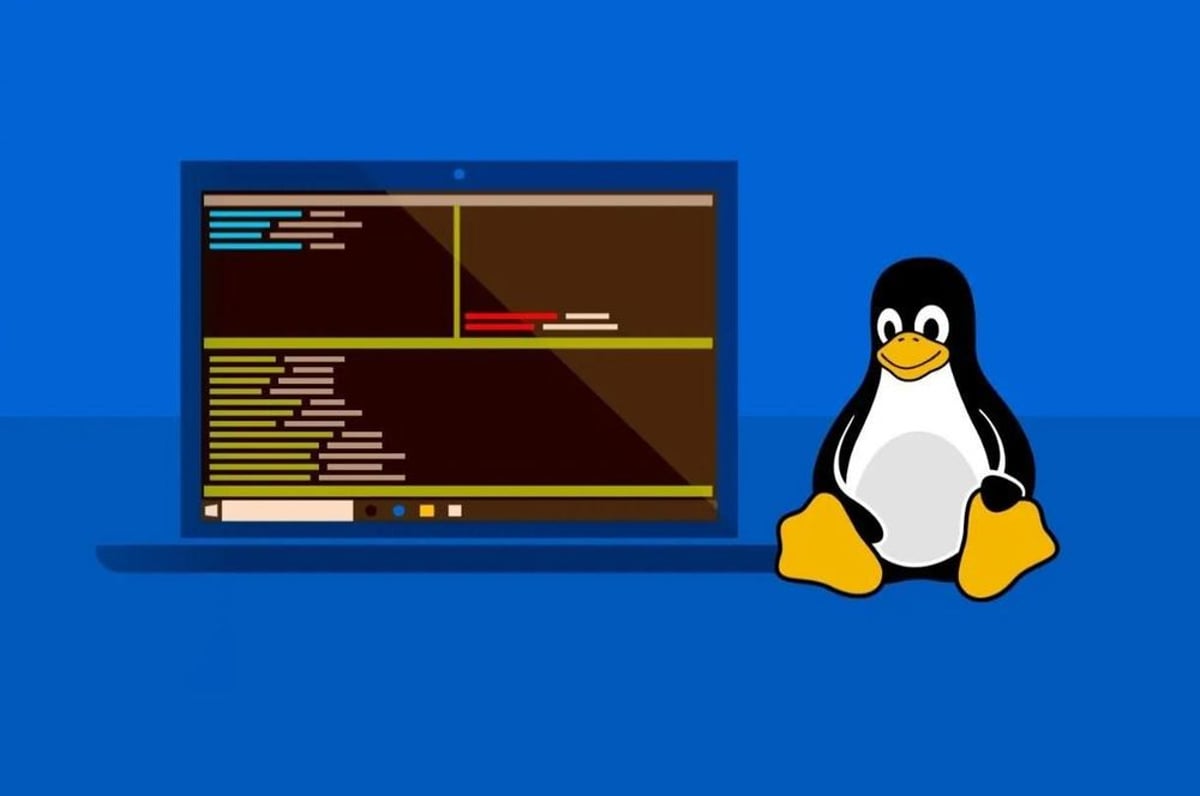
The centerpiece is native Linux container support, eliminating the need for third-party tools or virtual machines that have historically slowed Windows development workflows. Developers can now spin up containerized environments directly within Windows 11, accessing the same toolchains and dependencies they'd use on Linux servers without the performance overhead. It's a continuation of the Windows Subsystem for Linux strategy but taken several steps further.
But Microsoft isn't stopping at containers. The developer-optimized experience bundles a curated set of command-line utilities that Linux and macOS developers take for granted, plus what the company calls a "familiar comfort shell" that mimics the terminal environments developers already know. The goal is to reduce the friction of setting up a new Windows machine from hours to minutes, a pain point that's driven countless developers to competitor platforms.
The experimental Intelligent Terminal represents Microsoft's attempt to inject AI into the development workflow. While details remain sparse, the tool appears designed to surface contextual suggestions, automate repetitive tasks, and help developers navigate complex command structures without constantly consulting documentation. It's classic Microsoft in 2026, wedging AI into every product surface area whether developers asked for it or not.
This latest Linux embrace marks a remarkable evolution for a company whose former CEO once called open-source software a "cancer." Under current leadership, Microsoft has become one of the largest contributors to open-source projects, acquired GitHub, and now positions Windows as the best place to run Linux workloads. The strategy has paid dividends, with the company's developer tools and cloud infrastructure businesses growing even as traditional Windows licensing revenue plateaus.
The timing is strategic. As Apple continues to dominate developer mindshare with its M-series chips and Unix-based macOS, and as cloud-native development increasingly happens on Linux servers, Microsoft risks becoming irrelevant in the developer ecosystem. These moves position Windows not as an alternative to Linux but as the best Windows to run Linux on, a semantic pretzel that somehow makes business sense.
The developer-optimized experience also ties into Microsoft's broader Windows 11 quality initiative, which has focused on performance and reliability improvements after years of user complaints about buggy updates and inconsistent experiences. By creating a specialized developer SKU or mode, Microsoft can optimize for the workflows and tools that matter most to this critical audience without compromising the consumer experience.
What remains unclear is how this developer-optimized experience will be packaged and distributed. Is it a separate Windows 11 edition? A configuration profile? A bundle of apps available through the Microsoft Store? The company hasn't detailed pricing or availability, though the Build timing suggests developer previews will roll out in the coming months.
Competitors aren't standing still. Apple continues to refine its developer tools ecosystem, while various Linux distributions have made desktop experiences increasingly polished. Google has quietly improved Chrome OS's Linux container support for developers. Microsoft's advantage lies in its existing enterprise relationships and the reality that many corporate developers still work on Windows machines whether they prefer to or not.
Microsoft's developer-optimized Windows 11 represents a pragmatic acknowledgment that modern development happens in Linux environments, even when the underlying OS is Windows. By embedding native container support, familiar tooling, and AI assistance directly into the operating system, the company is betting it can reclaim developer mindshare lost to macOS and pure Linux systems over the past decade. Whether developers who've already made the switch will return remains the open question, but for enterprise developers stuck on Windows, this could make their daily workflows considerably less painful. The real test comes when these tools ship beyond Build demos and into production environments.