Microsoft is taking direct legal action to support Anthropic, advocating for a temporary restraining order against the Pentagon's controversial supply chain risk designation. The move marks a major escalation in the showdown between big tech and the Department of Defense, with Microsoft putting its weight behind the AI startup that powers some of its enterprise services. The intervention signals how deeply Pentagon procurement decisions now ripple through the commercial AI ecosystem.
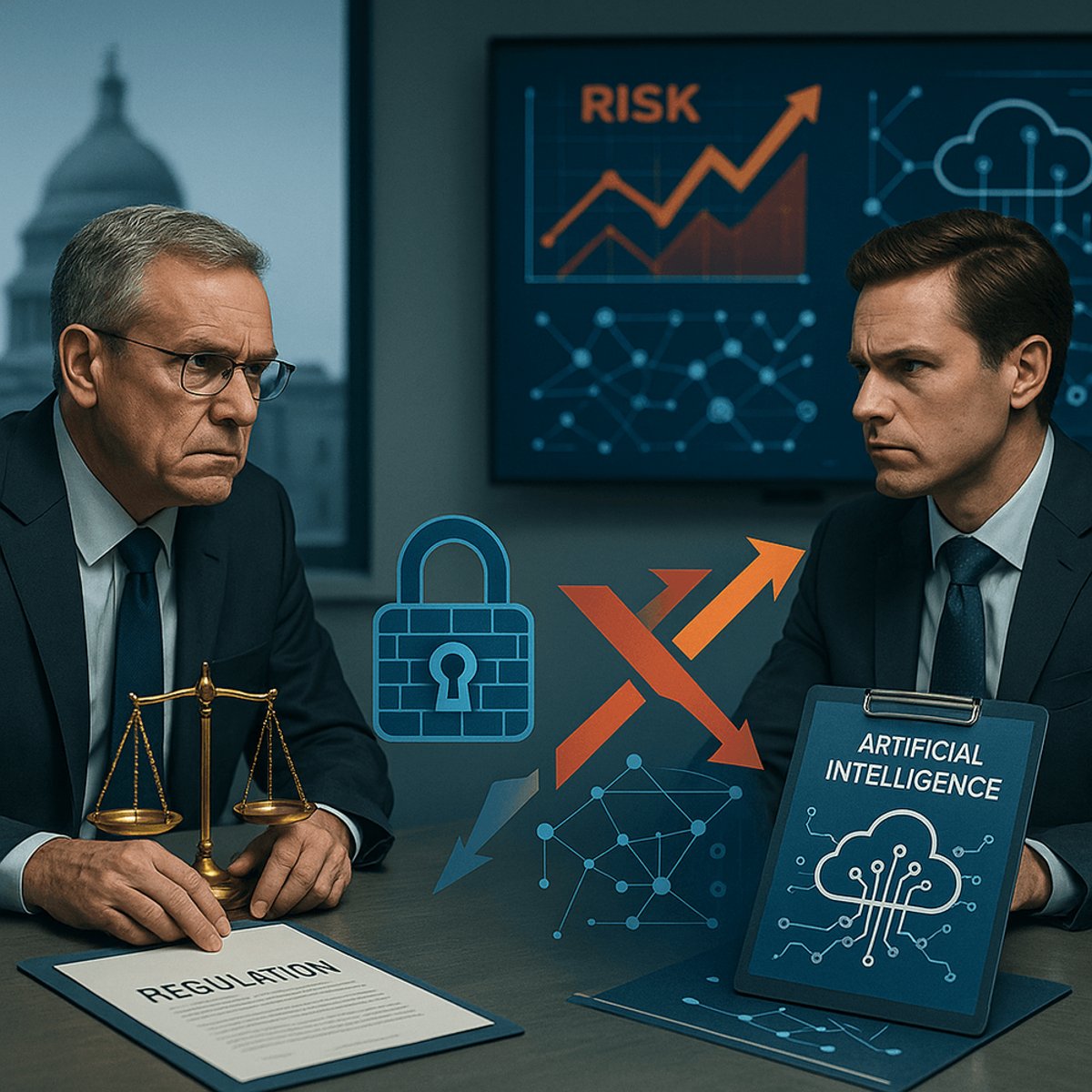
Microsoft just threw down the gauntlet in defense of Anthropic. The tech giant is formally advocating for a temporary restraining order to block the Pentagon's supply chain risk designation, according to court filings reported by CNBC. It's a bold move that puts one of the world's largest tech companies squarely at odds with the Department of Defense.
The designation effectively blacklists Anthropic from Pentagon contracts, citing unspecified supply chain security concerns. But for Microsoft, this isn't just about defending a partner - it's about protecting a critical piece of its enterprise AI strategy. The Redmond giant has woven Anthropic's Claude models into various business products, and a Pentagon ban sends ripples far beyond defense procurement.
Microsoft's legal push comes as the AI industry rallies around Anthropic. Multiple tech companies have voiced concerns that the Pentagon's move sets a dangerous precedent, potentially weaponizing security reviews to pick winners and losers in the AI race. The restraining order request suggests Microsoft believes the designation was made without proper process or adequate evidence.
What makes this particularly thorny is the timing. OpenAI, Microsoft's other major AI partner, hasn't faced similar scrutiny despite receiving significant backing from the company. That inconsistency has raised eyebrows across the industry, with some suggesting competitive dynamics might be influencing government decision-making.
The commercial stakes are massive. Enterprise customers - especially those with government contracts or security clearances - now face uncertainty about using Anthropic-powered tools. Microsoft's Azure cloud platform offers Claude through its AI services, and corporate clients are already asking questions about compliance and risk exposure.
Anthropic has maintained it operates with rigorous security protocols and has no ties to foreign adversaries. The startup, founded by former OpenAI executives, has positioned itself as the safety-focused alternative in the AI arms race. A Pentagon blacklist undermines that carefully cultivated image and threatens partnerships beyond just Microsoft.
Legal experts say temporary restraining orders in cases involving national security designations are notoriously difficult to obtain. Courts typically defer to agency expertise on security matters, and the government often invokes classified information that defendants can't effectively challenge. Microsoft will need to prove immediate and irreparable harm - a high bar in proceedings that could drag on for months.
The broader context here is a government struggling to regulate AI while maintaining technological edge. The Pentagon wants to leverage cutting-edge AI without compromising security, but its tools for assessing risk were built for traditional defense contractors. Applying those frameworks to fast-moving AI startups with complex corporate structures and global talent pools creates friction.
For Microsoft, this is also about defending the multi-billion dollar bet it's placed on AI infrastructure. The company has invested heavily in both OpenAI and Anthropic partnerships, hedging its position in the generative AI market. A successful Pentagon blacklist could encourage other agencies or foreign governments to follow suit, fragmenting the AI ecosystem Microsoft is trying to unify under Azure.
Industry insiders say Microsoft's willingness to challenge the Pentagon publicly shows how serious the threat is perceived. Tech companies usually prefer quiet lobbying to courtroom confrontations with defense agencies. The fact that Microsoft is going loud suggests backroom negotiations failed and the company sees existential risk to its AI strategy.
What happens next depends on how quickly a judge moves and what evidence the Pentagon can present. If Microsoft succeeds in getting a temporary restraining order, it buys time for a full legal challenge. If the request is denied, expect other tech companies to recalibrate their own AI partnerships based on perceived government risk.
Microsoft's legal intervention transforms this from an Anthropic problem into an industry-wide confrontation over how government security reviews impact commercial AI. If the Pentagon's designation stands, every tech company with AI partnerships will need to factor in regulatory risk that could materialize overnight without clear warning. But if Microsoft prevails, it establishes that companies can successfully challenge these designations and forces the government to develop more transparent processes. Either way, the collision between national security priorities and commercial AI ambitions just became impossible to ignore. The temporary restraining order request is just the opening salvo in what's shaping up to be a defining legal battle for the AI era.