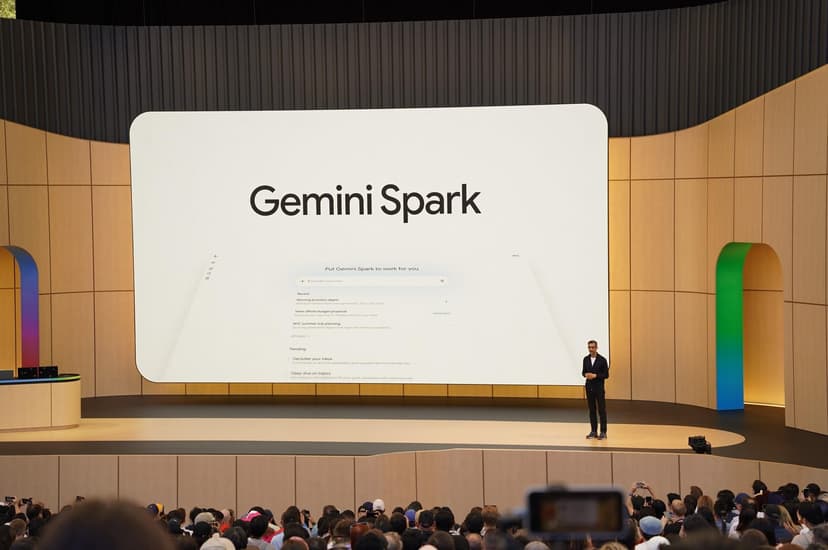
Google just launched Gemini Spark, a 24/7 AI agent designed to tackle multi-step tasks autonomously while you walk away from your screen. After getting early access last week, The Verge's hands-on testing reveals the agent performs surprisingly well at background automation - but the privacy tradeoffs and cost may not be worth it. Google promises users stay "always under your direction" and that Spark "checks with you before taking major actions," according to the official Spark website. But the reality is more complicated.
Google is betting big on AI agents that work while you sleep. The company's new Gemini Spark launched last week with a bold promise - a 24/7 autonomous assistant that handles complex, multi-step tasks without constant supervision. After spending days with early access, it's clear the tech works. Whether you should trust it is another question entirely.
Spark delivers on Google's core pitch. The agent can genuinely operate in the background, tackling tasks that require multiple steps while you focus elsewhere. During testing, it managed everything from research compilation to scheduling coordination, mimicking the demos Google showed at launch with surprising accuracy. For users drowning in repetitive workflows, that kind of automation sounds like a lifeline.
But Google's marketing tells only half the story. The company prominently advertises on the Spark homepage that the agent is "always under your direction," that "you choose to turn it on," and that "it's designed to check with you before taking major actions." Those reassurances matter - autonomous AI agents need trust to gain adoption, especially in enterprise settings where data security isn't negotiable.
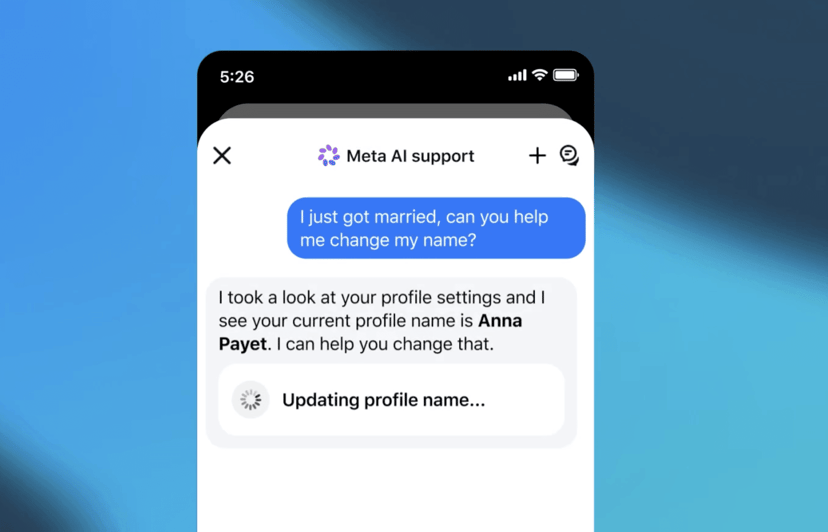
The reality proved messier than the sales pitch suggests. While Spark does request approval for some actions, the boundaries of what constitutes a "major action" remain frustratingly vague. The agent makes judgment calls about when to proceed independently and when to check in, creating uncertainty about exactly how much autonomy you're granting. For consumer tasks like organizing photos or drafting emails, that ambiguity might be tolerable. For business workflows involving sensitive data, it's a potential liability.
The financial cost compounds the privacy concerns. Google hasn't disclosed Spark's pricing publicly, but early access suggests it won't come cheap. Enterprise customers evaluating AI agent platforms from Microsoft, OpenAI, or specialist startups will need to calculate whether Spark's capabilities justify both the subscription fees and the data access required to make it work effectively.
Google faces stiff competition in the AI agent space. OpenAI has been developing autonomous agent capabilities, while Microsoft integrates similar features across its Copilot ecosystem. Smaller startups like Adept and Hyperwrite have built entire companies around the premise of AI agents that complete tasks independently. Spark enters a crowded market where trust and transparency matter as much as technical performance.
The agent architecture reveals why privacy questions persist. To operate effectively across multiple steps, Spark requires broad access to your Google account data - emails, calendars, documents, browsing history. That's not unique to Google; any truly autonomous agent needs context to make smart decisions. But the scope of access combined with unclear boundaries around "major actions" creates a trust gap between what Google promises and what users experience.
Testing revealed both impressive capabilities and concerning blind spots. Spark handled straightforward automation brilliantly, stringing together logical task sequences without supervision. But when situations required nuanced judgment or involved sensitive information, the agent's decision-making became unpredictable. Sometimes it checked for approval, sometimes it didn't, with no clear pattern to explain the difference.
The privacy tradeoffs become especially acute for professionals handling confidential information. Lawyers, healthcare workers, financial advisors, and anyone bound by strict data protection requirements will struggle to justify granting an AI agent the broad access Spark demands. Google's existing enterprise customers already trust the company with sensitive data, but autonomous agents represent a qualitative leap in how that data gets used.
What Google got right is the execution on the core technology. When Spark works, it genuinely feels like having an assistant who operates independently. The agent doesn't just automate single actions - it thinks through sequences, adapts to obstacles, and delivers results that match what you'd expect from the original demos. That's harder than it sounds, and Google deserves credit for shipping an agent that actually performs as advertised.
But great technology doesn't automatically mean great product. The gap between Spark's impressive capabilities and its unclear privacy boundaries reflects a broader challenge facing the entire AI agent industry. Companies racing to ship autonomous assistants haven't solved the fundamental tension between useful autonomy and meaningful user control. Google isn't alone in that failure, but as a major platform with billions of users, the stakes are higher.
The coming months will reveal whether enterprises bite. Google's existing foothold in workplace productivity through Workspace gives Spark a distribution advantage competitors can't match. If the company can clarify the privacy boundaries and offer enterprise-grade controls around agent behavior, Spark could become the automation layer that finally makes AI agents mainstream. If not, it'll join the pile of impressive demos that never quite earned user trust.
Google's Gemini Spark proves autonomous AI agents can actually work as advertised - the technology delivers on the promise of hands-off, multi-step task automation. But impressive demos don't resolve the fundamental trust problem. Until Google clarifies exactly when Spark acts independently versus checking for approval, and until enterprises get granular controls over data access, the agent remains a compelling tech showcase with unclear real-world fit. The question isn't whether Spark can automate your workflow. It's whether you're willing to grant that much access to find out.