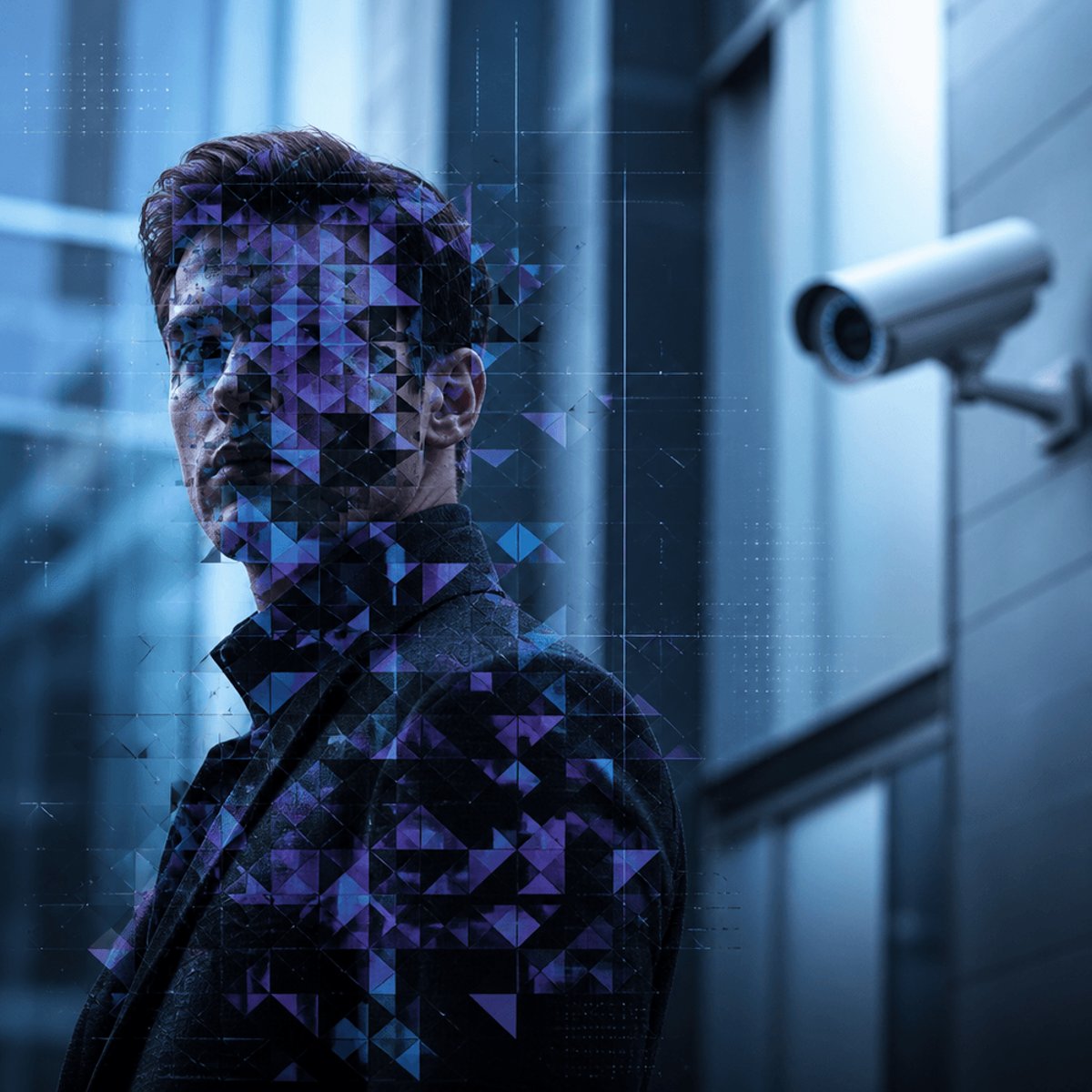
A security researcher just cracked one of AI surveillance's biggest vulnerabilities. The breakthrough algorithm generates computer-generated patterns that can hide people, faces, and vehicles from detection by surveillance cameras - essentially creating an invisibility cloak against the AI systems watching our streets, stores, and public spaces. It's a development that could reshape the balance between privacy rights and pervasive monitoring.
A security researcher has developed what might be surveillance technology's worst nightmare - an algorithm that generates patterns capable of fooling AI-powered cameras into not seeing what's right in front of them.
The breakthrough centers on adversarial patterns, carefully crafted designs that exploit how computer vision systems process visual information. When applied to clothing, vehicles, or other surfaces, these patterns essentially jam the neural networks that power modern surveillance infrastructure, according to TechCrunch. The cameras keep recording, but their AI brains can't make sense of what they're seeing.
This isn't the first attempt at beating facial recognition systems. Previous efforts involved specialized makeup, reflective glasses, or carefully designed clothing patterns. But those required manual design and often worked only against specific camera systems. The new algorithm automates the process, generating patterns optimized to fool a wider range of detection systems - from facial recognition to vehicle tracking to general person detection.
The timing couldn't be more charged. Cities worldwide are deploying AI surveillance at breakneck speed, with the global facial recognition market expected to hit $15.6 billion by 2030. Amazon, Microsoft, and others have faced intense scrutiny over selling recognition technology to law enforcement, while Meta recently reintroduced facial recognition features after years of privacy backlash.
Adversarial machine learning has been a known vulnerability in AI systems since researchers first demonstrated they could fool image classifiers by adding imperceptible noise to photos. Add the right pixels to a stop sign image, and suddenly Google's state-of-the-art vision AI thinks it's looking at a speed limit sign. But translating that from digital attacks on image files to physical patterns that work in the real world has proven far more difficult.
The physical world introduces complications that don't exist in purely digital attacks. Lighting changes throughout the day. Cameras capture subjects from multiple angles. People move, creating motion blur. Clothes wrinkle and fold. Each variable gives the AI system another chance to correctly identify what it's seeing. Creating patterns that remain effective across all these conditions requires sophisticated optimization.
What makes this development particularly significant is its potential dual use. Privacy advocates see it as a tool for protecting civil liberties in an era of pervasive surveillance. Protesters in Hong Kong, Myanmar, and elsewhere have sought ways to avoid identification by authoritarian regimes deploying Chinese surveillance technology. Meanwhile, law enforcement and security professionals worry about criminals using the same techniques to evade detection at airports, banks, or other sensitive locations.
The cat-and-mouse game between adversarial attacks and defenses has defined AI security for years. Researchers develop new attack methods, companies patch their systems, then researchers find new vulnerabilities. OpenAI, Google, and Microsoft all maintain red teams specifically focused on finding and fixing these kinds of exploits in their AI systems.
But surveillance systems present a unique challenge. Unlike chatbots or image generators that companies can update overnight, camera systems are physical infrastructure. Cities can't simply patch millions of cameras the way Apple pushes iOS updates. Once adversarial patterns prove effective against deployed systems, those vulnerabilities could persist for years until hardware gets replaced.
The research also raises thorny questions about publication and responsible disclosure. Cybersecurity researchers typically follow protocols for reporting vulnerabilities to affected companies before going public. But when the "vulnerability" exists across an entire industry's worth of products, and when some view that vulnerability as a feature protecting privacy rather than a bug, the ethics get murky fast.
Surveillance companies will almost certainly respond by training their systems on examples of adversarial patterns, teaching the AI to recognize and compensate for them. That sets up an arms race where pattern designers and detection systems continually try to outsmart each other. Nvidia's latest AI chips and Google's TPUs provide the computational horsepower to retrain massive vision models, but deploying those updates to millions of cameras remains logistically complex.
The broader implications extend beyond just facial recognition. Autonomous vehicles from Tesla and others rely on similar computer vision systems to detect pedestrians, other cars, and road signs. If adversarial patterns can fool surveillance cameras, could they also fool self-driving systems? That question has kept autonomous vehicle safety researchers up at night for years, though the patterns that work against stationary surveillance cameras may not translate directly to systems designed for dynamic driving environments.
This algorithm represents more than just a clever technical hack - it's a tangible tool in the escalating struggle over who controls visibility in public spaces. As AI surveillance becomes ubiquitous infrastructure rather than science fiction, technologies that let individuals opt out of constant monitoring will only grow more valuable and more contentious. The question isn't whether surveillance companies will adapt their systems to counter these patterns, but how quickly, and whether the arms race will ultimately favor the watchers or the watched. For now, at least, the pendulum has swung toward privacy.