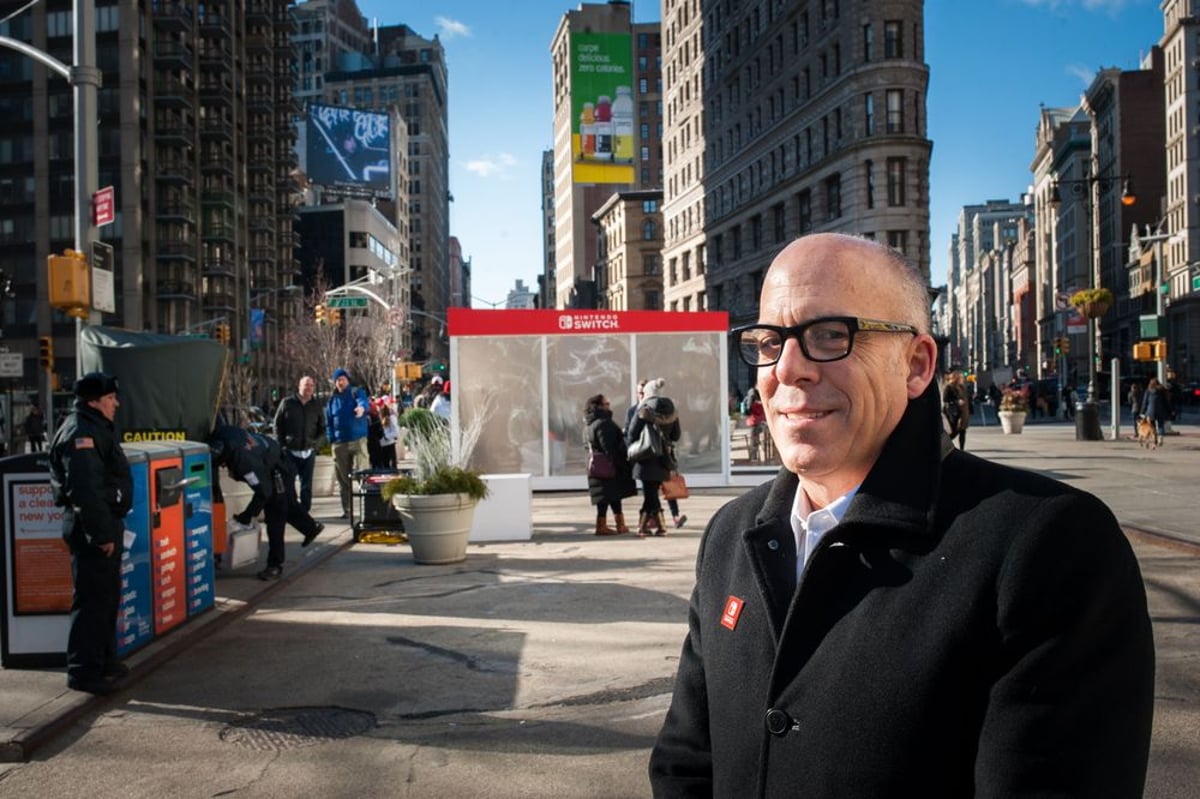
Nintendo just announced a major leadership shakeup that ends an era in American gaming. Doug Bowser, the aptly named president who's led Nintendo of America since 2019, is retiring at year's end. His departure closes the book on six transformative years that saw the company expand far beyond consoles into theme parks and blockbuster movies.
The gaming world just lost one of its most recognizable figures. Nintendo confirmed today that Doug Bowser - yes, that's really his name - will step down as president of Nintendo of America on December 31st after six years at the helm. The timing couldn't be more symbolic: Bowser's exit comes just as Nintendo has transformed from a traditional console maker into a full-blown entertainment empire.
The succession plan reveals Nintendo's strategic thinking about its American operations. Devon Pritchard, who's been grinding away as executive vice president since joining the company in 2006, gets promoted to president. But here's the interesting part - Nintendo's also installing Satoru Shibata as CEO, a role that didn't exist before. Shibata, currently a managing executive officer at Nintendo's Kyoto headquarters, will keep his Japan duties while overseeing the American arm. It's a clear signal that Nintendo wants tighter integration between its Japanese brain trust and American market execution.
Bowser's tenure coincided with one of Nintendo's most successful periods ever. When he took over from the legendary Reggie Fils-Aimé in 2019, the Switch was already a hit, but Bowser shepherded the company through its most ambitious expansion yet. Under his watch, Nintendo didn't just sell consoles - they built theme park attractions at Universal Studios, produced the highest-grossing video game movie of all time with "The Super Mario Bros. Movie," and recently launched the highly anticipated Switch 2.
"One of my earliest video game experiences was playing the arcade version of Donkey Kong," Bowser said in his farewell statement. "Since that time, all things Nintendo have continued to be a passion for both me and my family. Leading Nintendo of America has been the honor of a lifetime." The personal touch isn't surprising - Bowser's always been more accessible than typical gaming executives, regularly appearing in Nintendo Direct presentations and maintaining an active social media presence.
The numbers tell Bowser's success story. Nintendo's American operations flourished during his presidency, with the Switch becoming the third best-selling console in U.S. history. The company's stock price more than doubled during his tenure, driven partly by pandemic gaming booms but also by strategic diversification into new revenue streams. Theme park partnerships with Universal brought Mario and friends into physical spaces, while the Chris Pratt-voiced Mario movie earned over $1.3 billion worldwide.
Pritchard's promotion from within suggests continuity rather than revolution. She's been Bowser's right hand through the expansion years, overseeing marketing campaigns that made Nintendo cool again with both nostalgic millennials and Gen Z gamers. "Doug has been a fantastic mentor, and I look forward to building on the incredible foundation he has helped establish," Pritchard said in a statement.
But adding Shibata as CEO tells a different story about Nintendo's evolving structure. The company's been quietly centralizing decision-making back in Japan while giving regional offices more operational freedom. Shibata's dual role suggests Nintendo wants someone who understands both the Japanese corporate culture and American market dynamics. It's particularly crucial as the company navigates potential tariff changes and supply chain challenges that could affect Switch 2 pricing.
The gaming industry reacted swiftly to the news, with competitors and partners posting tributes to Bowser's leadership. His departure leaves a gap in an industry that's increasingly dominated by faceless corporate entities. Unlike many gaming executives who stay behind the scenes, Bowser became a genuine personality - someone gamers actually recognized and respected.
Timing matters here too. Bowser's stepping down just as Nintendo enters a critical phase with Switch 2's launch. The new console needs to match its predecessor's success while competing against more powerful rivals and changing gaming habits. Having fresh leadership might actually help Nintendo approach these challenges with new perspectives, especially as Pritchard brings her own relationships and strategic vision to the role.
Bowser's retirement marks the end of an era where Nintendo successfully expanded beyond gaming into a broader entertainment company. While his departure creates uncertainty, the internal promotion of Pritchard paired with Shibata's oversight suggests Nintendo's betting on continuity with fresh energy. As the Switch 2 generation begins, the real test will be whether this new leadership can maintain Nintendo's momentum while navigating an increasingly complex entertainment landscape. For now, the company that made Bowser a household name is trusting new hands to write its next chapter.