Samsung just launched a comprehensive accessibility push that goes far beyond corporate PR. The tech giant's employees are hitting the streets to map wheelchair ramps and elevator access while building AI tools designed for users with disabilities. With 8,660 employees already participating in disability awareness programs and a subsidiary employing 420 people with developmental disabilities, Samsung's betting that inclusive design isn't just good ethics - it's good business in an aging global market.
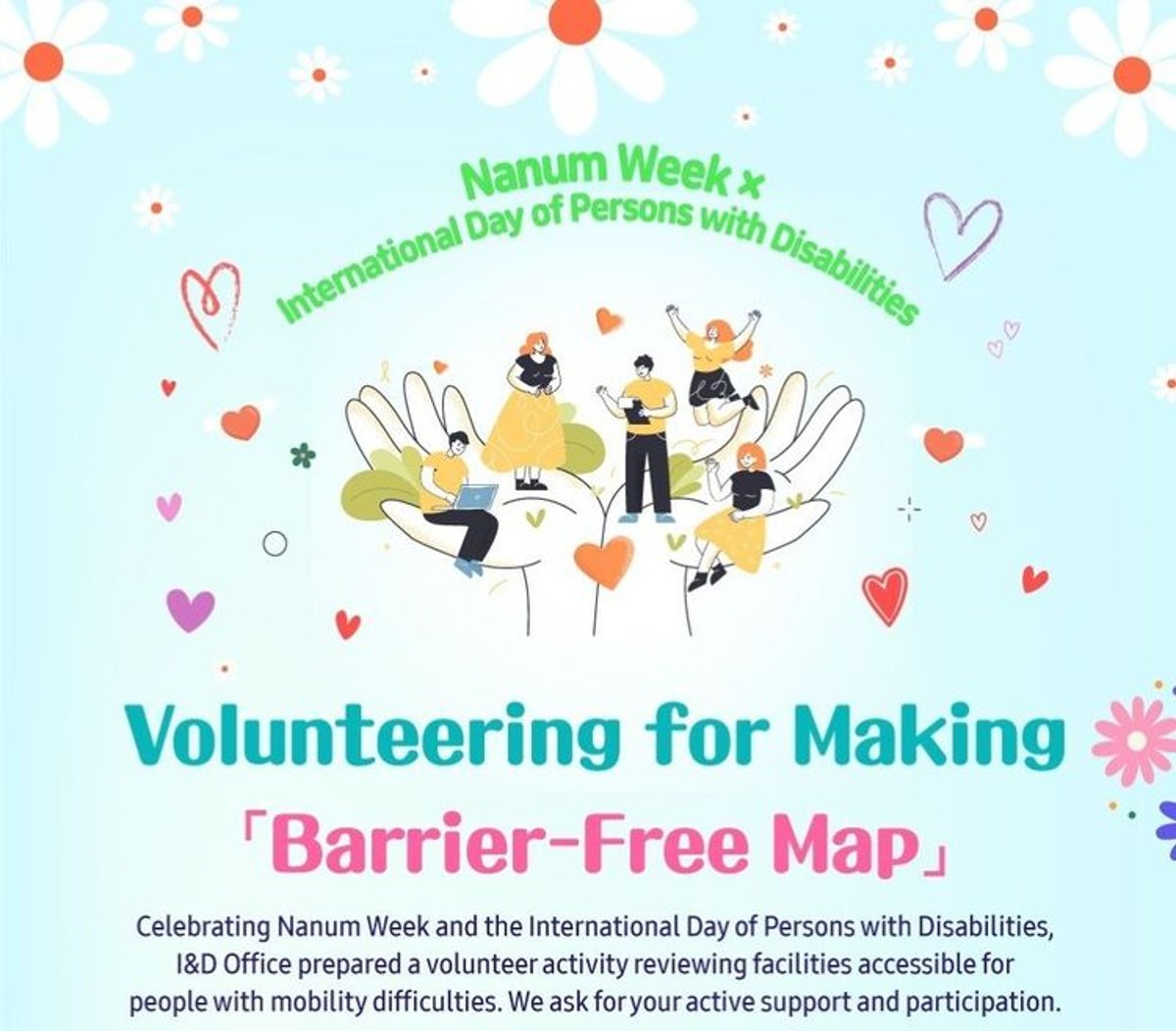
Samsung is turning International Day of Persons with Disabilities into something more than a calendar moment. The company just kicked off a barrier-free mapping initiative that sends employees into Seoul neighborhoods with smartphones and clipboards, documenting every curb cut, ramp, and elevator that could make or break someone's daily commute.
Running through December 19, the program expands on a pilot that started in Samsung's Device Solutions division last year. Now the Device eXperience team is joining in, with volunteers like Seongmi Lee from the Mobile eXperience division bringing personal motivation. "My grandmother uses a wheelchair, and our family has often struggled when going out to eat," Lee told Samsung Newsroom. "I hope this initiative helps make everyday mobility a little easier for others in similar situations."
But Samsung's accessibility play runs much deeper than weekend volunteer work. The company operates Stellar Forest, a subsidiary that's become Korea's unlikely success story in disability employment. Launched in 2023, the facility now employs 420 people with developmental disabilities across two divisions - one producing cookies and financiers, another creating pop-up cards and books. In September, it earned certification as one of Korea's top employers for job creation.
Young Hyun Jun, CEO and Vice Chairman of Samsung's DS Division, visited Stellar Forest in November, emphasizing the company's commitment to creating workplaces "where everyone can work and grow freely, without bias or discrimination." The visit wasn't just ceremonial - Samsung employees run monthly activities for Stellar Forest workers, from badminton tournaments to cooking classes.
The human element extends to Samsung's corporate culture program, which has moved beyond standard diversity training. Instead of PowerPoint presentations, 8,660 employees have attended live performances by artists with disabilities - musicals, classical concerts, and theater productions that one participant called "the most moving training I've experienced since joining the company."
"It inspired me to reflect on whether I had held any unconscious biases about people with disabilities," said another employee who participated in the cultural program, supported by Korea's Employment Agency for Persons with Disabilities.
Samsung's Accessibility Festival Week, now in its third year, expanded to Europe in 2025, bringing together employees from development, design, marketing and sales. The company distributed an AFW toolkit globally, helping teams plan accessibility-focused initiatives around Global Accessibility Awareness Day.
This isn't just about feel-good corporate initiatives. TM Roh, CEO of Samsung's DX Division, is pushing employees to "build AI with openness and inclusion so everyone - with or without disabilities - can communicate freely and live independently in the AI era." Samsung's joining The Valuable 500, a coalition of CEOs committed to disability inclusion, signals the company views accessibility as a competitive advantage in AI development.
The timing makes business sense. As populations age globally and disability representation grows in the workforce, companies building accessible technology from the ground up avoid costly retrofitting later. Samsung's approach of embedding accessibility into design processes from "the earliest planning and UX stages" could give it an edge as regulatory requirements tighten worldwide.
What started as International Day of Persons with Disabilities programming is evolving into Samsung's long-term accessibility strategy, with plans to "embed accessibility and inclusion more deeply into its technologies and organizational culture." For a company competing in AI, smartphones, and smart home devices, designing for disability isn't just corporate responsibility - it's about reaching the broadest possible user base in markets where inclusive design is becoming table stakes.
Samsung's accessibility initiatives reveal a company that's thinking beyond compliance toward competitive advantage. By embedding disability awareness into corporate culture and building inclusive AI from the ground up, Samsung is positioning itself for markets where accessible design isn't optional. The real test will be whether these internal programs translate into products that genuinely serve users with disabilities, not just meet regulatory checkboxes. As AI becomes more central to Samsung's strategy, inclusive design could determine which tech giants lead the next decade.