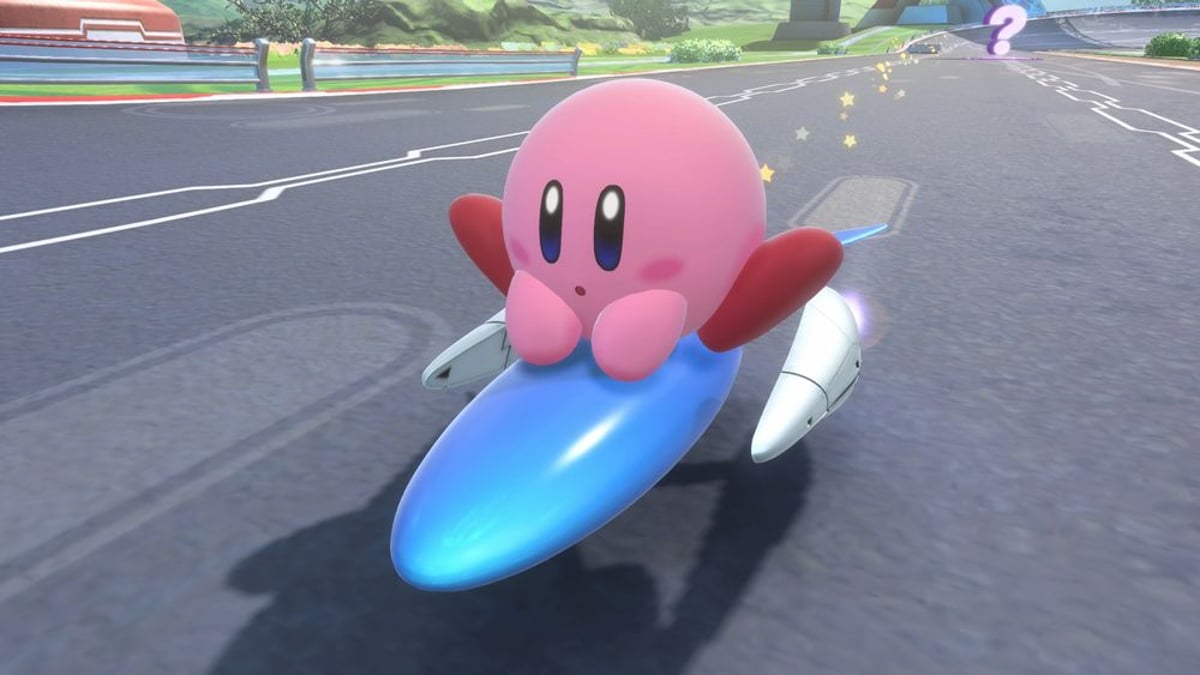
Nintendo just delivered something almost unheard of from the company - a comprehensive accessibility showcase. During yesterday's Nintendo Direct, game director Masahiro Sakurai spent several minutes detailing Kirby Air Riders' impressive suite of accessibility features, marking a rare departure from Nintendo's typically bare-bones approach to inclusive design. The timing couldn't be more significant as this launches alongside the Switch 2.
Nintendo just broke new ground in the most unexpected way. During yesterday's Nintendo Direct presentation, Masahiro Sakurai devoted precious presentation time to something Nintendo rarely discusses publicly - accessibility features. The comprehensive showcase for Kirby Air Riders represents the company's most robust accessibility effort for a first-party title in recent memory.
The feature set reads like a wishlist from disability advocates. Players can remap controls in-game rather than relying solely on system-level options, adjust text size for the Switch 2's smaller undocked screen, and apply colorblind filters. The game supports one-handed play configurations and allows players to save named control profiles for quick switching.
But Sakurai's personal passion project becomes clear when he discusses motion sickness mitigation - something he wanted to implement "no matter what." Players can add onscreen markers of varying thickness and colors, adjust field of view settings, and disable camera shake entirely. The options cascade from granular controls to preset accessibility levels ranging from "none" to "strong."
"It's significant that a tentpole title from the Switch 2's release year takes such a major step," notes The Verge's Geoffrey Bunting. The timing amplifies the message - Nintendo's newest console launches November 20th with at least one game designed for broader player inclusion.
The development traces back to Sakurai's evolving perspective on accessibility. In recent years, he's praised The Last of Us Part II's accessibility features and discussed motion sickness impacts more openly. This personal interest appears to have driven Kirby Air Riders' comprehensive approach.
However, industry watchers remain cautiously optimistic. Nintendo's track record suggests individual developer passion rather than company-wide policy shift. The Switch 2's system-level accessibility improvements initially generated similar excitement, only to see subsequent first-party releases revert to minimal accessibility considerations.
The contrast becomes stark when examining Nintendo's recent Drag x Drive, which depicted wheelchair basketball while utilizing inaccessible mouse controls. Nintendo essentially told players to use system workarounds rather than implementing game-specific accommodations.
Similarly, the gaming industry's accessibility momentum following The Last of Us Part II's 2020 breakthrough has largely stalled. As accessibility in gaming faces industry-wide cutbacks, individual efforts like Sakurai's become more precious.
The features demonstrate clear understanding of player needs. Text scaling addresses handheld gaming's inherent visibility challenges. Motion sickness options recognize that fast-paced racing can trigger vestibular issues. One-handed controls acknowledge that not all players have full mobility.
Nintendo's presentation strategy also signals awareness. By showcasing accessibility features during a major Direct presentation rather than burying them in developer blogs, the company communicates that inclusive design deserves marketing attention.
Still, skepticism persists about broader implications. Sakurai's involvement with Super Smash Bros. Ultimate demonstrated his commitment to accessibility through features like simplified control schemes. His influence on Kirby Air Riders suggests personal advocacy rather than Nintendo mandate.
The gaming accessibility community has learned to celebrate wins while maintaining realistic expectations. Individual developers championing inclusive design creates pockets of progress, but systemic change requires executive-level commitment across development studios.
Sakurai's accessibility showcase represents a meaningful step forward for Nintendo's first-party development, even if it reflects individual developer initiative rather than company-wide transformation. For disabled players who've long felt overlooked by Nintendo's minimal accessibility efforts, Kirby Air Riders offers genuine hope. Whether this becomes precedent or remains an outlier will depend on Nintendo's willingness to mandate inclusive design across all development teams. The Switch 2's launch window provides the perfect opportunity to establish accessibility as a core Nintendo value, but history suggests cautious optimism remains the wisest approach.