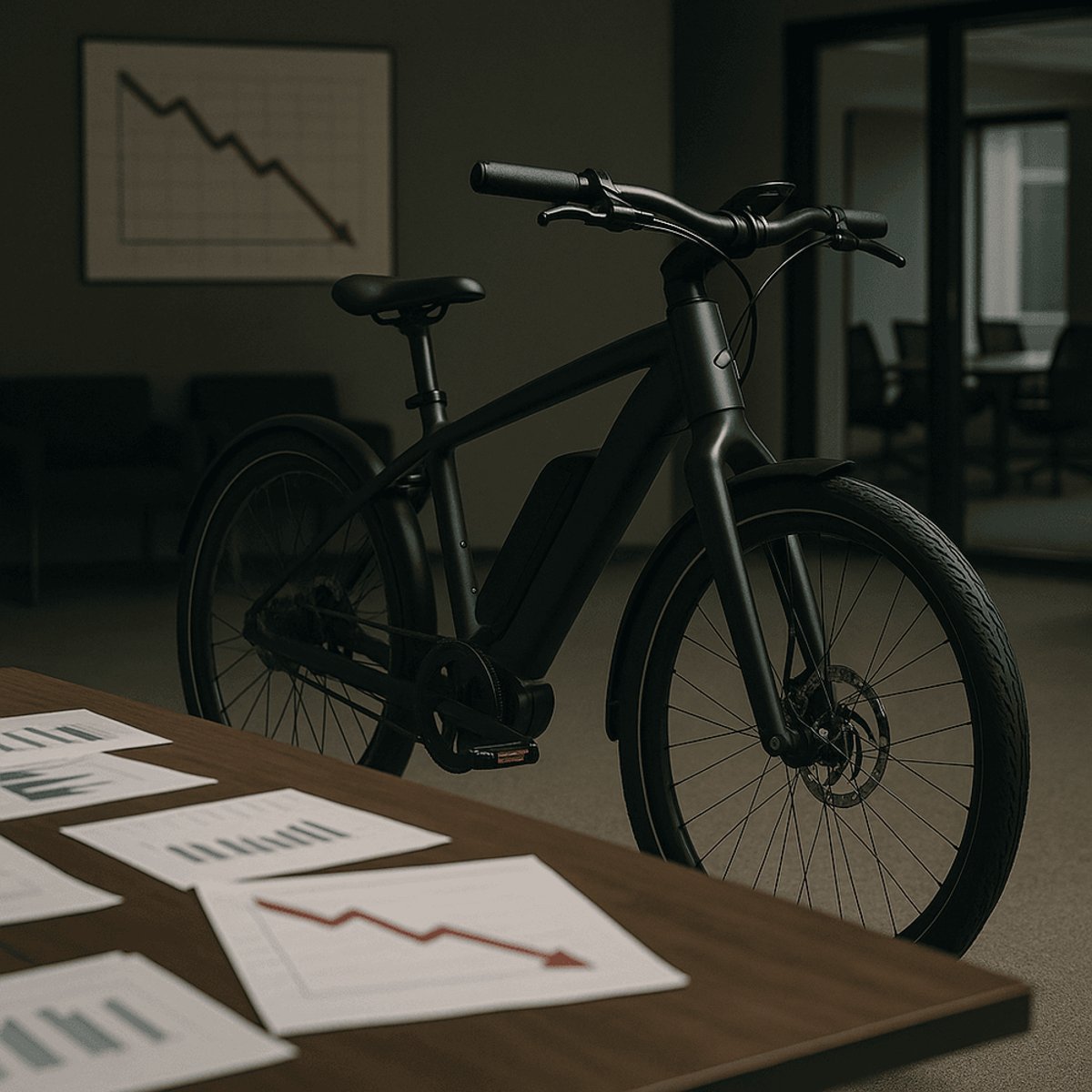
Rad Power Bikes has told employees it will shut down in January unless it secures emergency funding or an acquisition deal, according to internal emails obtained by TechCrunch. The Seattle-based e-bike company issued a Worker Adjustment and Retraining Notification warning that all 64 headquarters employees could be terminated by January 9, marking a dramatic fall for one of the industry's most prominent brands.
Rad Power Bikes is fighting for survival. The company's leadership sent a stark warning to employees last week: find new funding or an acquirer by January, or the lights go out for good.
The internal email, first reported by GeekWire and viewed by TechCrunch, reveals just how precarious things have become for the Seattle-based e-bike manufacturer. "The cessation of Rad's operations is not a foregone conclusion," the company's people team wrote, but the message couldn't mask the urgency.
The company came painfully close to a lifeline. Employees were told about a "very promising" deal that "appeared to be likely to close," but it ultimately "did not come to fruition." The email doesn't specify whether this was an acquisition or funding round, but the failure has left Rad Power scrambling with just weeks to find an alternative.
"Rad is nothing without its people and wants to ensure that all employees are taken care of," the email continues, before delivering the brutal reality check: "Despite our collective efforts, it is possible that this may not happen, and Rad may be forced to cease operations."
The company issued a Worker Adjustment and Retraining Notification last week, warning that 64 employees at its Seattle headquarters could be laid off as soon as January 9. This isn't a targeted reduction - it's the mandatory warning required before a complete shutdown. "In the event the company is forced to close, Rad would be required to cease operations on January 9, 2026 or within 14 days thereafter," according to the internal communication.
Rad Power's troubles reflect the broader carnage across the micromobility sector. What looked like a pandemic-fueled boom has turned into a bloodbath, with companies dropping like dominoes. VanMoof went bankrupt in 2023, Bird followed suit, and scooter startup Superpedestrian shut down US operations. Electric motorcycle maker Cake also filed for bankruptcy earlier this year.
The company's downfall started with the pandemic's double-edged sword. While early lockdowns created massive demand for e-bikes, the subsequent "sudden drop in consumer demand" left Rad Power holding excess inventory it couldn't move. The company has endured multiple rounds of layoffs over the past few years, each time hoping the next cut would be the last.
Tariffs and macroeconomic headwinds have only made things worse. CEO Kathi Lentzsch, brought in earlier this year specifically for her turnaround expertise, has spent recent months exploring "strategic partnerships with other companies that could acquire [Rad Power] or provide funding so the company could keep moving forward."
The irony is that Rad Power still makes some of the most compelling e-bikes on the market. Despite the financial chaos, the company maintained its reputation for quality products that resonated with consumers. But in a capital-intensive hardware business, good products alone aren't enough when the funding taps run dry.
"At this time, Rad's leadership is focused on supporting our employees, serving our Rad Riders, and giving Rad the best chance for longevity," a company spokesperson said, though the measured language does little to mask the desperation.
Lentzsch and her team have just weeks to pull off a miracle - either finding a white knight investor willing to pour cash into a struggling hardware business or convincing an acquirer that Rad Power's brand and technology are worth salvaging. With January 9 looming, the clock is ticking louder by the day.
Rad Power's potential shutdown would mark another devastating blow to the micromobility sector, signaling that even established brands with solid products can't survive the current funding drought. For the 64 employees facing potential termination and thousands of customers relying on the company's service network, the next few weeks will determine whether this pioneering e-bike company becomes another cautionary tale or finds a path forward. The broader lesson is sobering: in hardware manufacturing, market leadership and product quality mean little when the capital markets turn cold.