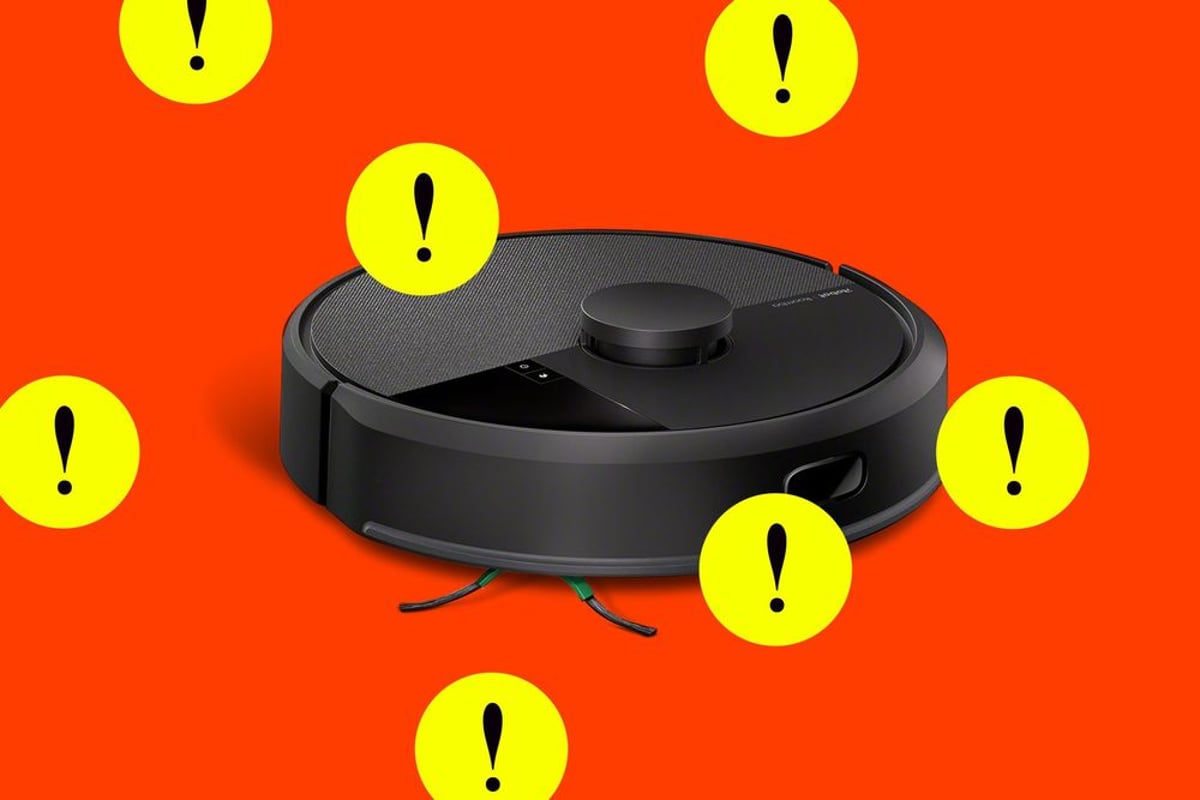
The Roomba revolution might be ending with a whimper. iRobot just reported third-quarter revenue well below expectations and burned through so much cash it's down to under $25 million with no additional funding sources. CEO Gary Cohen's stark admission comes as the iconic robot vacuum maker faces potential bankruptcy after its failed Amazon acquisition left it drowning in debt and Chinese competitors.
The house that Roomba built is crumbling fast. iRobot just delivered a financial reality check that sent shockwaves through the robotics industry, with CEO Gary Cohen admitting the company has burned through its cash reserves and sits on the edge of bankruptcy. The third-quarter earnings report reads like a death certificate for what was once America's most recognizable home automation brand.
"Well below our internal expectations due to continuing market headwinds, ongoing production delays, and unforeseen shipping disruptions," Cohen told investors in last week's earnings release. Translation: the company that pioneered robot vacuums can't compete with the flood of cheaper, often superior Chinese alternatives that have flooded the market.
The numbers paint a grim picture. iRobot's cash position has evaporated to under $25 million, and Cohen delivered the kind of statement that makes bankruptcy lawyers reach for their phones: "At this time, the Company has no sources upon which it can draw for additional capital." For a company that once commanded premium prices and household recognition, it's a stunning fall from grace.
This crisis has been building since Amazon's $1.7 billion acquisition attempt collapsed under regulatory scrutiny in early 2024. What looked like iRobot's salvation turned into its near-death sentence. The failed deal left the company with massive debt, a demoralized workforce, and a founder-CEO Colin Angle who walked away from the wreckage. The aftermath was brutal: over 30% of staff laid off and substantial debt from loans taken to fund operations during the acquisition process.
The competitive landscape tells the real story of iRobot's decline. Companies like Roborock, Ecovacs, and Dreame have systematically dismantled Roomba's market dominance with better navigation, superior mapping, and aggressive pricing. iRobot's desperate response this year was a complete product overhaul, finally adding lidar navigation to compete with rivals who've had the technology for years. But the new Roomba lineup looks more like an admission of defeat than a comeback strategy.
The company's latest SEC filing earlier this month contained the kind of language that makes investors run for the exits. iRobot warned it "may be forced to seek bankruptcy protection" after advanced negotiations with a potential buyer fell apart. The filing revealed the company has secured covenant waivers from its primary lender through December 1st, buying just weeks to find a miracle.
What happens to the millions of Roombas already in homes across America? iRobot's corporate communications director Michèle Szynal offered the standard corporate non-answer when The Verge pressed for details. "We remain focused on executing our strategy and delivering for our valued customers," she said, while confirming operations continue normally for now.
But recent history provides a troubling preview. Fellow American robot vacuum maker Neato shut down in 2023 and just pulled the plug on its cloud services this month, leaving thousands of robots unable to connect to their apps. The vacuums still clean, but smart features vanished overnight.
iRobot customers face the same risk. Most Roombas can operate in offline mode using physical buttons, but app-controlled scheduling, room-specific cleaning, and voice commands would disappear if the company's servers shut down. It's a stark reminder that cloud-connected devices should enhance functionality, not hold it hostage.
The broader implications extend beyond disappointed customers to the entire American robotics industry. iRobot's potential collapse would mark the end of the last major U.S. player in consumer robotics, ceding the entire market to Chinese manufacturers who've combined superior technology with ruthless pricing.
iRobot's financial crisis represents more than just another corporate casualty - it's the potential end of American leadership in consumer robotics. With under $25 million in cash and no clear funding path, the company that made robot vacuums mainstream faces an uncertain future. For the millions of Roomba owners, the immediate concern isn't just about their devices potentially losing smart features, but what it means when innovation gives way to pure cost competition. The question now isn't whether iRobot can turn things around, but whether any buyer will emerge before December 1st to keep the lights on.