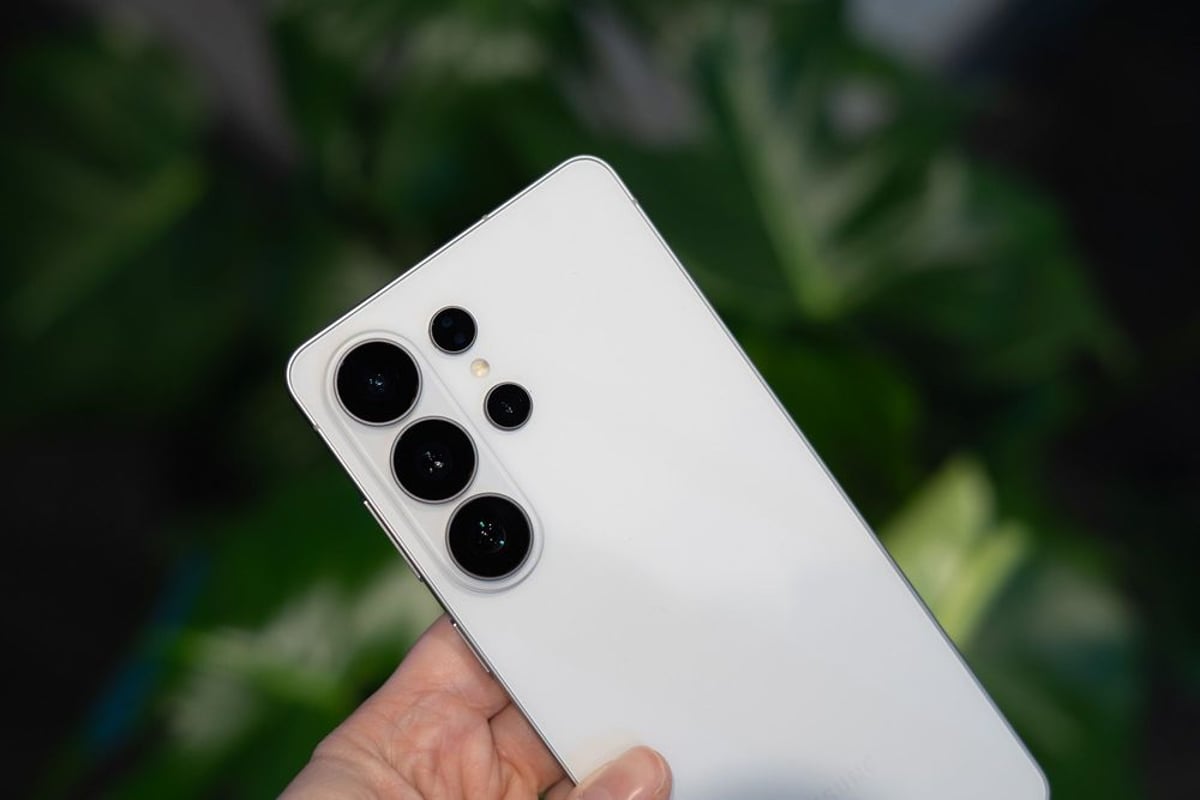
Samsung just got called out on its AI photo manipulation problem, and the company's response was telling. At a Q&A panel following its latest Unpacked event, The Verge confronted four top smartphone executives about the growing divide between users who want AI-enhanced photos and those worried about deepfakes eroding photographic truth. The world's second-largest smartphone maker, which lost its crown to Apple in 2025, didn't have a clear answer about implementing C2PA metadata standards that could help verify photo authenticity.
Samsung found itself in an uncomfortable spotlight Thursday morning when a reporter asked the question the company apparently wasn't ready to answer. Fresh off its latest Unpacked event, four top smartphone executives sat down for what should have been a routine Q&A session. Instead, they got confronted with one of the most pressing issues facing mobile photography today - and their response, or lack thereof, speaks volumes about where the industry stands on AI deepfakes.
The question cut straight to the heart of the matter: society is splitting between people who want AI to make their photos look amazing and those who don't want AI touching their images at all because it's destroying our ability to trust what we see. It's not a theoretical concern anymore. We're watching photographic evidence lose its credibility in real-time, and Samsung, as the world's second-largest smartphone manufacturer, sits right in the middle of this crisis.
What makes Samsung's position particularly interesting is its recent fall from grace. Until 2025, the company held the title of world's largest smartphone maker, which also made it the biggest camera manufacturer on the planet by sheer volume. Apple overtook that position, and now Samsung's fighting to differentiate itself in an increasingly crowded market where AI photo features have become a key battleground. But that differentiation comes with a cost - user trust.
The reporter specifically asked about C2PA, the metadata standard that's supposed to help us verify whether photos are authentic or AI-manipulated. Think of it as a digital nutrition label for images, showing exactly what's been done to them. Major platforms like Instagram and YouTube have started experimenting with C2PA labels, but adoption remains frustratingly spotty. When Samsung got the chance to commit to implementing this standard, the executives demurred.
This isn't just about Samsung being evasive at a press event. The company's hesitation reflects a broader industry dilemma. AI photo features sell phones - there's no question about that. Features that automatically enhance your smile, smooth out wrinkles, or even generate entirely new backgrounds are genuinely impressive to many consumers. But these same capabilities are fueling a crisis of authenticity that threatens to undermine photography's fundamental role as evidence.
The timing of this confrontation is particularly revealing. Samsung held this Q&A right after unveiling its latest hardware, presumably packed with even more AI photo capabilities. The company wants to tout these features as innovations, but it's increasingly difficult to celebrate AI enhancement without acknowledging the darker implications. Every smartphone that ships with powerful on-device image manipulation is another potential deepfake generator in someone's pocket.
What's missing from Samsung's response - and from most manufacturers' approach to this problem - is a clear commitment to transparency. C2PA isn't a perfect solution, but it represents the industry's best current attempt at maintaining some connection between photos and reality. The standard creates a verifiable chain of custody for images, documenting what camera captured them and what edits were applied. Without this kind of metadata, every photo becomes suspect.
The divide the reporter mentioned isn't going away. If anything, it's getting worse as AI capabilities advance. Some users genuinely want their phone to make them look better in photos, to remove unwanted objects, to enhance colors beyond what the sensor captured. Others are horrified by these same features, viewing them as lies that corrupt the photographic record. Samsung can't satisfy both camps without drawing clear lines about what constitutes acceptable enhancement versus manipulation.
Competitors aren't doing much better. Google has faced similar criticism for its Pixel phones' aggressive AI photo processing, which sometimes generates details that weren't actually in the scene. Apple has taken a more conservative approach, but even its computational photography raises questions about authenticity. The entire industry is dancing around the core issue: at what point does an AI-enhanced photo stop being a photograph and become something else entirely?
Samsung's silence on C2PA adoption is particularly frustrating because the company has the scale to move the needle. If Samsung committed to implementing the standard across its Galaxy lineup, other manufacturers would face pressure to follow suit. Instead, we're getting piecemeal adoption and lots of hand-waving about innovation without accountability.
The broader context here is that we're losing our shared understanding of what constitutes photographic truth just as misinformation reaches crisis levels. Social media platforms are already struggling to combat AI-generated fake images. Without robust authentication standards baked into cameras at the hardware level, the problem only gets worse. Every major smartphone maker bears responsibility for this situation, but Samsung's position as a market leader makes its choices particularly consequential.
Samsung's evasive response to questions about C2PA and photo authenticity reveals the uncomfortable truth facing every smartphone maker: they're profiting from AI features that simultaneously undermine trust in photography itself. The company's fall to second place behind Apple makes its AI strategy more critical than ever for differentiation, but without meaningful commitments to transparency standards, that strategy risks accelerating the very crisis it should be helping solve. The question isn't whether AI photo manipulation is here to stay - it obviously is - but whether manufacturers will take responsibility for giving users the tools to distinguish enhancement from deception.