Samsung engineers are pulling back the curtain on The Movingstyle's development, revealing how the company created an entirely new product category by merging TV, monitor, and mobile device technologies. Product planner Seokmin Baek and R&D engineer Michael Kim detail the technical challenges of building a portable touchscreen that pioneers new industry standards.
Samsung engineers are opening up about what it really took to create The Movingstyle - and the story reveals just how ambitious this portable screen project actually was. The device that looks deceptively simple on the surface required the company to essentially invent a new product category from the ground up.
"We had to redefine everything - from planning and development to manufacturing - to deliver a completely new user experience," Michael Kim from Samsung's Enterprise R&D Lab told Samsung Newsroom. "We revisited every step, from consumer research and the development process to quality assurance."
The challenge wasn't just technical - it was regulatory. When you're creating something that doesn't exist yet, there are no industry standards to follow. Kim and his team had to determine specifications and establish safety requirements from scratch. "I often pulled all-nighters, driven by the determination to create a brand-new category," he revealed. "Without that goal, I don't think I could have completed the project."
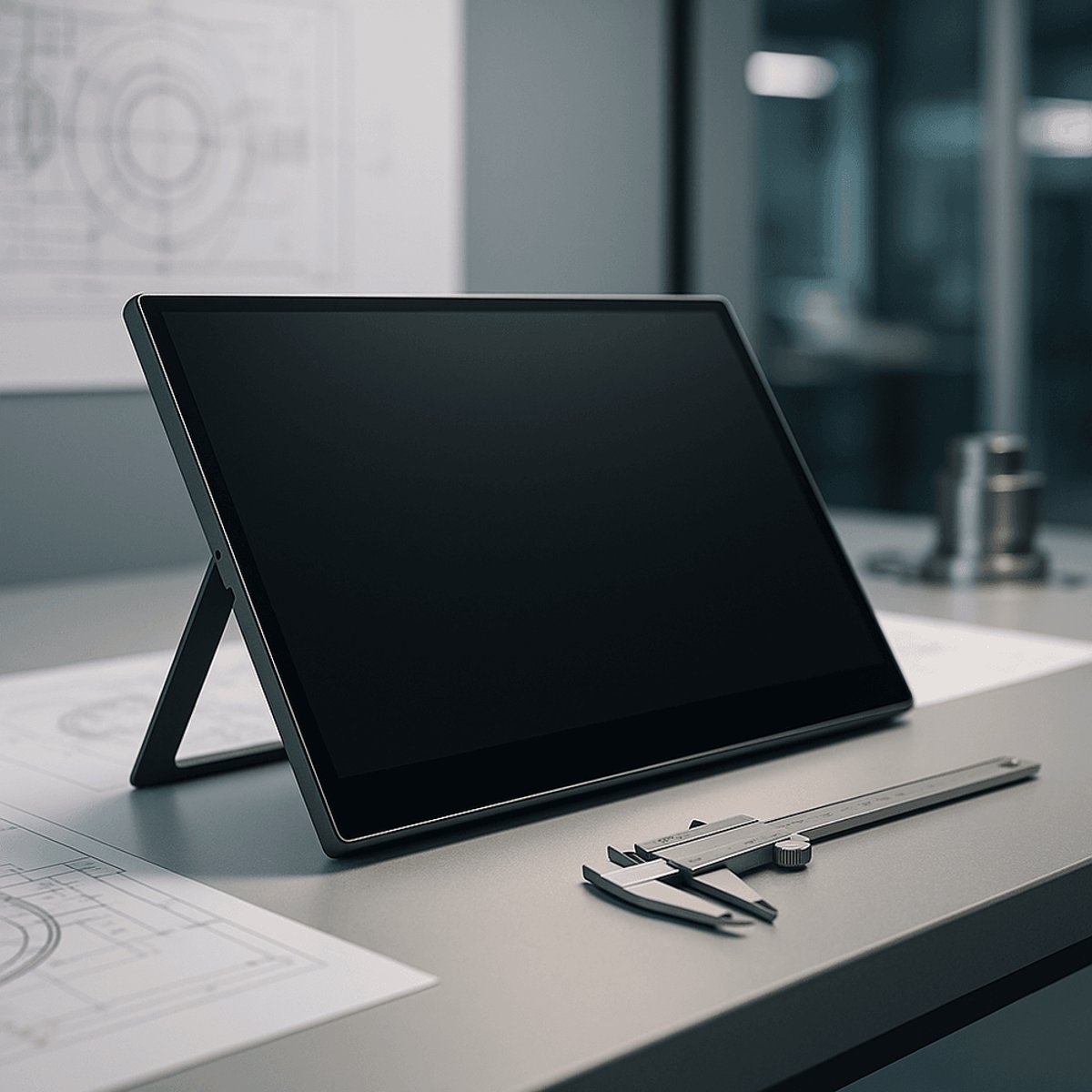
The engineering reality behind The Movingstyle is more complex than its clean design suggests. Take the kickstand - the component that makes the whole portable concept work. Product planner Seokmin Baek explained they could have gone with a standard approach, mounting the hinge separately from other components like the battery and circuit board. That would have been easier to develop and manufacture, but far less durable.
Instead, Samsung chose what Kim calls a "circuit-integrated design" - essentially building a sturdy hinge with cables, power management circuits, and other components housed directly inside it. "This approach required a more complex design and manufacturing process but was key to achieving The Movingstyle's exceptional build," he noted.
But the real breakthrough was philosophical. Baek's team spent months just figuring out what The Movingstyle should be. "We spent a lot of time thinking about The Movingstyle's identity during product planning and eventually arrived at a new category by combining Samsung's expertise in mobile devices with the strengths of our TVs and monitors," he explained.
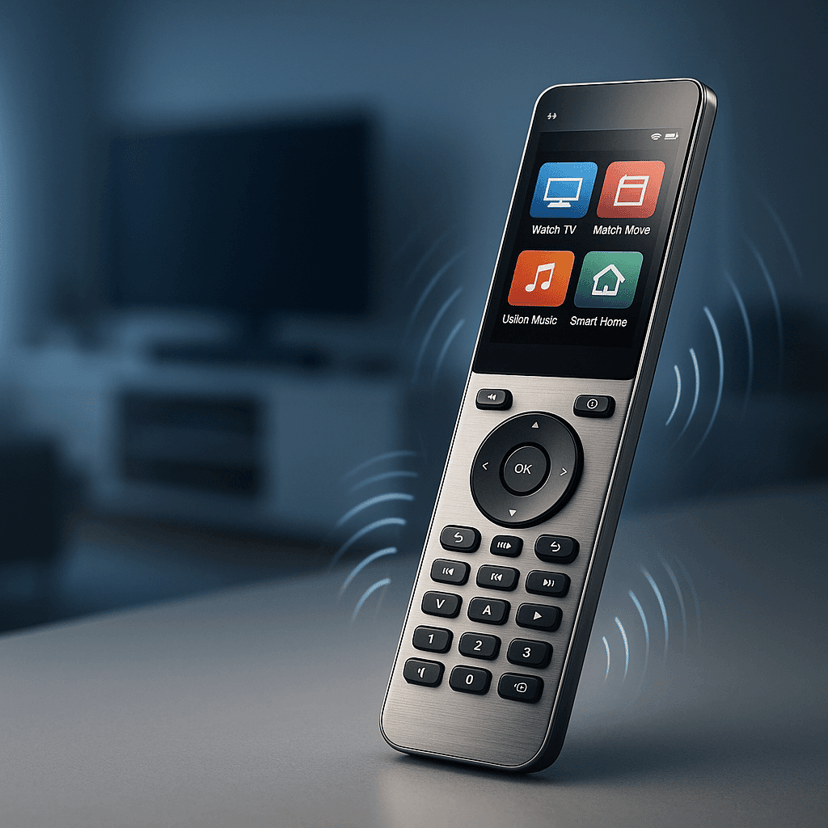
The result bridges what the industry calls "lean-forward" and "lean-back" viewing experiences. When you want to quickly look up a recipe in the kitchen, you can use the touchscreen. When you're watching a movie in bed, you grab the remote. Both feel natural because the device was designed from the start to handle both use cases.
The technical challenges were immense. Unlike TVs, which are viewed from a distance, monitors face much stricter safety standards because people sit close to them. Add touch functionality, and suddenly durability, accuracy, and response rates become critical. While monitors prioritize input-output accuracy, TVs focus on enhancing picture quality and visual appeal. The Movingstyle had to excel at both.
"The Movingstyle was born from close collaboration across our TV, monitor and mobile teams, achieving a higher level of perfection by bringing together the best technologies from each field," Kim said with evident pride. "It's an outcome that could only be achieved by a world-leading company with deep technological expertise and product know-how across various categories."
Even the connection ports required careful consideration. Rather than scatter them around the device, Samsung positioned them centrally on the back panel. "We especially wanted users to focus entirely on the screen without being distracted by exposed cables," Baek explained. The goal was creating "a single, self-contained object that blends naturally into any space."
The device's ability to rotate between landscape and portrait modes while attached to the base stand opens up use cases beyond entertainment. Kim noted it can serve as a presentation prompter in portrait mode or function as a touch display during meetings when no other screen is available.
For Samsung, The Movingstyle represents more than just another product launch. It's proof the company can still create entirely new categories in a mature display market. "I hope The Movingstyle will be remembered as the starting point of a shift that opens a new chapter in portable touchscreen technology," Kim said.
The engineers' candid revelations show that behind the sleek exterior lies months of complex problem-solving, regulatory navigation, and cross-team collaboration. What customers see as an intuitive portable screen actually required rethinking fundamental assumptions about how displays should work.
The Movingstyle's development story reveals how innovation in mature markets requires more than just new technology - it demands rethinking entire product categories. By combining mobile portability with monitor precision and TV immersion, Samsung has created something genuinely new. The real test now is whether consumers will embrace this hybrid approach to portable screens, potentially launching a whole new category that other manufacturers will inevitably follow.