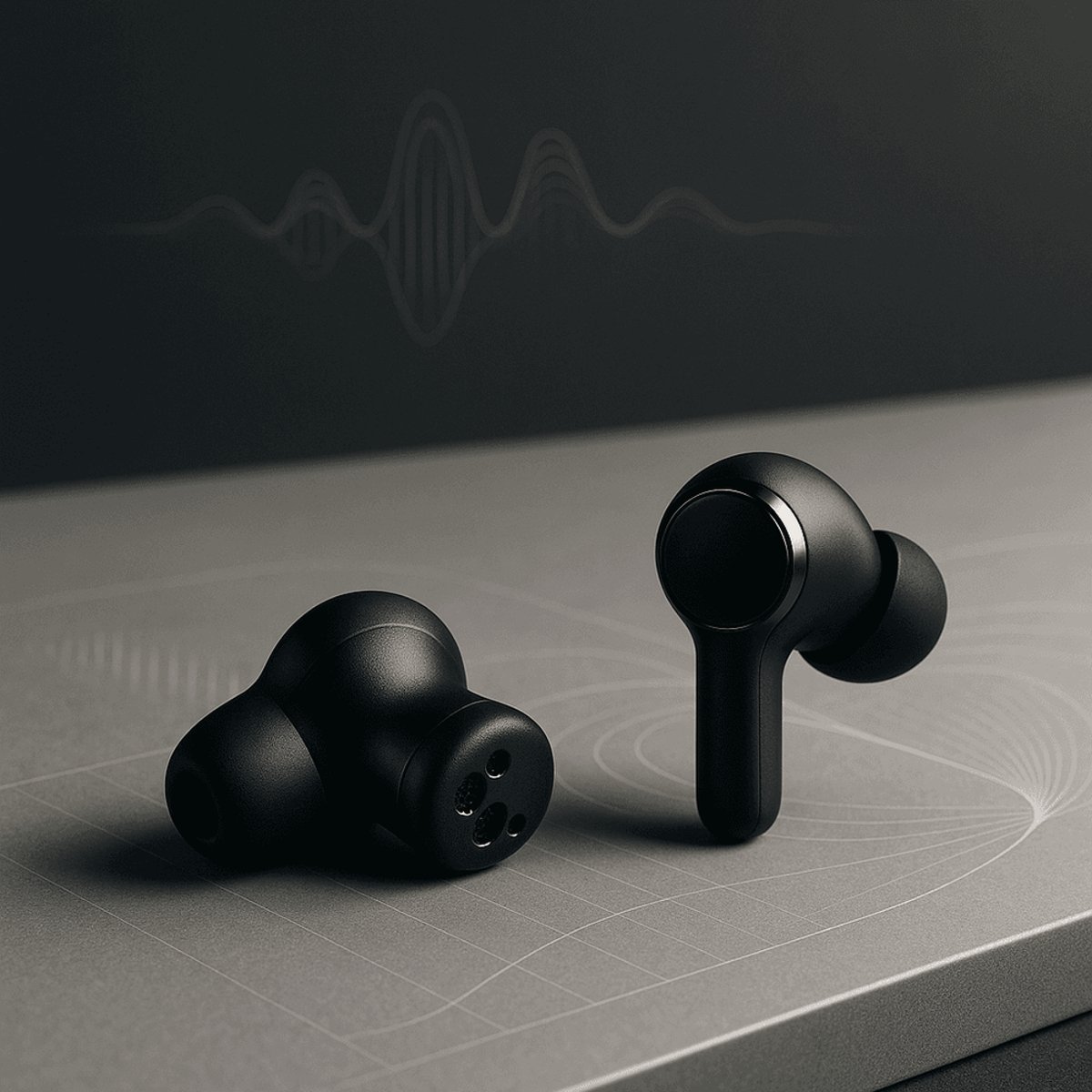
The wireless earbud market just got more interesting. Soundpeats has launched the H3 earbuds featuring triple drivers and high-end audio codecs at a surprisingly accessible price point. Wired's Simon Cohen found that while the company made strategic compromises to hit that price target, the audio quality punches well above its weight class.
The audio industry is watching as budget brands push premium features downmarket, and Soundpeats' latest release proves that strategy can work. The H3 earbuds pack triple drivers and advanced audio codecs into a package that doesn't break the bank, but the real question is whether the trade-offs are worth it.
Wired's detailed review reveals a company that knew exactly where to cut corners. The case feels "cheap and plasticky" according to reviewer Simon Cohen, and wireless charging didn't make the cut. The earbuds also skip wear sensors for auto-pause functionality and despite running Bluetooth 5.4, there's no Auracast support - a decision that could matter more as the technology becomes standard.
But those compromises enabled Soundpeats to focus resources where it counts most. The passive noise isolation impressed Cohen once he found the right ear tip fit, providing enough quiet for most environments without even activating the ANC. When you do switch on active noise cancellation, it handles lower frequencies adequately, though Cohen warns against expecting Bose, Sony, or Apple levels of silence.
The audio codec implementation stands out as particularly solid. Bluetooth 5.4 delivers stable connectivity even when pushing LDAC's high bit-rate mode, though multipoint connection requires turning LDAC off - a standard limitation across the industry. The lack of LE Audio and Auracast support feels like a missed opportunity, especially as Cohen notes the importance of including next-generation Bluetooth features in new devices.
Call quality emerged as an unexpected strength during testing. While voices lose some bass and don't sound entirely natural, the clarity remains crystal clear according to the review. More importantly, background noise stays on the caller's side without bleeding through to recipients, even during loud, disruptive moments. The consistency impressed Cohen, though he wouldn't rely on them for extended business calls due to the less-than-natural transparency mode.
The company is also navigating an app transition that could frustrate some users. Soundpeats is moving products from the legacy Peats Audio app to a newer Soundpeats app, but during this transition period, the old app requires an internet connection to function - something Cohen flags as problematic for users without consistent data access.
One specific usability quirk emerged during testing: you can't skip the Normal mode when switching between ANC and transparency unless you use the app. Cohen hopes this gets addressed in a firmware update. Additionally, active phone calls lock out ANC mode switching entirely, requiring users to select their preferred mode before making or taking calls.
The H3s represent a broader trend in the wireless audio market where smaller brands are democratizing premium features. By focusing on core audio performance while making strategic compromises on convenience features, Soundpeats is betting that sound quality matters most to their target audience.
This approach could reshape expectations in the budget wireless earbud segment, especially if other manufacturers follow suit. The question becomes whether mainstream consumers will accept feature trade-offs for better audio, or if convenience features like wireless charging and wear sensors have become table stakes regardless of price point.
The Soundpeats H3 review reveals how budget audio brands are redefining what's possible at accessible price points. While the compromises are real - from the plastic case to missing convenience features - the focus on core audio performance shows a clear understanding of what matters most to sound-conscious consumers. For manufacturers across the wireless earbud spectrum, this represents both a challenge and an opportunity to reconsider where they allocate their engineering resources.