The home karaoke market is heating up as consumers seek in-home entertainment alternatives. Wired's latest buying guide showcases everything from $19 portable Bluetooth microphones to $663 professional PA systems, revealing how audio companies are capitalizing on the growing demand for at-home entertainment solutions during the post-pandemic era.
The home entertainment landscape is shifting, and Wired's latest karaoke speaker buying guide captures this transformation perfectly. What started as a niche market for amateur singers has evolved into a sophisticated category where budget brands compete with professional audio companies for living room dominance.
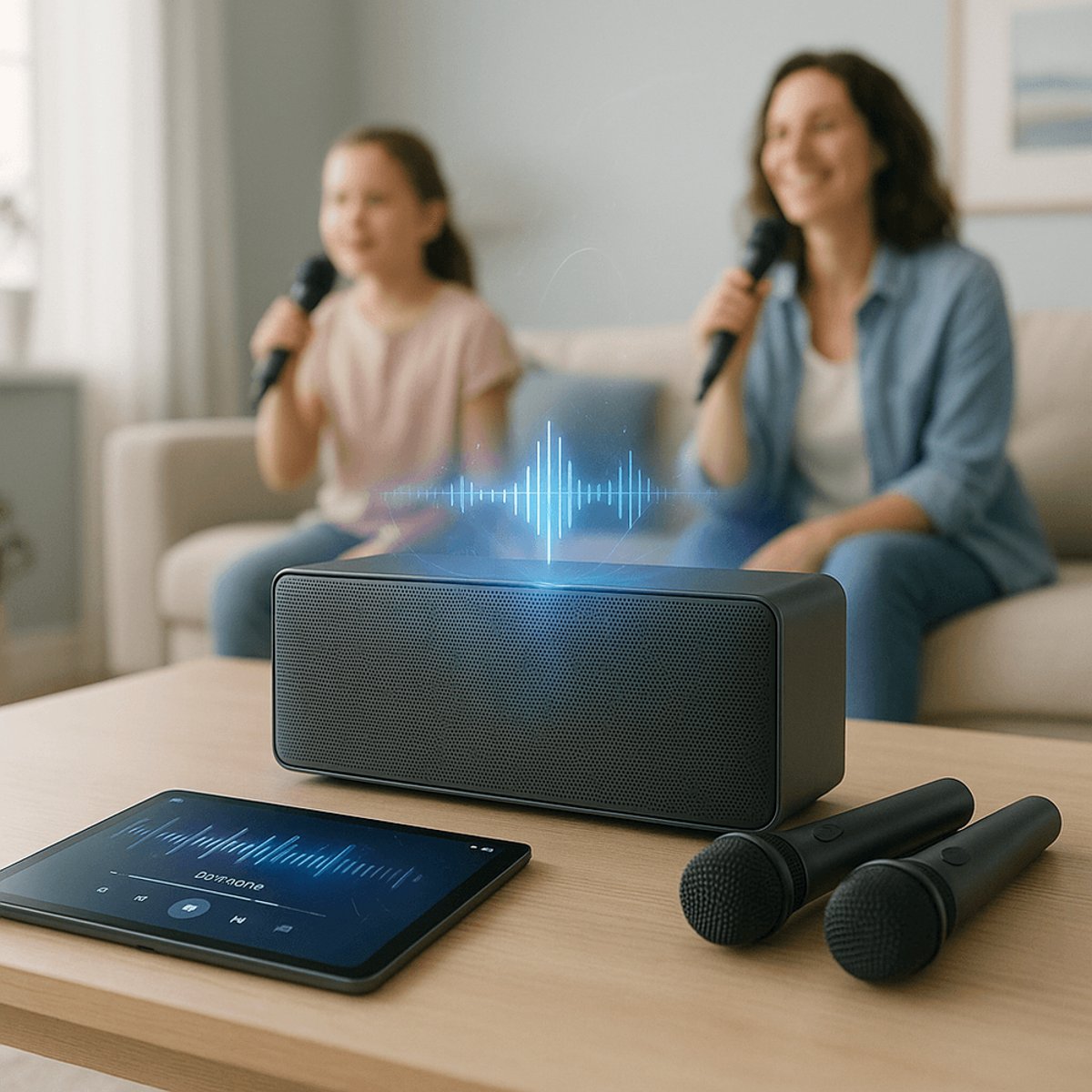
The standout winner is Soundcore by Anker's Rave 3S, priced at $300. The speaker impressed Wired's reviewers with its AI vocal remover technology that can strip vocals from any song, essentially turning Spotify into a karaoke catalog. "The marquee feature is Soundcore's AI vocal remover, which does a brilliant job stripping vocals to put any and every song at your disposal," writes reviewer Ryan Waniata.
This technological leap represents a significant shift in how consumers approach karaoke. Traditional karaoke required specialized backing tracks or expensive licensing deals with music publishers. Now, AI-powered vocal isolation democratizes the entire experience, making any song fair game for amateur performers.
The market segmentation reveals interesting consumer behavior patterns. At the entry level, the $19 Bonaok Karaoke Microphone dominates - a category flooded with nearly identical Chinese-manufactured Bluetooth microphones that combine speakers and mics in one device. These products target kids and casual party-goers who want portability over audio fidelity.
Mid-range options like the $300 Tribit Stormbox Blast 2 bridge consumer and prosumer markets. While it requires users to purchase separate microphones and XLR cables, it offers 30-hour battery life and IP67 weatherproofing - specifications that suggest outdoor festivals and events rather than living room singalongs.
At the premium end, JBL's Eon One Compact at $663 brings professional PA features to consumers. Hot-swappable batteries and the ability to pair up to four units wirelessly indicate that audio companies see home users adopting increasingly sophisticated setups.
The celebrity endorsement angle emerges with LG's collaboration with will.i.am on the Xboom Stage 301. While most of the Black Eyed Peas frontman's consumer electronics ventures have failed, Wired's Parker Hall notes this karaoke machine succeeds because "if there is anything will.i.am knows, it's how to perfectly set up a singer for accurate lip syncing to cool lights on stage."
The guide's emphasis on accessories reveals how the karaoke ecosystem has matured. Professional microphones like the Shure SM58 ($109) are now standard recommendations, while companies like Antares offer the Headrush VX5 vocal effects pedal ($299) that can create harmony layers and pitch correction in real-time.
Market timing couldn't be better for these products. The pandemic accelerated home entertainment adoption, while rising costs at traditional karaoke venues make home setups increasingly attractive. When a night out at a karaoke bar can cost $200-300 for a group, a $300 speaker system with lifetime use becomes compelling.
The technical specifications also tell a story about consumer expectations. Features like IPX4 water resistance, 12-hour battery life, and customizable LED lighting are now table stakes rather than premium features. This suggests manufacturers expect these devices to move beyond living rooms into backyards, beach parties, and camping trips.
What's particularly interesting is how AI technology is reshaping the entire category. Traditional karaoke required massive song libraries and licensing deals. Now, a single AI algorithm can turn any streaming service into a karaoke source, potentially disrupting established karaoke content providers.
The guide also reveals how major tech companies are approaching this space differently. Amazon dominates accessories through its Basics line, offering $23 microphone stands that compete with premium German brands. Meanwhile, Anker leverages its portable projector expertise to suggest complete entertainment systems.
For the audio industry, this represents a rare bright spot. While traditional speaker sales have stagnated, karaoke speakers offer higher margins and more frequent upgrade cycles. Companies can justify premium pricing through features like vocal effects, light shows, and app connectivity.
The competitive landscape shows interesting dynamics. Chinese manufacturers dominate the low end with nearly identical Bluetooth microphones, while established audio brands like JBL compete on professional features. In between, newer companies like Tribit and Soundcore are carving out positions through innovative features and aggressive pricing.
Wired's comprehensive karaoke speaker guide reflects a maturing market where AI technology, professional features, and consumer-friendly pricing are reshaping home entertainment. As traditional venues face economic pressure and consumers invest more in home setups, the karaoke speaker category represents a rare growth opportunity for audio manufacturers. The integration of AI vocal removal, wireless connectivity, and professional-grade features in consumer products suggests this trend will continue expanding beyond casual users into more serious home entertainment setups.