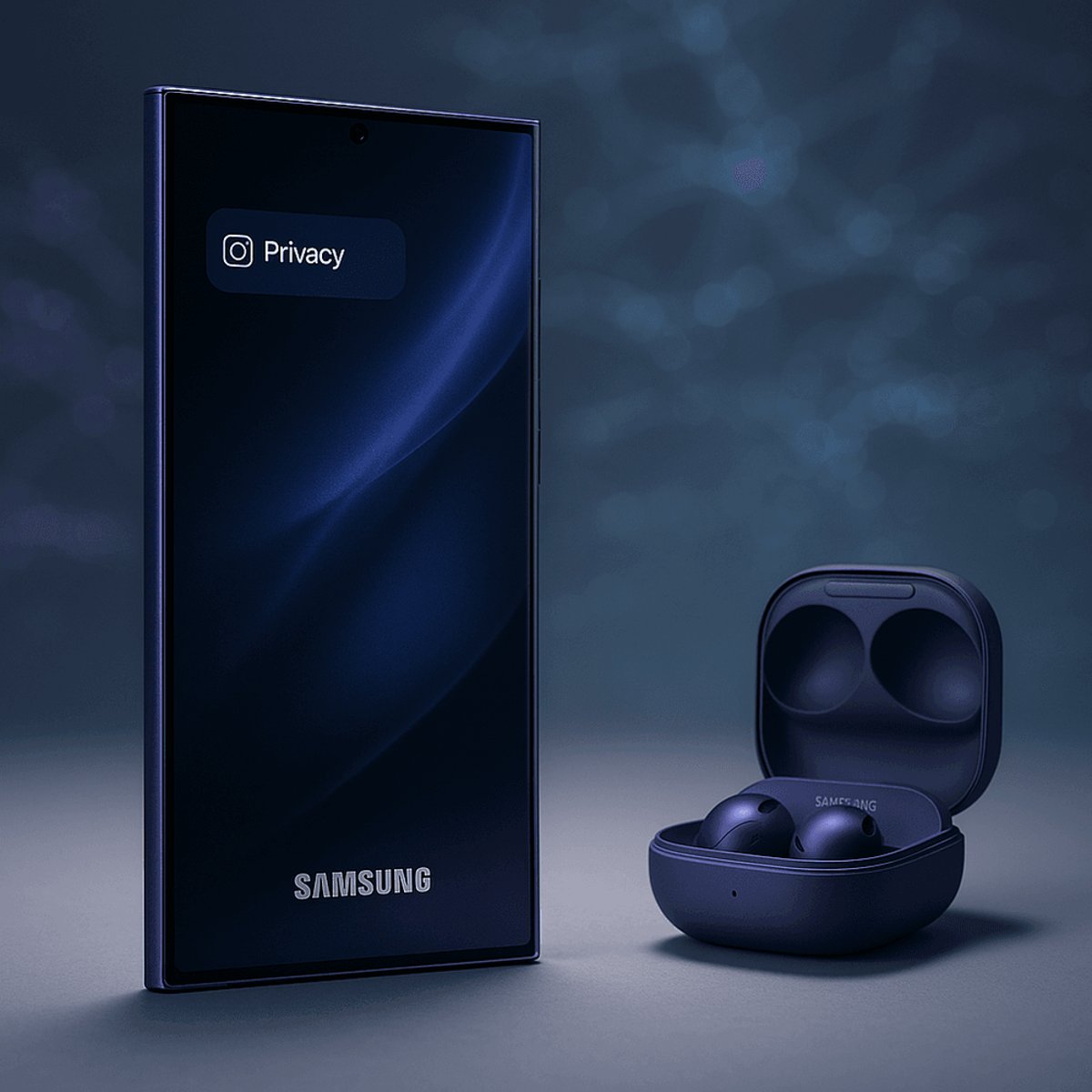
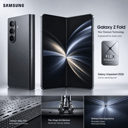
Samsung just dropped its most AI-forward phone lineup yet. The Galaxy S26 series hits shelves today with what the company calls the world's first built-in Privacy Display on a smartphone, alongside deeper Galaxy AI integration that promises to cut through busywork with proactive suggestions and multi-agent support. Pre-orders are already crushing expectations - up double digits from the S25 launch, with 70% of buyers opting for the premium Ultra model.
Samsung is betting big on privacy and AI as the Galaxy S26 series begins shipping worldwide today. The Korean tech giant's third-generation AI phone lineup - spanning the S26, S26+, and flagship S26 Ultra - is already outpacing last year's launch momentum, with pre-orders jumping by double digits and the Ultra model capturing over 70% of early demand.
The standout feature drawing attention is Privacy Display, a hardware-software combo that Samsung claims is an industry first for smartphones. Unlike software-based privacy screens, the technology works at the pixel level to restrict viewing angles and limit peripheral vision. It's designed for everyday scenarios - think checking sensitive emails on public transit or reviewing financial documents in a coffee shop. The system must be manually enabled in settings, and Samsung warns that some image quality changes occur outside the viewing range. Still, it's a notable departure from the arm's-length privacy solutions most phones offer.
Under the hood, the S26 Ultra runs on a customized Snapdragon 8 Elite Gen 5 Mobile Platform for Galaxy, delivering what Samsung calls the most powerful performance in Galaxy S history. The chip brings significant gains across CPU, GPU, and NPU compared to the S25 Ultra, though actual performance will vary based on user environment and pre-installed software.
But the real story is how Samsung is weaving AI deeper into the user experience. The company is moving beyond reactive AI tools toward proactive intelligence. Now Nudge, a new feature requiring Samsung Account login, analyzes your context to surface relevant suggestions - like prompting you to share photos from a recent event when you're texting friends who were there. Now Brief complements this by pulling data from notifications, Messages, Gmail, and Samsung Wallet to surface timely reminders about upcoming reservations or events. Both features tap into on-device AI processing to minimize cloud dependency, though network connections are still required for some functions.
Samsung is also introducing multi-agent support, letting users choose between different AI assistants to handle tasks with a single button press or voice command. Availability varies by region and language, but it signals Samsung's recognition that users want flexibility in how they interact with AI - not a one-size-fits-all assistant.
On the camera front, the S26 Ultra builds on Samsung's computational photography strengths. Nightography video now handles low-light footage better, while Super Steady adds a horizontal lock mode for smoother dynamic shots. The upgraded Photo Assist feature lets users describe edits in natural language rather than hunting through menus - type "make the sky more dramatic" and the AI interprets and applies the change. Creative Studio takes this further, generating stickers, invitations, and wallpapers from text prompts. All AI-generated images get a visible watermark to indicate they're synthetic, a nod to growing concerns about digital authenticity.
Launching alongside the phones is the Galaxy Buds4 series - Buds4 and Buds4 Pro. Samsung leaned heavily on computational design here, analyzing hundreds of millions of global ear data points and running over 10,000 simulations to optimize fit and comfort. The result is what the company calls an "iconic blade design" with engraved pinch controls and an ultra-sleek profile. The Buds4 Pro packs a wider woofer plus enhanced Adaptive Equalizer and Active Noise Cancellation for what Samsung claims is the best audio quality in Galaxy Buds history. Both models integrate with the same AI agents available on the S26, extending hands-free control beyond the phone.
The S26 series is available through carriers, retailers, and Samsung.com starting today. Color options include Cobalt Violet, White, Black, and Sky Blue, with Samsung.com exclusives in Pink Gold and Silver Shadow. The Buds4 lineup comes in White, Black, and an online-exclusive Pink Gold for the Pro model. Samsung Care+ extends warranty coverage and includes accidental damage protection, with details varying by region.
The strong pre-order performance suggests Samsung's AI-first positioning is resonating, particularly at the premium end where the Ultra is dominating sales. That's critical as the company faces intensifying competition from Apple's AI-enhanced iPhone lineup and Chinese manufacturers pushing aggressively into flagship territory. The Privacy Display feature alone could be a differentiator - privacy concerns are spiking as phones become repositories for increasingly sensitive personal and financial data.
What's less clear is how deeply users will engage with the new AI features. Proactive suggestions and multi-agent support sound compelling on paper, but adoption will depend on accuracy and whether the features actually save time or just create notification fatigue. Samsung has hedged by making most AI features opt-in and region-dependent, likely to fine-tune performance before broader rollout.
The S26 launch comes as the smartphone market shows signs of stabilization after years of decline. Premium devices with differentiated features - not just spec bumps - are driving what growth exists. Samsung is clearly betting that AI integration and privacy tech can justify premium pricing and pull users into longer upgrade cycles. The 70% Ultra attachment rate in pre-orders suggests that bet might be paying off, at least among early adopters willing to shell out for the flagship experience.
Samsung's Galaxy S26 series marks a clear pivot toward AI-first smartphone design, with Privacy Display adding a tangible hardware differentiator that goes beyond the spec sheet arms race. The strong pre-order performance - especially the 70% Ultra attachment rate - suggests premium buyers are responding to the combination of proactive AI features and privacy-focused innovation. But the real test comes in the weeks ahead as everyday users determine whether features like Now Nudge and multi-agent support actually deliver on their promise or just add complexity. With the smartphone market stabilizing around differentiated premium devices rather than volume growth, Samsung's bet on AI integration and privacy tech could define its competitive position for the next product cycle. The company has the hardware foundation right - now it needs the software execution to match.