Snap is making its biggest bet yet on augmented reality. The social media giant just spun off its AR glasses division into a standalone company called Specs Inc., signaling it's ready to take on Meta and Apple in the wearables race. The move comes as Snap prepares to launch its fifth-generation Spectacles to consumers later this year, ending a nearly eight-year hiatus from the public market. It's a bold pivot for a company that's spent over a decade refining the technology while competitors grabbed market share.
Snap just restructured its entire AR strategy, and the timing couldn't be more critical. The company announced Tuesday it's spinning off its Spectacles division into a separate entity, Specs Inc., as it gears up to finally release its long-awaited AR glasses to the public later this year. The move allows for "greater operational focus and alignment," according to Snap's announcement, but it also signals something bigger - Snap is going all-in on hardware at a moment when the AR glasses market is heating up fast.
The decision comes after more than a decade of development. Snap first started working on the technology behind Specs way back in the early 2010s, but the company hasn't offered a consumer version since 2018's ill-fated release. Since then, the fifth-generation model has been locked behind a developer program, available only to creators and programmers willing to pay a monthly subscription to build apps for the platform. That strategy gave Snap time to populate its wearable ecosystem with the kinds of apps and experiences that could make or break a consumer launch.
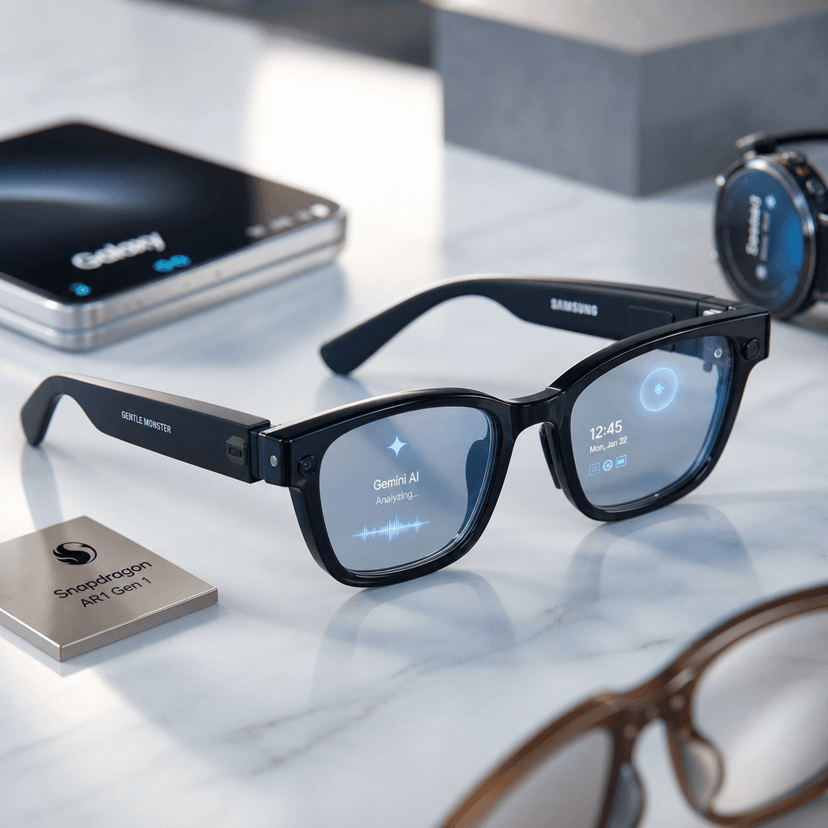
But while Snap refined its product in relative privacy, Meta charged ahead. The Facebook parent company struck partnerships with major eyewear brands like Ray-Ban and Oakley through EssilorLuxottica, and its smart glasses have seen growing demand across the U.S. according to recent reports. Apple also entered the spatial computing arena with its Vision Pro headset, though at a much higher price point and with a different form factor. Snap's challenge now is breaking into a market where competitors have already established beachheads.
I got hands-on time with the latest Spectacles at CES earlier this month, and the hardware shows real promise. Russell Patton, product manager for Specs, walked me through the device's capabilities, emphasizing "the spatial nature" of the glasses and how they enable experiences impossible on a phone. The magic happens through four integrated cameras that power hand tracking and feed into Snap's Spatial Engine, the software backbone that projects AR imagery into your field of vision.
The glasses run on Snap OS, which released version 2.0 last September with some genuinely useful features. There's an improved browser - I tested it by pulling up TechCrunch's website while wearing the glasses - along with an AI-powered "spatial tips" function that auto-generates information about whatever you're looking at. Point the glasses at a spread of snacks, and they'll highlight which options are healthiest. A travel mode can translate foreign street signs and menus in real-time, positioning Specs as a practical tool beyond just social media capture.
Gaming might be where Spectacles really shine. I flailed my way through a round of Avatar: The Last Airbender, and the spatial controls felt intuitive once I got the hang of hand gestures. But the killer feature is synchronization - two people wearing different Spectacles can see the same AR objects in the same physical space, opening the door for collaborative gaming experiences that feel genuinely novel. It's the kind of social interaction that plays directly to Snap's strengths.
The hardware isn't perfect yet. At nearly 8 ounces, according to Snap's specifications, the glasses feel hefty compared to regular eyewear. They also heated up noticeably during my demo, though the Snap team noted that particular pair had been in continuous use all day. The company says the physical design will change before the public launch, which suggests they're aware the form factor needs refinement. Comfort matters in wearables - if people won't wear them for extended periods, even the best software won't save the product.
Snap hasn't committed to a specific release date, only saying the consumer version will arrive "later this year." That vagueness might be strategic, giving the company flexibility to polish the product before it faces real-world scrutiny. But it also means Snap is racing against competitors who aren't standing still. Meta continues iterating on its Ray-Ban collaboration, and rumors swirl about Apple's plans for lighter-weight AR glasses beyond Vision Pro.
The creation of Specs Inc. as a standalone subsidiary suggests Snap views this as more than just another product line - it's a potential future for the company. By separating the glasses division, Snap can give it dedicated resources, faster decision-making, and possibly even set it up for outside investment down the road. It's a structure that could allow the hardware business to scale independently if it gains traction, or be more easily restructured if it struggles.
For Snap, which has faced pressure from investors to prove it can compete beyond its core social app, Spectacles represents both risk and opportunity. The company has poured years of R&D into this technology while watching its stock price fluctuate and competitors grow. A successful Spectacles launch could redefine Snap as a hardware innovator. A flop could raise questions about whether the company should have stuck to what it knows best.
Snap's spin-off of Specs Inc. marks a defining moment for the company's hardware ambitions. After years of development behind closed doors, Snap is finally ready to compete head-to-head with Meta and Apple in the AR wearables market. The technology is impressive - spatial browsing, AI-powered contextual tips, collaborative gaming - but success will depend on whether consumers actually want to wear these glasses daily. The form factor needs work, the price point remains unknown, and Meta already has retail distribution locked down with Ray-Ban. Snap's betting that a decade of refinement will pay off when Spectacles finally go public later this year. The real test isn't whether the technology works, but whether it works well enough to convince people to put AR on their faces.