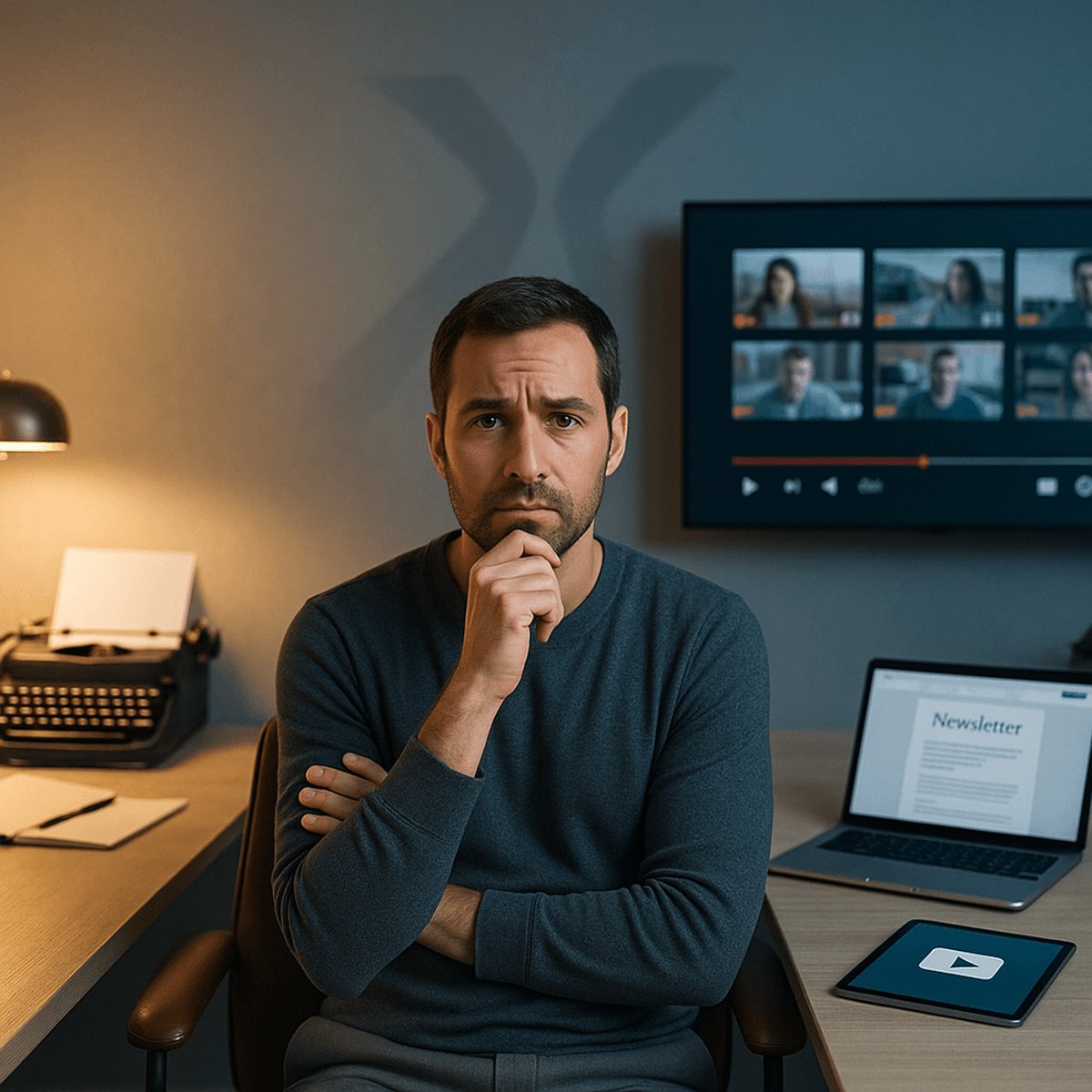
Substack is making a controversial leap to the living room. The newsletter platform just launched a beta TV app for Apple TV and Google TV, letting subscribers watch video posts and livestreams from creators on the big screen. But the move is sparking fierce pushback from its core community, with top comments on the announcement demanding the company "elevate the written word" instead of chasing video. The launch marks Substack's most aggressive push yet into video territory dominated by YouTube and Patreon, and it's raising questions about whether the platform is abandoning the writers who built it.
Substack just declared war on the written word - or at least that's how its most loyal users see it. The newsletter platform announced Thursday it's launching a TV app for Apple TV and Google TV, bringing video posts and livestreams to the big screen. The beta app is available now to both free and paid subscribers, with access determined by subscription tier.
The app borrows heavily from the playbook that's dominated mobile attention for years. A TikTok-style "For You" row surfaces recommended videos from creators, alongside other discovery features meant to keep viewers scrolling. Substack says it plans to add paid content previews for free users, audio posts and read-alouds, enhanced search, in-app subscription upgrades, and dedicated creator channels where subscribers can binge all videos from a specific publisher.
"Substack is the home for the best long-form - work creators put real care into and subscribers choose to spend time with," the company wrote in its announcement post. "Now these thought-provoking videos and livestreams have a natural home on the TV, where subscribers can settle in for the extended viewing that great video deserves."
But the reception suggests Substack might have misjudged its audience. The top comment on the company's own blog post cuts straight to the tension: "Please don't do this. This is not YouTube. Elevate the written word." Another highly-voted response takes aim at the company's apparent identity crisis: "You guys have gone from saying Substack is the best home for longform writing/writers to 'Substack is the home for the best longform - work…'. I get trying to evolve, but this just seems like another venture capital-fueled idea."
The backlash isn't coming out of nowhere. Substack has been quietly transforming itself from a writer-first platform into something that looks increasingly like a video streaming service. The company launched video posts back in 2022, then added video monetization in early 2025. It rolled out livestreaming capabilities to all publishers around the same time, and in March 2025 it introduced a TikTok-like video feed in its mobile app.
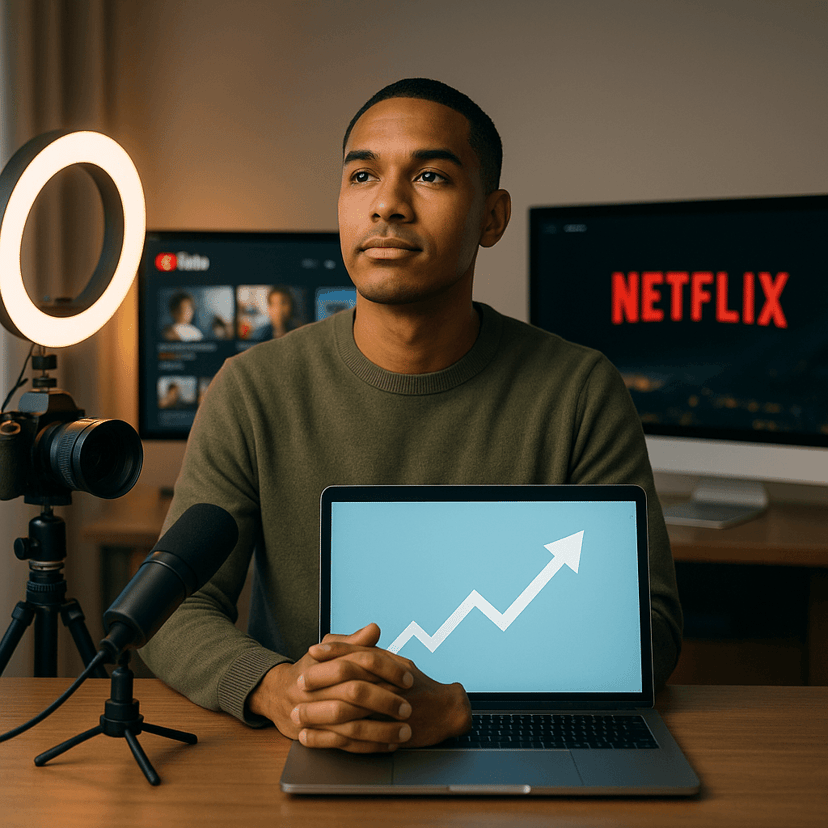
The TV app represents the culmination of this strategy, and it puts Substack in direct competition with YouTube and Patreon for both creator attention and viewer time. Those platforms have spent years building out living room experiences, and they're sitting on massive libraries of content and sophisticated recommendation algorithms. YouTube in particular has become a dominant force on TV screens, with Google reporting that YouTube watch time on TVs now exceeds traditional TV viewing in some demographics.
Substack's pitch to creators has always been about ownership and direct relationships with subscribers, with the platform taking a 10% cut of subscription revenue rather than relying on advertising or algorithmic suppression. But as the company pushes deeper into video, it's adopting the same discovery mechanics - algorithmic feeds, recommendations, autoplay - that have made platforms like TikTok and YouTube so sticky and, critics argue, so corrosive to deeper engagement.
The timing is notable. Instagram just launched IG for TV in December, bringing Reels to Amazon Fire TV. Meta's move signals a broader industry belief that short and mid-form video belongs on the biggest screen in the house, not just on phones. But Instagram started as a visual platform. Substack built its reputation on long-form writing and independent journalism.
The question now is whether Substack can thread the needle - expanding into video without alienating the writers and readers who made the platform matter in the first place. The company clearly believes there's room for "thought-provoking videos" alongside newsletters, and that creators want a unified platform for all their content. But the comment section tells a different story, one where Substack's core users feel like the platform is chasing trends instead of doubling down on what made it different.
For now, the TV app is in beta, and Substack says more features are coming. Whether those features address user concerns or accelerate the platform's transformation into yet another video feed remains to be seen. What's clear is that Substack is betting its future on video, and not everyone who helped build that future is coming along for the ride.
Substack's TV app launch reveals a platform at a crossroads. What started as a haven for independent writers is rapidly transforming into a video-first platform competing directly with YouTube and Patreon for creator dollars and living room attention. The fierce backlash from longtime users suggests this evolution might come at a cost - the trust and loyalty of the writers who built Substack's reputation in the first place. As the platform adds TikTok-style feeds and TV apps, the central question becomes whether it can serve two masters: the venture capital expectations driving expansion into video, and the writer community that still believes the written word deserves elevation, not abandonment. The beta launch is just the beginning of this identity crisis, and how Substack navigates the tension between growth and mission will determine whether it becomes the next YouTube or loses what made it special in the first place.