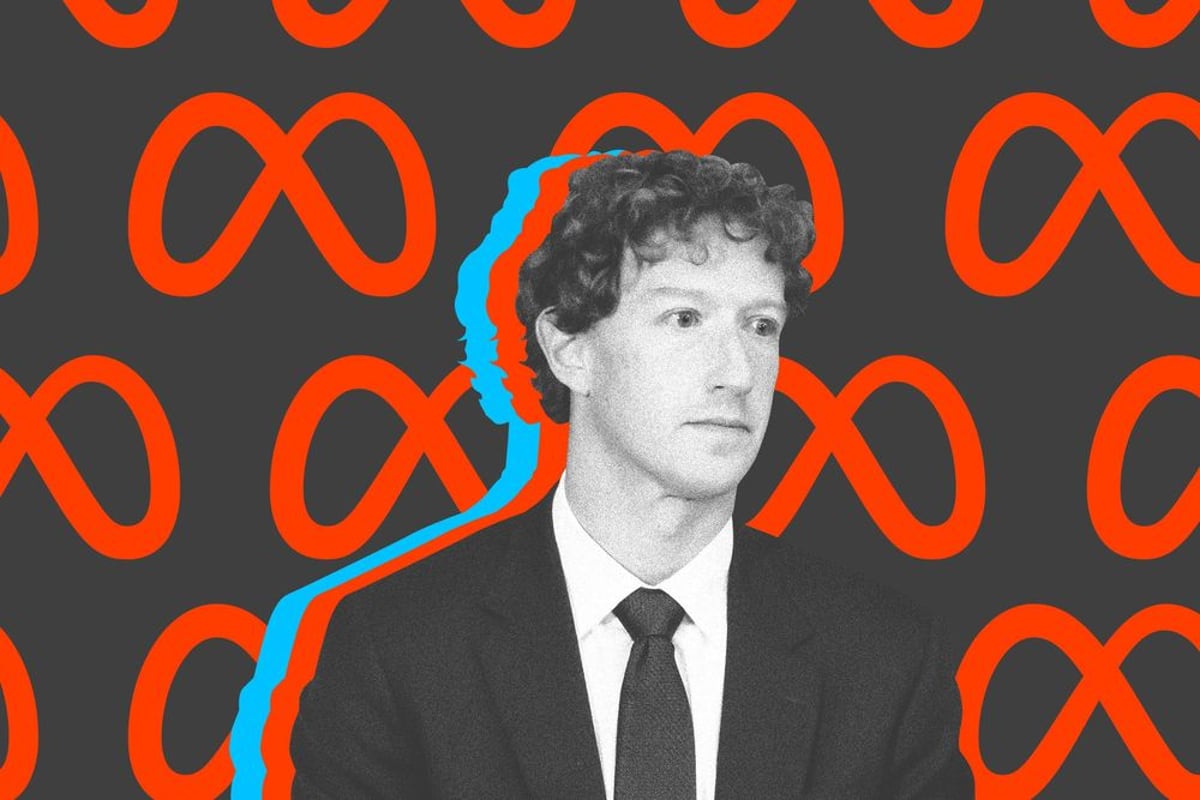
The White House is assembling Silicon Valley's heaviest hitters for its AI policy brain trust. Meta CEO Mark Zuckerberg, Nvidia CEO Jensen Huang, Oracle CEO Larry Ellison, and Google co-founder Sergey Brin have been tapped as the first four members of the President's Council of Advisors on Science and Technology, according to The Wall Street Journal. The move signals Trump's intent to keep America's AI titans close as the administration crafts policy for the technology reshaping global competition.
Silicon Valley's power players are getting official seats at the policy table. Meta CEO Mark Zuckerberg, Nvidia CEO Jensen Huang, Oracle CEO Larry Ellison, and Google co-founder Sergey Brin have been named the first four members of the President's Council of Advisors on Science and Technology, The Wall Street Journal reported. The appointments put the leaders of America's most influential AI companies directly in the room where policy gets made.
The panel, known as PCAST, will focus heavily on AI policy at a moment when the technology is simultaneously driving trillion-dollar valuations and raising existential questions about national security. Trump's AI and crypto czar David Sacks and White House tech advisor Michael Kratsios will co-chair the group, which starts with 13 members but could expand to 24. The White House announced the council's formation in January, saying it would "advise the President on matters involving science, technology, education, and innovation policy."
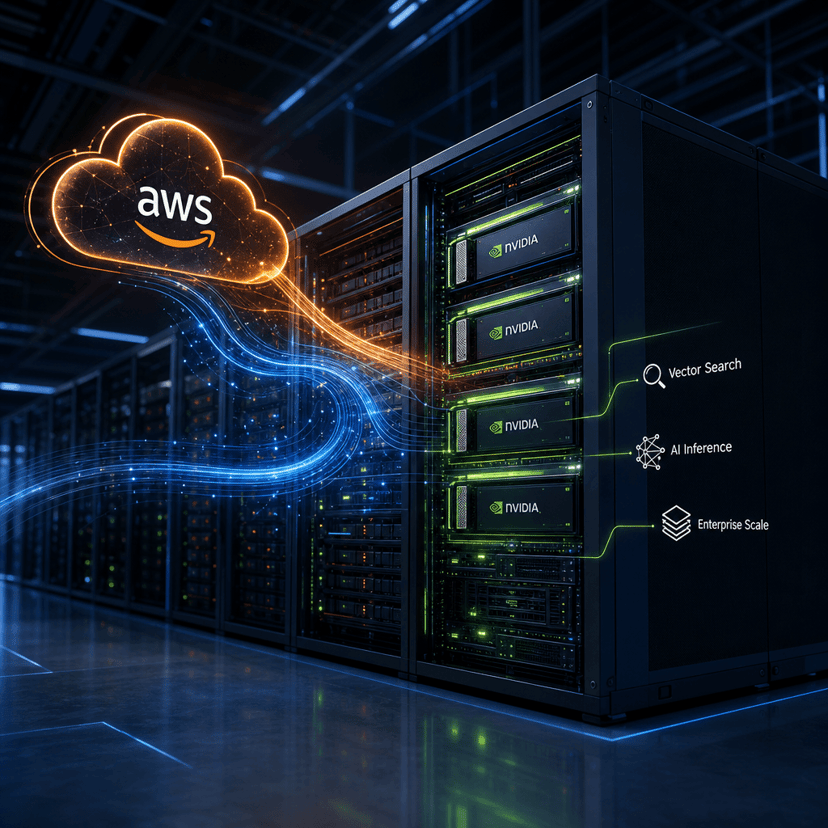
The lineup reads like a who's who of AI infrastructure. Huang's Nvidia produces the GPUs that power virtually every major AI system on the planet, making the company's chips as vital to the AI race as oil was to the industrial age. Zuckerberg has bet Meta's future on AI, pouring tens of billions into infrastructure and open-sourcing models that challenge OpenAI's dominance. Ellison's Oracle is positioning itself as the enterprise backbone for AI deployment, while Brin helped build Google into the company that arguably started the modern AI revolution with its transformer architecture research.
But the appointments also raise eyebrows about conflicts of interest. These CEOs run companies that stand to win or lose billions depending on how AI gets regulated. Nvidia faces questions about chip export controls to China. Meta is navigating antitrust scrutiny while trying to compete in AI. Google is fighting a Justice Department lawsuit that could force it to break up its search empire. Now they'll be advising on the very policies that affect their bottom lines.
The tech industry's relationship with Washington has transformed dramatically over the past year. Where previous administrations kept Silicon Valley at arm's length, Trump has embraced tech leaders, hosting Zuckerberg at Mar-a-Lago and praising executives who invest in American AI infrastructure. The PCAST appointments formalize that détente, creating an official channel for CEO influence on policy.
Historically, PCAST has included a mix of academics, researchers, and industry leaders. But this iteration skews heavily toward active CEOs with direct financial stakes in the technologies they'll be advising on. Previous councils under Obama and Biden featured more university scientists and independent researchers. The shift reflects both the speed of AI development and Trump's preference for engaging directly with business leaders rather than academic intermediaries.
The panel's formation comes as Congress struggles to pass meaningful AI legislation. While Europe has implemented comprehensive AI regulation and China has taken a state-directed approach, the U.S. has largely relied on voluntary commitments from companies. PCAST could become the primary vehicle for shaping American AI policy, especially if it can move faster than legislative processes.
What remains unclear is how much influence the council will actually wield. Advisory panels can be largely ceremonial or they can become powerful forces in policy formation. With Sacks - a well-connected Silicon Valley investor - as co-chair and a roster of sitting CEOs, this version of PCAST seems positioned for real impact. The question is whether that impact will serve national interests or industry preferences, and whether those two things align or diverge on critical questions like AI safety standards, competition policy, and technology exports.
The timing matters too. China is racing to develop its own AI capabilities while the U.S. debates how to maintain its lead without stifling innovation. Having the CEOs who control America's AI infrastructure advising on policy could accelerate decision-making, but it also concentrates power in the hands of people with enormous financial incentives to push specific outcomes. The nine remaining PCAST members yet to be announced will be crucial in determining whether the council provides balanced guidance or becomes an industry lobby with government credentials.
The appointment of Zuckerberg, Huang, Ellison, and Brin to PCAST marks a fundamental shift in how Washington engages with the tech industry on AI policy. Instead of regulating from a distance, the administration is bringing the people who build AI systems directly into the policy process. Whether that produces smarter regulation or regulatory capture will depend on who else joins the council and how transparent the advisory process becomes. For now, it's clear that if you want to influence America's AI future, being a sitting CEO with billions in market cap doesn't hurt your chances of getting a seat at the table.