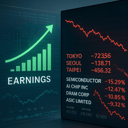
Tech stocks took another beating Monday as AI concerns persist, but Wall Street strategists aren't giving up on a year-end rally just yet. Nvidia dropped nearly 2% while the broader tech selloff sent the Nasdaq down 0.84%, yet analysts at major firms still see potential for markets to bounce back before 2025 wraps up.
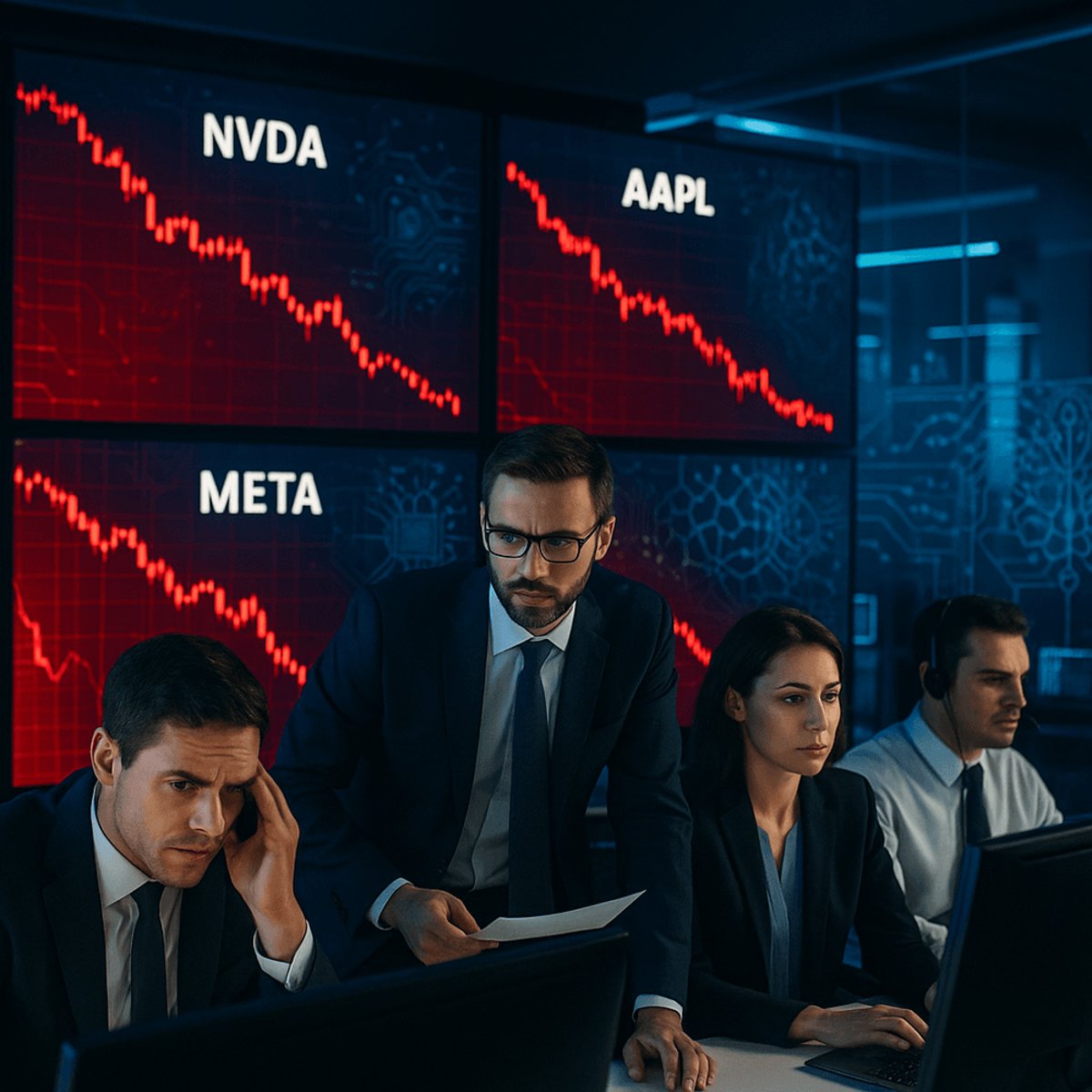
The tech rout that started weeks ago gained fresh momentum Monday, with Nvidia leading the charge downward as investors brace for what could be the most consequential earnings report of the quarter. The AI chipmaker's stock fell nearly 2%, dragging other tech giants with it as Apple, Meta, and Oracle each dropped more than 1%.
But here's the thing - Wall Street's top strategists aren't ready to throw in the towel on 2025 just yet. Despite mounting concerns about sky-high AI valuations and massive capital expenditure commitments, several major firms are doubling down on their year-end rally predictions.
"We continue to see a balance of bullish and bearish signals heading into year-end, but our stance remains that a year-end rally is likely," Michael Graham at Canaccord Genuity wrote in a Monday note to clients. That optimism comes even as the Nasdaq Composite has shed significant ground over concerns that AI companies might not deliver on their lofty promises.
The pressure is particularly intense for Nvidia, which reports third-quarter earnings Wednesday. CEO Jensen Huang's October claim that the company has "half a trillion dollars" of business locked in for 2025 and 2026 has set expectations sky-high. Investors will be parsing every word of Huang's commentary for hints about whether that massive pipeline can actually materialize into sustained growth.
"If they offer any even slightly muted guidance or forecast for demand for their chips, the market would take that poorly," Baird investment strategist Ross Mayfield told CNBC. That's the curse of being one of the two companies around which the entire AI universe orbits - alongside OpenAI - where any disappointment gets amplified across the entire sector.
The current selloff reflects deeper anxieties about whether AI investments will pay off. Companies across Silicon Valley have committed hundreds of billions to AI infrastructure, from data centers to specialized chips, but concrete revenue returns remain elusive for many. This disconnect between spending and results has spooked investors who initially bought into the AI revolution with unbridled enthusiasm.
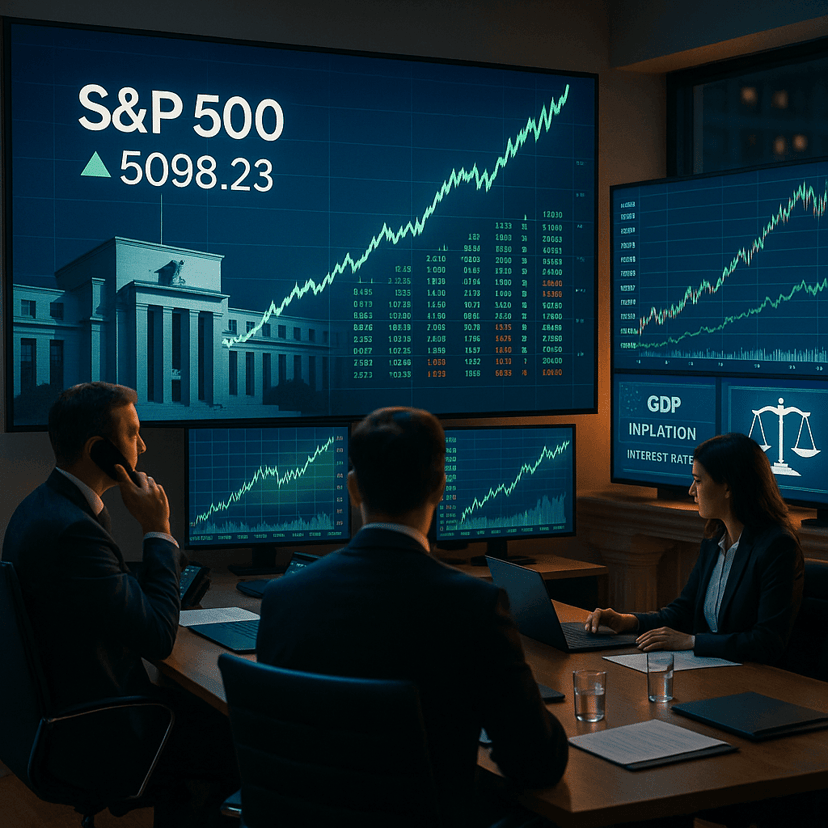
Yet HSBC remains surprisingly bullish. The bank's chief multi-asset strategist Max Kettner said Monday that "the probability of a melt-up into year-end – particularly in equities – is much greater" than a potential AI bubble bursting. That's a bold stance given the recent volatility and growing skepticism about AI valuations.
The divergence in views highlights the unusual moment we're in. Traditional market dynamics suggest caution after such a significant tech rally over the past two years, but the transformative potential of AI continues to attract believers who see current weakness as a buying opportunity rather than the start of a major correction.
Historically, year-end rallies often materialize when sentiment appears most pessimistic. If Graham and Kettner prove right, the current tech selloff could set up a powerful rebound as institutional investors rebalance portfolios and retail investors return to beaten-down names. But that scenario hinges largely on Nvidia delivering results that justify its central role in the AI ecosystem.
The timing couldn't be more critical. With just six weeks left in 2025, there's limited runway for a meaningful recovery if conditions deteriorate further. Wednesday's Nvidia earnings will likely determine whether the optimists or pessimists control the narrative heading into the final stretch of the year.
The next few days could determine whether 2025 ends with celebration or disappointment for tech investors. Nvidia's earnings Wednesday will serve as a crucial test of whether AI spending can translate into the revenue growth that justifies current valuations. If the company delivers on Huang's ambitious promises, the optimists predicting a year-end rally might get their wish. But if guidance disappoints, we could be looking at a much choppier end to what's already been a volatile year for AI stocks.