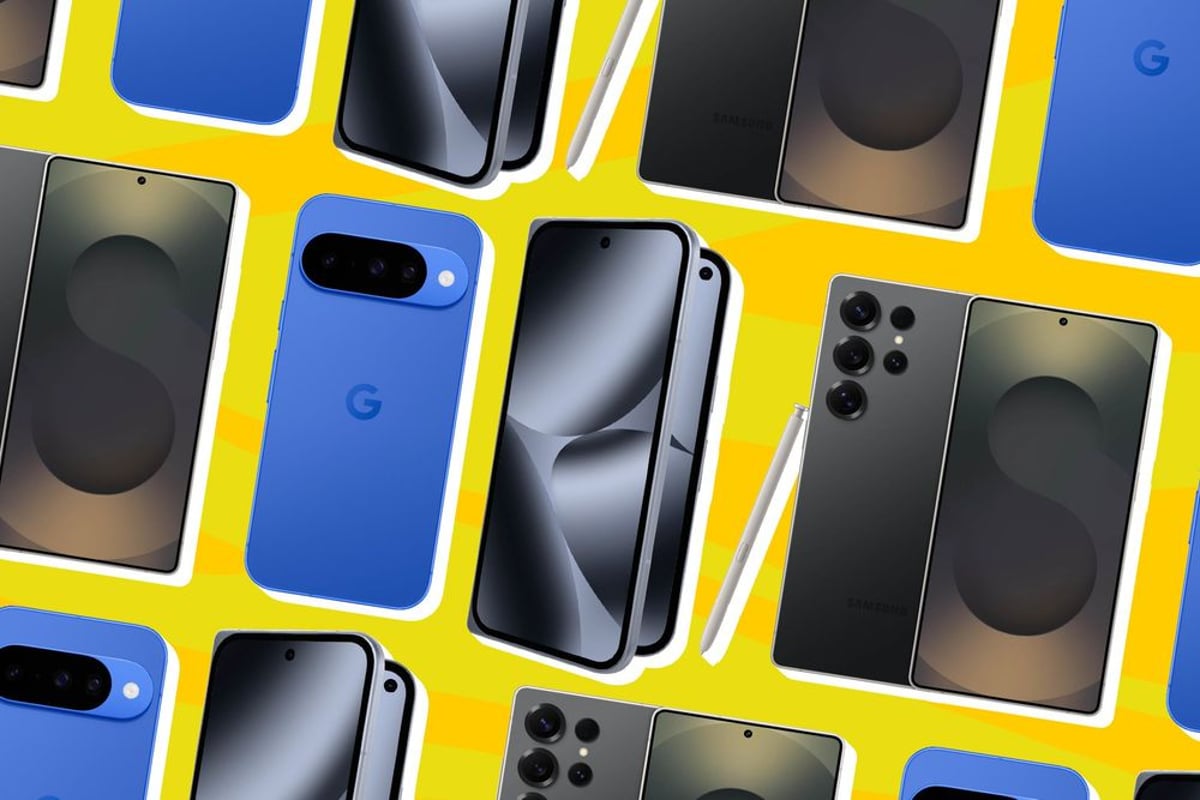
The Verge just released its definitive Android phone buying guide for 2025, and the landscape has shifted dramatically. While Apple users face limited upgrade options, Android buyers now navigate an ecosystem packed with foldables, AI-powered features, and devices that push the boundaries of what smartphones can do. The standout finding: Google's Pixel 10 has emerged as the sweet spot for most users.
The smartphone market's biggest story isn't about the devices themselves - it's about choice. Apple users get a predictable annual refresh cycle, but Android buyers face an unprecedented array of options that can feel overwhelming. The Verge's latest comprehensive buying guide cuts through the noise with hands-on testing of every major Android release.
Google's Pixel 10 has claimed the crown for best overall Android phone, and for good reason. At $799, it delivers the same Tensor G5 chip found in Google's Pro models, plus Qi2 wireless charging with built-in magnets that require no case. The real differentiator? AI features that actually work. Magic Cue proactively surfaces restaurant details or reservation info as you text with friends, creating those rare moments when AI feels genuinely helpful rather than intrusive.
"AI has yet to really impress me on a phone," admits The Verge's Allison Johnson, who tested dozens of devices for the guide. "But none of it feels like the platform shift that big tech companies keep promising. Best not to put too much stock in any company's AI claims just yet."
The premium Android space tells a more complex story. Samsung's Galaxy S25 Ultra remains the maximalist choice at $949 (down from $1,299), packing two telephoto cameras, a built-in stylus, and the largest screen in Samsung's lineup. But the device feels less distinctive than previous Ultra models, with software improvements that trickle down to cheaper Galaxy phones. The rounded corners improve comfort, but year-over-year hardware upgrades are minimal.
Battery anxiety might finally be solved by OnePlus. The OnePlus 13's 6,000mAh battery delivers two full days of moderate use, while 80W charging provides hours of power in minutes. At $899, it undercuts Samsung's flagship while offering superior durability through IP68 and IP69 ratings that could withstand hurricane conditions.
Foldable phones hit a turning point with durability improvements. Google's Pixel 10 Pro Fold becomes the first foldable with full IP68 dust and water resistance, addressing the category's biggest weakness. Beach trips and dusty environments no longer spell doom for the $1,799 device, though it carries a 40g weight penalty compared to Samsung's alternatives.
The guide reveals interesting regional market dynamics. US consumers miss out on brands like Huawei, Xiaomi, Honor, and Oppo due to what Johnson diplomatically calls "capitalism" and "geopolitics." Most Americans still get phones "for free" through carrier deals, though buying unlocked provides maximum flexibility for future carrier changes.
Size preferences create interesting trade-offs. Samsung's Galaxy S25 at $674 represents the last reasonably-sized Android option with a 6.2-inch screen, while the Galaxy S25 Edge offers big-phone features in a surprisingly thin package. The Edge sacrifices telephoto capabilities and some battery life for its lightweight design.
AI integration remains hit-or-miss across the Android ecosystem. Samsung's Galaxy devices can translate phone calls in real time, while Google's Pixel series offers the most refined AI experience. But none achieve the paradigm shift manufacturers promise, leaving room for skepticism about AI marketing claims.
The testing methodology behind these recommendations involves living with each device for a full week, stress-testing batteries through GPS navigation while streaming, and photographing everything from low-light portraits to rapid-fire action shots. This comprehensive approach reveals real-world performance differences that spec sheets can't capture.
Looking ahead, the Android landscape appears relatively stable until 2025, with Samsung's rumored trifold device representing the next potential disruption. Black Friday and Cyber Monday present optimal buying windows for budget-conscious consumers, with many flagships seeing significant discounts.
Android's strength lies in choice, but that same variety can overwhelm buyers. Google's Pixel 10 emerges as the balanced pick for most users, combining practical AI features with solid hardware at a reasonable price. Premium buyers should consider Samsung's Galaxy S25 Ultra for maximum features, while battery-focused users will find OnePlus 13's two-day stamina compelling. The foldable category finally feels ready for mainstream adoption with improved durability, though traditional slab phones still offer better value. With Black Friday approaching and the smartphone release cycle entering a lull, now represents an ideal time to upgrade - just avoid getting swept up in AI marketing hype that hasn't yet delivered on its promises.