The robotaxi war just got a lot bigger. Waymo announced plans to bring driverless rides to three additional US cities, while Amazon's autonomous vehicle unit Zoox confirmed it's starting testing in two more markets. The dual expansion signals that self-driving cars are moving from novelty to normal faster than most expected, and the competition for street-level dominance is heating up fast.
The robotaxi race just added new turf. Waymo, the autonomous driving unit under Alphabet, is bringing fully driverless rides to three more US cities, according to CNBC. At the same time, Amazon's self-driving subsidiary Zoox says it will start testing its vehicles in two additional markets, a move that pushes the company further into territory Waymo has largely had to itself for years.
It's not hard to see why both companies are moving now. Waymo has spent nearly a decade building out its driverless network, starting in Phoenix before expanding to San Francisco, Los Angeles and Austin. Each new city has meant months of mapping, safety validation and slow rollouts, first with safety drivers, then without. Three more cities joining that list in one announcement is a notable acceleration in pace compared to Waymo's historically cautious, one-city-at-a-time approach.
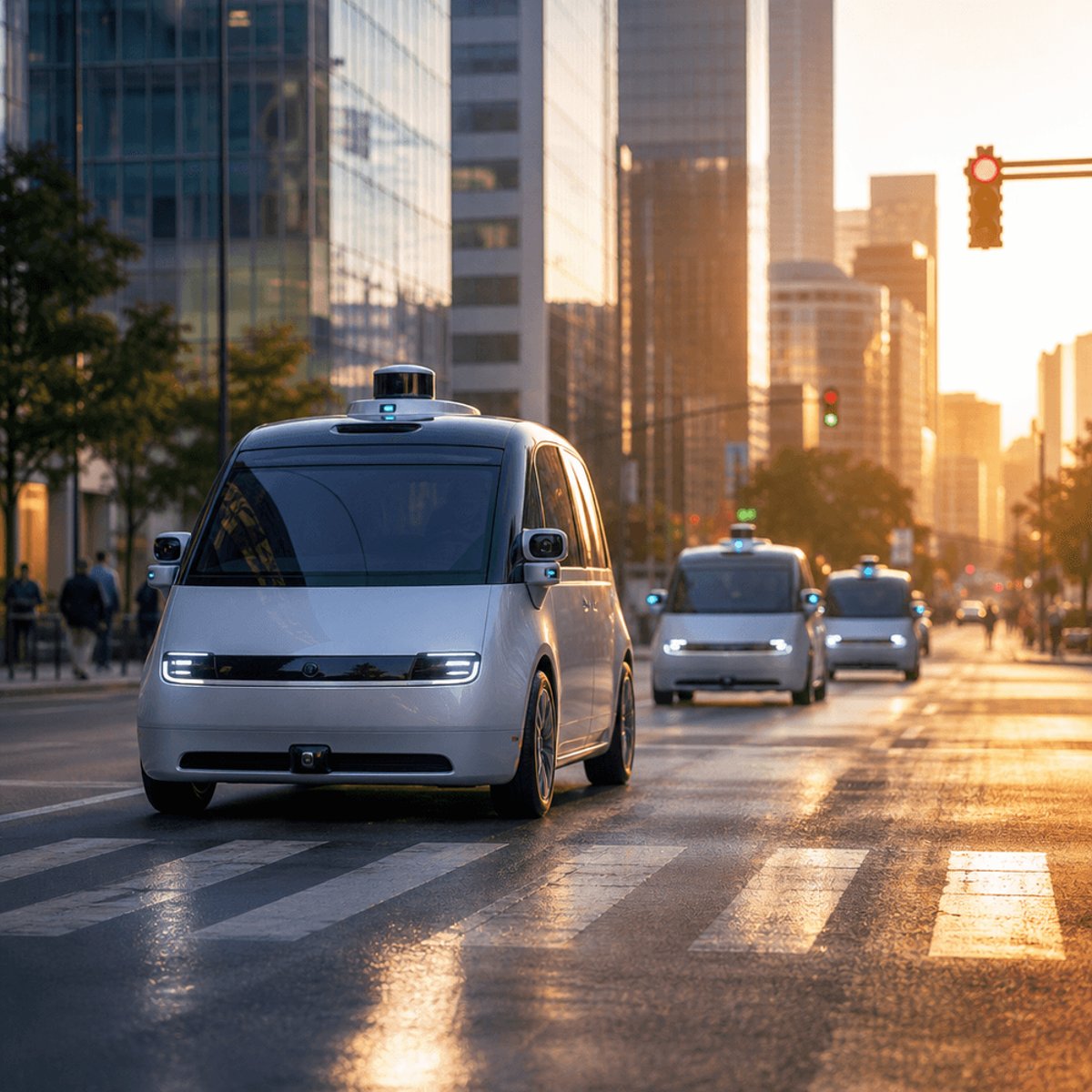
Zoox, for its part, has taken a different path since Amazon acquired it in 2020. Rather than retrofitting existing car models like Waymo did with Jaguars and later custom Hyundai builds, Zoox designed its robotaxi from scratch, with no steering wheel and a symmetrical, bidirectional layout meant for dense urban routes. The company has run limited testing in Las Vegas and San Francisco, and this expansion into two new markets marks its most aggressive push yet to prove the tech works beyond a couple of controlled zones.
[embedded image: Waymo and Zoox robotaxis side by side on a city street]
What's striking here is the timing. Both companies are moving into new markets simultaneously, which suggests this isn't just organic growth, it's competitive positioning. Neither company wants to cede ground while the other locks up exclusive relationships with cities, regulators and ride-hailing partners. Whoever gets to scale first tends to set the template other cities use when deciding whether to let robotaxis operate at all.
That race matters because the economics of robotaxis only work at scale. Each new city requires expensive high-definition mapping, sensor calibration and a local operations team before a single paying rider ever gets in the car. Waymo has reportedly logged tens of millions of autonomous miles across its network, per company data cited by CNBC, giving it a data advantage that's hard for challengers to match quickly. Zoox is betting that its purpose-built vehicle design and Amazon's logistics muscle can close that gap faster than building on top of existing car platforms would allow.
The competitive backdrop extends beyond just these two. Tesla has been rolling out its own robotaxi service in Austin, and Uber has partnered with multiple autonomous vehicle makers, including a recent tie-up involving Wayve in London, rather than building its own self-driving stack. That fragmented landscape means cities are becoming testing grounds for competing bets on how autonomous transportation should actually work, from vehicle design to partnership models to regulatory approach.
Regulators are watching closely too. Robotaxi expansion into denser, less-mapped urban environments tends to raise fresh questions about pedestrian safety, emergency vehicle interactions and how these cars handle edge cases human drivers navigate instinctively. Every new city is effectively a fresh regulatory negotiation, and any high-profile incident in one market can slow rollout plans everywhere else, something both Waymo and Zoox are acutely aware of given how much scrutiny the industry has faced since early robotaxi trials began.
For riders, the practical upshot is that driverless cars are becoming less of a novelty and more of an actual transportation option in more places. For investors and industry watchers, it's a signal that the biggest players think the technology, and the business case, is finally ready to scale past a handful of flagship cities. Whether that confidence is justified will play out over the next year as these new markets go live and the inevitable hiccups, technical or regulatory, start showing up in the headlines.
The simultaneous expansion from Waymo and Zoox marks a turning point where robotaxis stop being a handful of city experiments and start looking like a genuine transportation category. For riders it means more access sooner than expected, for regulators it means more pressure to get safety frameworks right at scale, and for the industry it means the real competition, over data, design and public trust, is just getting started.