The Trump administration just threw a wrench into America's AI dominance - and Beijing is watching closely. A sweeping regulatory crackdown targeting Anthropic's advanced AI models is raising alarm bells across Silicon Valley, with industry insiders warning the move could hand China exactly what it needs to close the gap in the global AI race. The timing couldn't be worse: as US companies face mounting restrictions, Chinese labs are pushing ahead with their own frontier models.
The White House just made a move that has Silicon Valley scrambling and Beijing smiling. In an unexpected policy shift, the Trump administration is cracking down on Anthropic and its advanced AI systems - a decision that industry observers are calling a potential gift to China's AI ambitions.
The regulatory action targets Anthropic's leading models, though the specific restrictions remain unclear. What is clear: this marks a dramatic escalation in government oversight of AI development, and the timing raises serious questions about America's strategy in the AI arms race.
Anthropic, backed by Google and founded by former OpenAI executives, has been at the forefront of AI safety research while building some of the world's most capable language models. The company's Claude models compete directly with OpenAI's GPT-4 and represent a key pillar of US AI leadership. Now that pillar is under pressure.
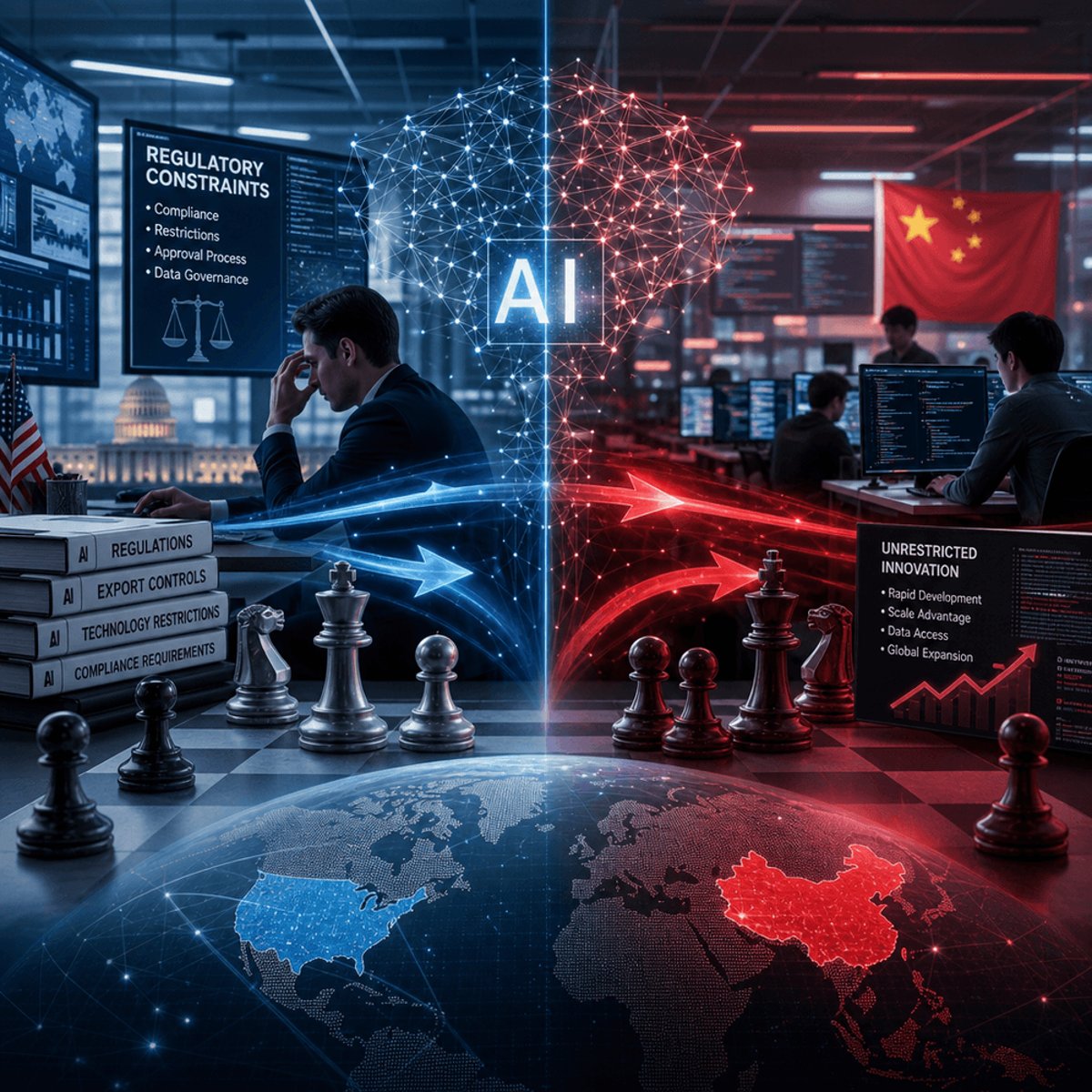
The crackdown comes as China accelerates its own AI development, with companies like Alibaba, Baidu, and ByteDance pouring billions into frontier model research. Unlike their American counterparts, Chinese AI labs face supportive - not restrictive - government policies designed to help them catch up. The asymmetry is stark: US companies get regulatory headwinds while Chinese competitors get tailwinds.
Industry veterans are sounding the alarm. The concern isn't just about Anthropic - it's about the broader signal this sends. If the US government starts restricting its most advanced AI companies while China maintains a hands-off approach to its own labs, the competitive balance could shift faster than anyone expected. We've seen this movie before with semiconductors and 5G, and it didn't end well for American dominance.
The geopolitical stakes are massive. AI leadership isn't just about commercial success - it's about national security, economic competitiveness, and technological sovereignty. Whoever leads in AI will shape everything from military capabilities to global standards. That's why China has made AI a centerpiece of its technology strategy, with explicit goals to match US capabilities by 2030.
Some national security hawks argue restrictions on advanced AI are necessary to prevent potential risks. But critics counter that hobbling American companies doesn't make the US safer - it just ensures that AI breakthroughs happen elsewhere, beyond US oversight and influence. The question is whether regulation can thread the needle between safety and competitiveness.
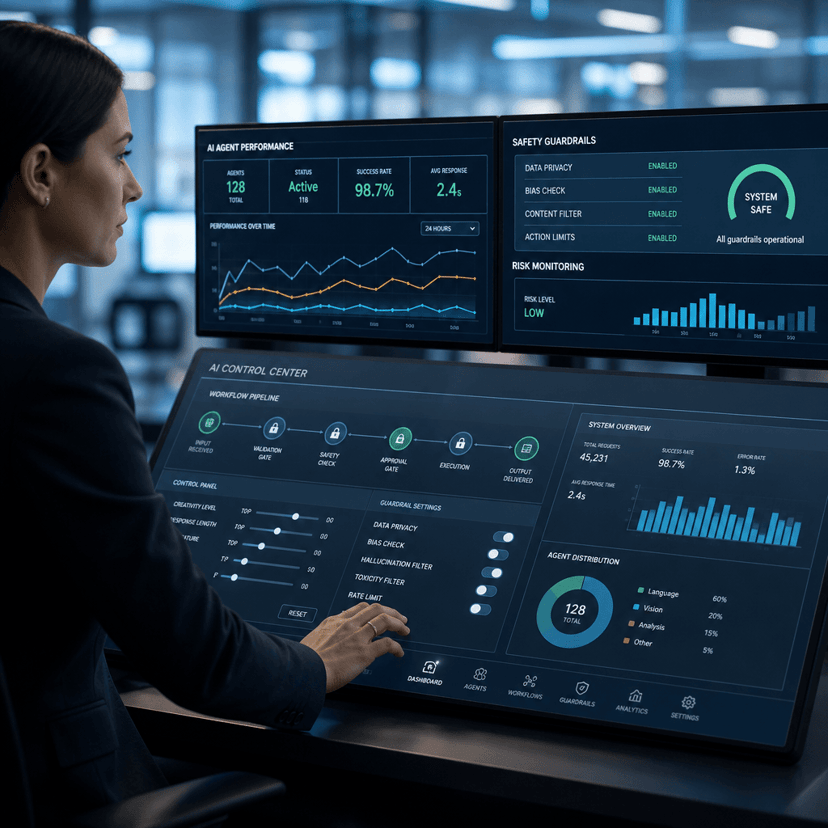
The Trump administration hasn't detailed its rationale for targeting Anthropic specifically. The company has built its reputation on responsible AI development, publishing extensive safety research and implementing guardrails that exceed industry standards. If even the most safety-conscious AI lab faces restrictions, what does that mean for the rest of the industry?
Meanwhile, OpenAI and Google are watching closely. Any precedent set with Anthropic could ripple across the entire AI sector. If the administration extends similar restrictions to other frontier labs, the US risks fragmenting its own AI ecosystem right when unity and speed matter most.
China's response will be telling. Beijing has shown it can move quickly when it sees an opening - whether in electric vehicles, solar panels, or telecommunications equipment. The question now is whether Chinese AI labs can capitalize on any US missteps before American policymakers recalibrate.
The next few months will be critical. Industry groups are likely lobbying hard behind the scenes, arguing that smart regulation means working with companies, not against them. The administration faces a choice: double down on restrictions and risk falling behind, or find a middle path that preserves both safety and competitiveness. Beijing is betting they choose wrong.
The Trump administration's crackdown on Anthropic isn't just another regulatory action - it's a potential inflection point in the global AI race. If restricting American AI leaders while Chinese competitors operate unconstrained becomes the pattern, the US could squander its current advantage faster than most realize. The stakes are enormous, the clock is ticking, and Beijing is paying very close attention to what happens next. How Washington handles this moment will determine whether America maintains its AI edge or hands it away through self-imposed handicaps.