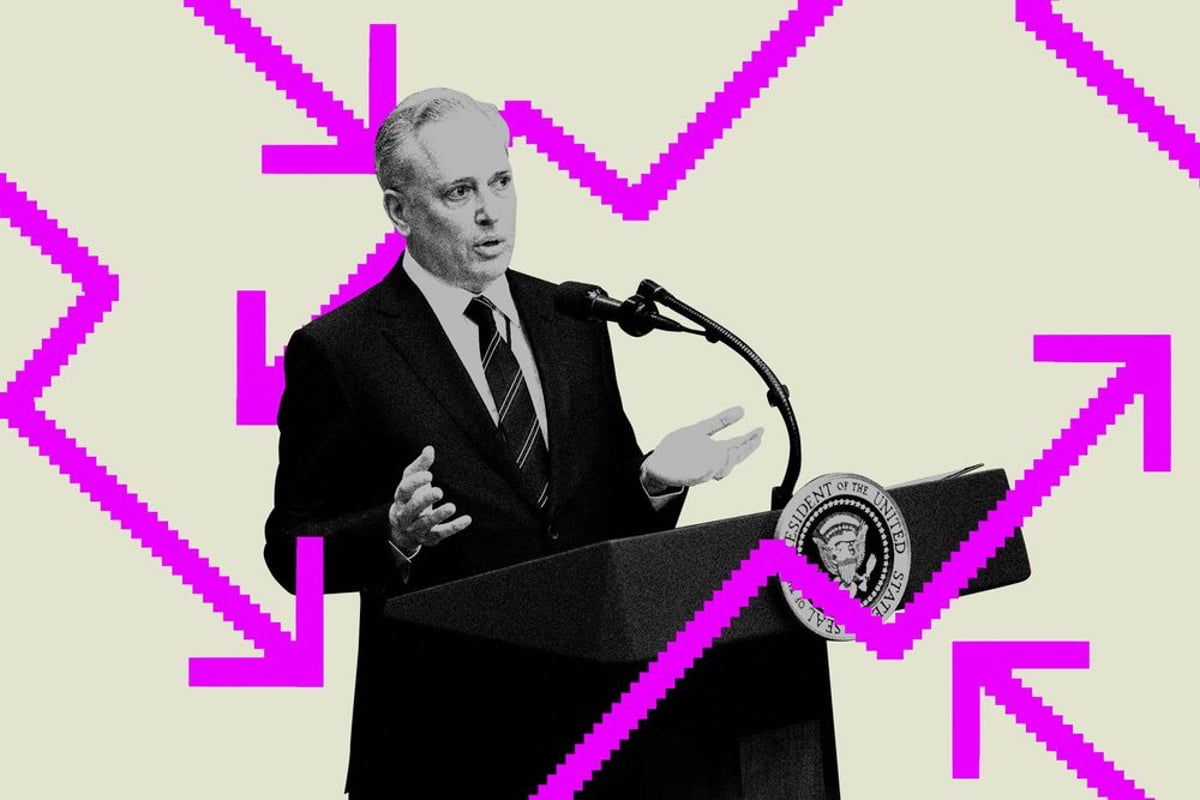
A leaked draft of Trump's AI executive order reveals the most aggressive federal power grab yet against state regulation. The document, obtained by The Verge, shows how the administration planned to weaponize everything from broadband funding to FTC enforcement to crush state AI laws - with tech billionaire David Sacks pulling the strings on every decision.
The tech industry's dream of killing state AI regulation just got exposed in the most brazen way possible. A leaked draft executive order from the Trump administration reveals a coordinated federal assault on states like California that dare to regulate artificial intelligence - and it puts tech billionaire David Sacks at the center of every decision.
The leak itself tells a story. Trump's second-term White House runs on loyalty, not the chaos of anonymous sources that defined his first presidency. When actual documents surface, someone powerful wanted them out there. And this particular draft order gave Sacks, Trump's Special Advisor on AI and Crypto, consultation rights on every single directive - a power play apparently offensive enough to break Trumpworld's code of silence.
The Verge obtained the full draft, which reads like a regulatory hit list targeting state AI laws. The plan doesn't directly ban state regulations - executive orders can't override state law - but creates what legal experts call a "chilling effect" through financial punishment and federal litigation.
The Commerce Department would compile a blacklist of "onerous AI laws" that conflict with federal policy. States making the list face immediate consequences: $42.45 billion in broadband funding from the BEAD program could vanish overnight. But that's just the opening shot.
Section 5(b) of the draft order instructs "all other agencies" to review their discretionary grants for potential withholding from states with targeted AI laws. We're talking hundreds of billions in federal funding - highway money, education grants, everything. As Charlie Bullock from the Institute for Law and AI explained to The Verge, "Even if states succeed in suing, it could take a while for them to get that money. Even the delay in receiving funding could be impactful."
The Department of Justice gets tasked with creating an AI litigation task force specifically to sue states over their AI regulations. Meanwhile, the FTC receives new marching orders to target what the order calls "woke AI laws" - like Colorado's algorithm discrimination protections - by claiming they violate federal consumer protection rules through requiring "untruthful outputs."
Most unusually, the FCC gets dragged into AI regulation despite having no clear authority in the space. The draft directs the FCC chairman to "initiate a proceeding" on federal AI reporting standards that would preempt state laws. Legal experts are baffled by this provision since telecommunications law doesn't cover AI models.
This represents Trump's "shoot first, ask questions about legality later" approach to executive orders. The legal theories underlying most provisions are weak and unlikely to survive court challenges, but the immediate impact could be devastating for states that depend on federal funding.
California, which has been leading state AI regulation efforts, would face the toughest choice: abandon its AI oversight ambitions or fight a prolonged legal battle while federal money dries up. Other states watching California's regulatory experiments might simply abandon their own plans rather than risk federal retaliation.
The order's most revealing aspect isn't its legal strategy - it's the power structure it creates. Every directive includes language requiring agencies to "consult with the Special Advisor for AI and Crypto" before acting. That gives Sacks, a venture capitalist with investments throughout the AI ecosystem, veto power over how the federal government approaches AI regulation.
This isn't just policy - it's industry capture in action. The very companies that would benefit from eliminated state oversight get their preferred advisor placed at the decision-making center of federal AI policy. When tech executives complain about regulatory uncertainty, this is their solution: federal preemption managed by one of their own.
The leak's timing suggests internal resistance to this arrangement. Someone inside the administration looked at Sacks's unprecedented influence and decided the public needed to see how federal AI policy was being shaped by private interests.
States aren't defenseless here. Legal precedent exists for challenging federal attempts to coerce states through funding withholding. The Trump administration previously tried linking highway funding to immigration enforcement cooperation - and lost in federal court. Similar constitutional challenges could emerge if this order materializes.
But the threat alone achieves much of what Big Tech wants. State legislators considering AI bills now face the prospect of losing billions in federal funding. The calculation becomes simple: is regulating AI worth risking essential infrastructure and education money?
This leaked executive order exposes the AI industry's endgame: federal capture that kills state innovation in AI governance. While the legal theories may be shaky, the financial threats are real enough to chill state action. The document reveals how tech billionaires like Sacks are positioned to shape federal policy from the inside, turning government agencies into enforcement arms for industry preferences. States now face a stark choice between regulatory independence and federal funding - exactly the outcome Big Tech has been quietly orchestrating.