The AI revolution just hit a hard limit. Taiwan Semiconductor Manufacturing Company, the world's largest chipmaker and the company behind nearly every cutting-edge AI processor, is struggling to meet surging demand from American customers despite a massive US factory expansion. CEO C.C. Wei's blunt admission after Thursday's shareholder meeting signals a critical supply chain bottleneck that could slow the entire AI industry's growth trajectory for years to come.
Taiwan Semiconductor Manufacturing Company is sending shockwaves through Silicon Valley with a stark warning: the company that makes chips for nearly every major AI player can't keep pace with demand, and there's no quick fix in sight.
"Customer demand is so high, and we can only support so much," CEO C.C. Wei told shareholders Thursday, according to Reuters. "We are doing our best to ensure TSMC does not become a bottleneck." The admission is particularly striking given TSMC's massive expansion efforts, including a multi-billion dollar factory buildout in the United States specifically designed to serve American customers.
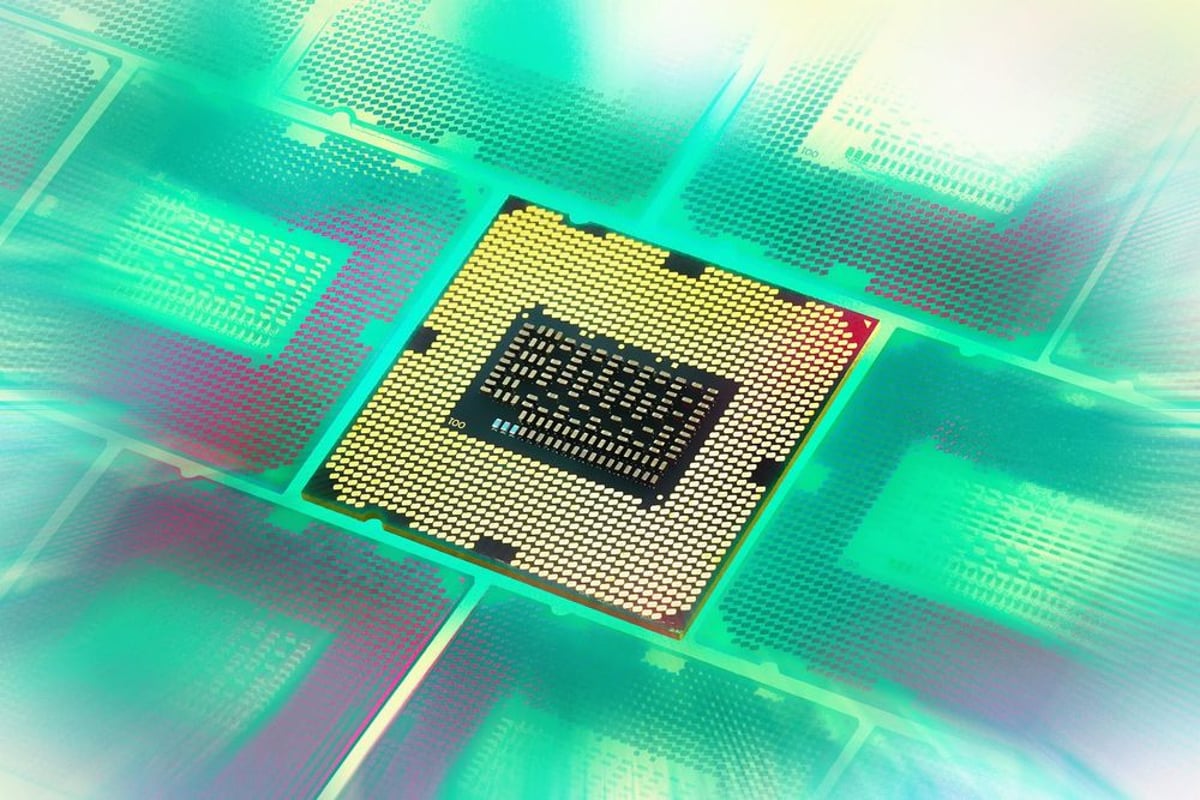
The timing couldn't be worse. Nvidia, Apple, AMD, and virtually every other company racing to dominate the AI hardware market relies on TSMC's cutting-edge manufacturing capabilities. The company controls roughly 60% of the global semiconductor foundry market and produces over 90% of the world's most advanced chips. When TSMC says it's at capacity, the entire industry feels the squeeze.
Wei's comments at the shareholder meeting paint a picture of a company stretched to its limits despite aggressive capacity expansion. Bloomberg reports the supply constraints could persist for years, not quarters. That's a timeline that will force major tech companies to rethink their AI deployment strategies and potentially slow the breakneck pace of innovation that's defined the sector since ChatGPT's breakthrough.
The semiconductor bottleneck compounds what's already becoming a full-blown AI infrastructure crisis. The industry is simultaneously grappling with what analysts are calling "RAMageddon" - a severe shortage of RAM and NAND Flash memory that's driving prices through the roof and constraining everything from smartphones to data center servers. The memory shortage alone is expected to last years, according to industry forecasts.
TSMC's Arizona facilities, which represent one of the largest foreign investments in American manufacturing history, were supposed to alleviate some of the pressure on US customers. But Wei's comments suggest even this massive expansion won't be enough to meet demand. The company is producing chips on its most advanced process nodes - 3-nanometer and 5-nanometer technology - that are essential for AI workloads, but scaling production on these bleeding-edge processes is extraordinarily complex and capital-intensive.
The supply crunch creates a strategic advantage for companies that locked in TSMC capacity early. Apple, known for its aggressive supply chain management, reportedly secured priority allocation for its M-series chips and iPhone processors. That leaves newer AI entrants and smaller players competing for whatever capacity remains.
For Microsoft, Google, and Amazon - all racing to build out AI infrastructure to support their cloud services and proprietary AI models - TSMC's capacity constraints represent a genuine competitive threat. These companies have been ordering custom AI accelerators to reduce their dependence on Nvidia's GPUs, but those chips still need to be manufactured somewhere. If TSMC can't deliver, their AI roadmaps stall.
The situation also highlights the geopolitical fragility of the global chip supply chain. Despite efforts to diversify manufacturing and bring production to the US and Europe, the industry remains overwhelmingly dependent on Taiwan for the most advanced semiconductors. Any disruption to TSMC's Taiwan operations - whether from natural disasters, geopolitical tensions, or manufacturing issues - would instantly cascade through the entire tech sector.
Wei's tone at the shareholder meeting was notably measured but firm. He emphasized TSMC is "doing our best" but stopped short of promising relief is coming soon. The company is already operating its fabs at maximum utilization rates, and building new advanced manufacturing capacity takes years and tens of billions of dollars in capital investment.
Industry analysts are now questioning whether the AI boom might actually slow not because of lack of use cases or demand, but simply because there aren't enough chips to power it. That's a scenario few predicted when OpenAI kicked off the generative AI revolution.
TSMC's capacity crunch represents more than a supply chain hiccup - it's a fundamental constraint on the AI industry's growth trajectory. As the sole manufacturer capable of producing the most advanced chips at scale, TSMC's limitations become the entire sector's limitations. Companies that secured capacity early will accelerate ahead, while those still scrambling for manufacturing slots face delays that could prove strategically devastating in a market moving at AI speed. The semiconductor bottleneck, combined with the ongoing memory shortage, suggests the next phase of AI competition won't be won by whoever builds the best models or raises the most funding, but by whoever locked down their supply chain first. For an industry accustomed to exponential growth, that's a sobering reality check.