The UK just dropped a regulatory bombshell that'll reshape how Meta, TikTok, and Snapchat operate across Europe. Prime Minister Keir Starmer announced a complete social media ban for anyone under 16, following Australia's controversial lead but going even further with restrictions on gaming chat features and AI-powered romantic chatbots. The policy, set to take effect early next year, puts Britain at the forefront of a global child safety crackdown that could force Silicon Valley to fundamentally rethink how it builds products.
Prime Minister Keir Starmer isn't asking questions anymore - he's making demands. "Do we truly believe that social media creates a happy environment for our children? Do we truly believe that it's a place where they can feel safe?" Starmer asked during a press conference announcing the sweeping new policy. "I don't think I even need to answer those questions, do I?"
The rhetorical flourish masks a regulatory hammer that'll hit Meta, TikTok, Snapchat, and X harder than anything they've faced in Europe. Starting early 2027, no one under 16 will be allowed to create accounts or access these platforms from UK IP addresses. But the government didn't stop there - the ban extends to features that weren't even on most regulators' radar six months ago.
Children won't be able to communicate with strangers in online games, effectively neutering the social features that make titles like Fortnite and Roblox so sticky. They're also blocked from livestreaming content and - in what might be the most forward-looking piece of the policy - using "sexual or romantic chatbots." That last provision shows UK regulators are thinking about the AI companion apps that've exploded in popularity, from Character.AI to Replika.
The UK is following Australia's playbook, but regulators in London watched Canberra's messy implementation and decided to go bigger. Australia passed similar legislation last year that caused Meta to briefly threaten pulling Instagram entirely from the country before backing down. The difference? Britain's version explicitly names AI chatbots and gaming features, closing loopholes Australian teens are already exploiting through VPNs and gaming platforms.
For Silicon Valley, this is a nightmare scenario coming to life. Meta generates roughly $4.2 billion annually from UK users, according to analyst estimates. Instagram alone has 30 million UK users, with roughly 4.5 million estimated to be under 16. TikTok doesn't break out UK numbers, but third-party data suggests around 15 million British users, with teens making up a disproportionately engaged segment.
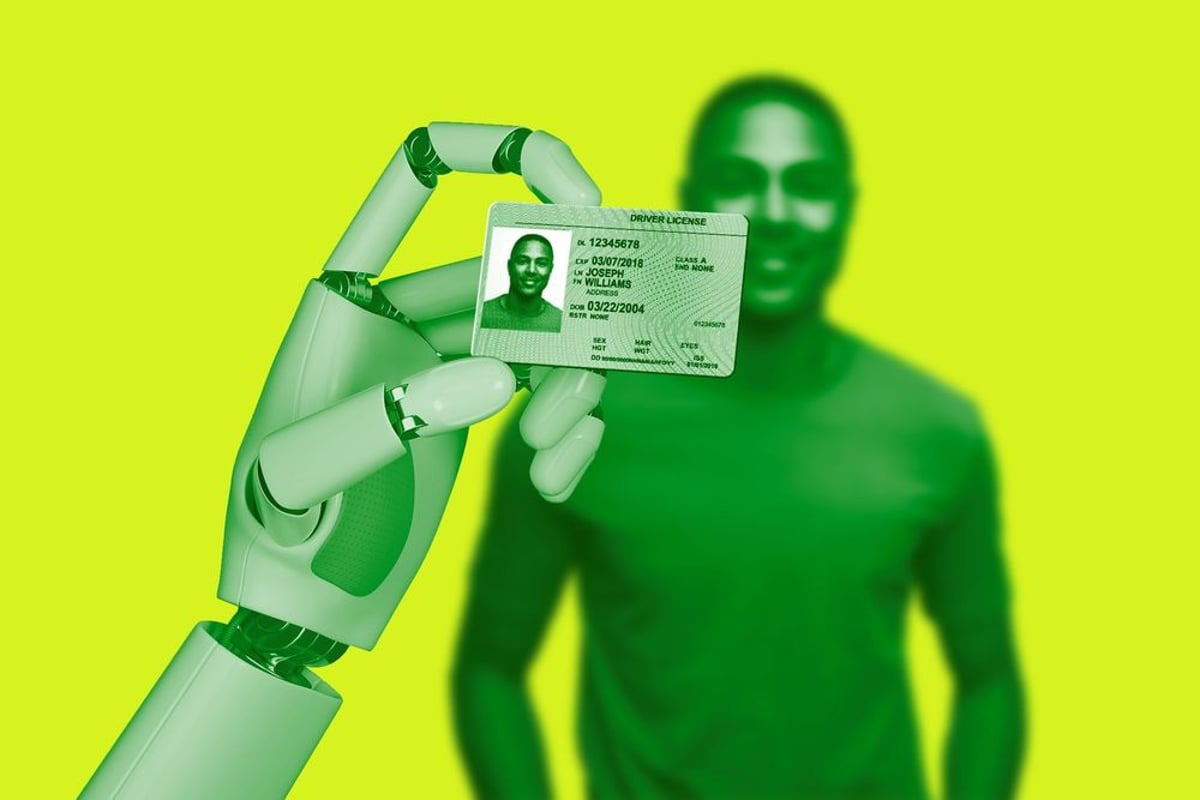
The real headache isn't losing underage users - it's building age verification systems that actually work. Current methods like asking users to input their birthday are laughably easy to circumvent. More robust options like government ID checks or facial recognition AI raise massive privacy concerns that could trigger pushback from adult users who don't want to upload their passport just to scroll Instagram.
Meta has been testing age verification technology in Australia using a third-party service called Yoti, which uses AI to estimate age from selfies. The system claims 99% accuracy for distinguishing adults from minors, but privacy advocates hate it. Now Meta will need to scale that across all UK users or find an alternative that satisfies both regulators and privacy watchdogs.
The gaming industry is in an even trickier spot. Epic Games, Roblox Corporation, and Microsoft (which owns Minecraft) built their entire engagement models around social interaction. Telling a 14-year-old they can play Fortnite but can't talk to their squad is like selling a phone that can't make calls. These companies will need to either implement age verification or create segregated "under-16" servers with neutered features - both expensive propositions.
What makes this particularly thorny is the AI chatbot provision. Companies like Character Technologies (which runs Character.AI) have already faced lawsuits in the US over minors developing unhealthy attachments to AI companions. Britain's government is essentially saying those apps can't operate at all for anyone under 16, even with parental permission. That's a harder line than most AI safety advocates expected.
The policy also sets up a collision course with tech companies' global infrastructure. Meta operates unified platforms - you can't just "turn off" Instagram for UK teens without building entirely new verification layers. That means the cost and complexity of complying with UK law will likely influence how Meta builds products worldwide, similar to how GDPR ended up reshaping privacy practices globally.
Brussels is watching closely. The European Commission has been circling similar policies but hasn't pulled the trigger on an outright ban. If Britain's implementation goes smoothly, expect the EU to follow within 18 months. If it's a disaster of VPN workarounds and privacy breaches, other countries might stick with their current parental control approaches.
The timing is particularly interesting given ongoing debates about AI safety and children's mental health. Instagram's own internal research (leaked in 2021) showed the platform knew it was harmful to teenage girls' mental health. TikTok faces constant scrutiny over its algorithm's effect on young users. Adding AI chatbots into the mix - which can form parasocial relationships that feel real - gave Starmer the political momentum to push through a policy that would've seemed extreme two years ago.
Enforcement remains the big question mark. Australia's ban includes fines up to $32 million for violations, but hasn't penalized anyone yet. The UK government hasn't announced specific penalties, but given how aggressively Ofcom (the UK communications regulator) has gone after tech companies over other issues, expect meaningful enforcement teeth. Companies that try to skirt the rules will face real consequences.
This isn't just another regulatory speed bump - it's a fundamental rethinking of how children interact with digital platforms. Whether you think Starmer's protecting kids or engaging in tech panic overreach, the consequences will ripple far beyond Britain's borders. Every major social platform now faces a choice: build expensive age verification systems that might crater adult engagement, or abandon youth markets entirely. The next 12 months will determine whether this becomes the new global standard or a cautionary tale about regulation outpacing technology. Either way, the era of asking teens to check a box saying they're 13 is definitively over.