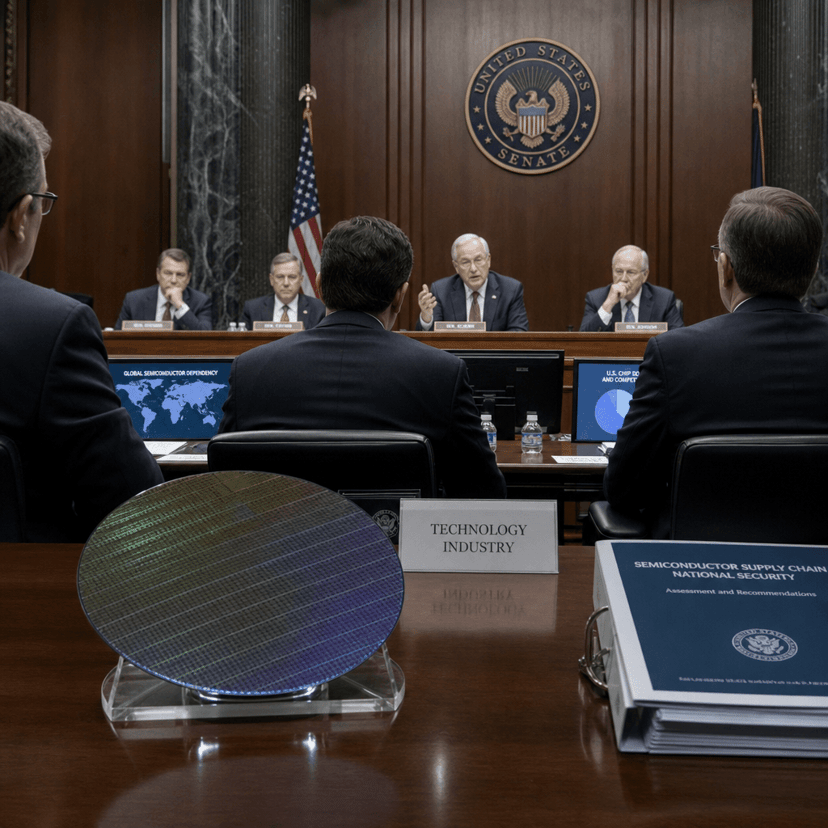
The US government is considering a dramatic expansion of its semiconductor export controls that would give it oversight of AI chip sales globally, regardless of where they're manufactured. According to a draft proposal reported by TechCrunch, the move would mark an unprecedented assertion of American influence over the worldwide chip supply chain, potentially affecting every major AI infrastructure deal from Seoul to Amsterdam. The proposal comes as the Trump Administration tightens its grip on advanced technology exports amid escalating concerns over AI development in China and other strategic rivals.
The US government is quietly drafting what could become the most expansive semiconductor export control regime in history. According to sources familiar with the proposal reported by TechCrunch, Washington wants a seat at the table for every advanced AI chip sale worldwide, not just those involving American companies or US-origin technology.
The draft framework would fundamentally alter how Nvidia and AMD do business internationally. Instead of navigating export rules only when selling chips manufactured or designed in America, these companies would need US government clearance for sales originating from fabrication plants in Taiwan, South Korea, or anywhere else. It's an audacious claim of extraterritorial authority that's already raising eyebrows in allied capitals.
The timing isn't accidental. The proposal arrives as the AI arms race intensifies and countries scramble to secure access to the high-performance chips that power large language models and other advanced AI systems. China's rapid progress in AI development, despite previous export restrictions, has convinced some policymakers that current controls aren't working. The solution, apparently, is to go bigger.
What makes this different from existing export controls is the scope. Current US restrictions focus on American-made technology or products incorporating certain US components. This new framework would assert control based on the chip's capabilities and end use, regardless of where it's made. If a country wants to buy advanced AI accelerators, even from a non-US manufacturer, Washington would have approval authority.
The semiconductor industry is watching nervously. Nvidia has already navigated multiple rounds of tightening restrictions, creating specialized chip variants for the Chinese market that meet export control thresholds. Those workarounds could become irrelevant if the US can block sales of any comparable chips, wherever they're produced. AMD faces similar challenges as it tries to compete in the lucrative AI accelerator market.
The proposal's legal mechanism remains unclear from the leaked details. International trade law doesn't typically allow one country to regulate commerce between two other nations. The US would likely need to leverage its influence over chip design tools, manufacturing equipment, or other chokepoints in the semiconductor supply chain. American companies like Applied Materials and Lam Research dominate the equipment needed to fabricate advanced chips, giving Washington potential leverage.
But allies are likely to bristle at what they'll see as overreach. South Korea and Taiwan, home to Samsung and TSMC respectively, have their own national interests in the chip trade. Japan's semiconductor industry is experiencing a renaissance with government backing. European nations are investing billions in domestic chip production. None of these governments signed up to have Washington approve their export decisions.
The draft also raises questions about enforcement and compliance. Would countries need to report chip sales to US authorities? What penalties would apply for violations? How would the government differentiate between AI chips that warrant controls and less capable processors? The details matter enormously, but they're not yet public.
Industry sources suggest the proposal is still in early stages, with significant internal debate about its feasibility and wisdom. The Commerce Department's Bureau of Industry and Security, which administers export controls, would likely take the lead on implementation. But State Department officials worried about allied relations and Commerce officials concerned about competitiveness are reportedly pushing back.
The Trump Administration has shown it's willing to use economic tools aggressively in pursuit of national security objectives. Previous tariffs, export bans, and investment restrictions have demonstrated a tolerance for disrupting established trade patterns. This chip proposal would fit that pattern, but at a scale that could reshape global technology commerce.
What happens next depends partly on industry and international reaction. If the proposal leaks more fully, expect vigorous lobbying from chip companies, equipment manufacturers, and foreign governments. The Semiconductor Industry Association will likely argue that overreach could backfire, encouraging countries to bypass American technology entirely. That's already happening in China, where billions are flowing into domestic chip development.
The geopolitical stakes are massive. Controlling access to AI chips means controlling who can build cutting-edge AI systems. That includes military applications, surveillance technology, and economic advantages from AI-powered productivity. Washington clearly believes it needs more leverage over these decisions, even if it means testing relationships with allies and partners who also make and sell chips.
The draft proposal represents a pivotal moment in technology policy, where national security concerns collide with global commerce realities. If implemented, these controls would mark the most significant assertion of American influence over the semiconductor trade since the industry's founding. But the plan's success depends on cooperation from allies, compliance from industry, and legal frameworks that don't yet exist. For now, chip companies and foreign governments are holding their breath, waiting to see if this trial balloon becomes policy or deflates under the weight of practical and diplomatic challenges. What's certain is that the AI chip trade will never be purely commercial again.