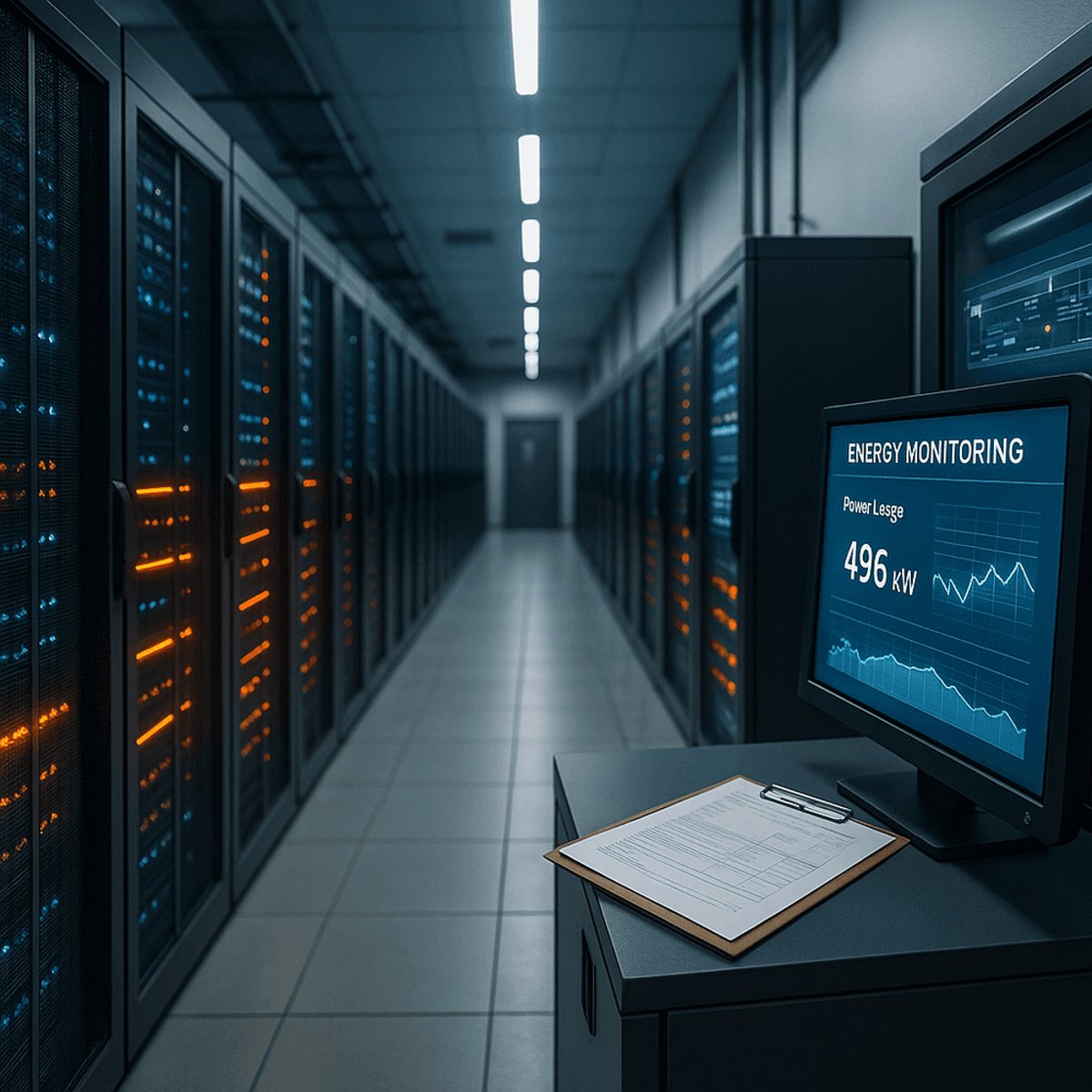
An unusual bipartisan alliance is pushing for unprecedented transparency in Big Tech's energy consumption. Senators Elizabeth Warren and Josh Hawley sent a letter Thursday morning demanding the Energy Information Agency mandate annual electricity disclosure for data centers, a move that could expose just how much power the AI boom is actually consuming. The timing isn't subtle - as Amazon, Microsoft, Google, and Meta race to build massive AI infrastructure, their energy appetprint remains largely hidden from public view.
Washington just fired a warning shot across Big Tech's data center empire. In a rare show of bipartisan unity, progressive firebrand Elizabeth Warren and conservative populist Josh Hawley are demanding answers about something the industry has kept remarkably quiet - exactly how much electricity these massive AI factories are consuming.
The letter to the Energy Information Agency landed Thursday morning with a straightforward ask: mandate annual electricity disclosure for data centers. It's a simple request with potentially explosive implications for Amazon, Microsoft, Google, and Meta, all of which have been pouring billions into AI infrastructure while keeping their energy bills largely opaque.
The timing tells you everything. As the AI arms race accelerates, data centers have become the new oil fields - massive, power-hungry operations that companies prefer to discuss in vague terms about "sustainability commitments" rather than actual megawatt hours. Industry estimates suggest data centers already consume about 2% of total U.S. electricity, but nobody knows the real number because companies aren't required to say.
That's exactly what Warren and Hawley want to change. The EIA currently collects energy data from various sectors but doesn't specifically break out data center consumption in a consistent, mandatory way. The senators are pushing to change that, arguing that as these facilities expand to support AI training and inference, the public deserves to know the environmental cost.
The political calculus here is fascinating. Warren's been hammering Big Tech on antitrust and worker issues for years, while Hawley has made tech accountability a signature issue from the right. Data center energy consumption sits at the intersection of climate policy, economic transparency, and tech regulation - a rare issue that can unite populists across the aisle.
For the hyperscalers, this represents a new front in the regulatory battle. Microsoft has already faced scrutiny for its water usage at data centers, while Google has acknowledged that AI is making its carbon neutrality goals harder to hit. Mandatory disclosure would remove their ability to frame the narrative and force hard numbers into public view.
The backdrop makes this even more urgent. Amazon just announced plans for massive new data center clusters to support AWS AI services. Meta is building out infrastructure for its next-generation AI models. Every major tech company is in an infrastructure arms race, and electricity is the ammunition.
What's not clear is whether the EIA has the authority to mandate this without new legislation, or if Warren and Hawley are laying groundwork for a bill. Either way, the letter signals that data center energy consumption is moving from environmental advocacy circles into mainstream political debate.
The industry's response so far has been silence, which is telling. These companies have gotten comfortable talking about renewable energy purchases and power purchase agreements, but actual consumption data? That's stayed mostly internal. Mandatory disclosure would change the conversation from aspirational carbon goals to hard accountability.
This also comes as utilities in Virginia, Texas, and other data center hubs are warning about grid strain. Local communities are starting to push back against new facilities, and energy regulators are asking harder questions about who's going to pay for the infrastructure upgrades needed to power the AI boom.
The letter doesn't just ask for disclosure - it's a signal that political pressure on AI infrastructure is escalating. Between this and recent proposals to tax data centers to fund worker retraining programs, Washington is clearly waking up to the physical footprint of the AI revolution.
Warren and Hawley's push for mandatory energy disclosure isn't just about environmental transparency - it's the opening move in what could become a much broader regulatory reckoning for AI infrastructure. As data centers multiply to feed the AI boom, the question of who pays for the power and environmental cost is shifting from technical circles to the political arena. For the hyperscalers, the era of building in the shadows might be ending. The real question now is whether other senators join this bipartisan effort, and whether the EIA acts before Congress forces its hand.