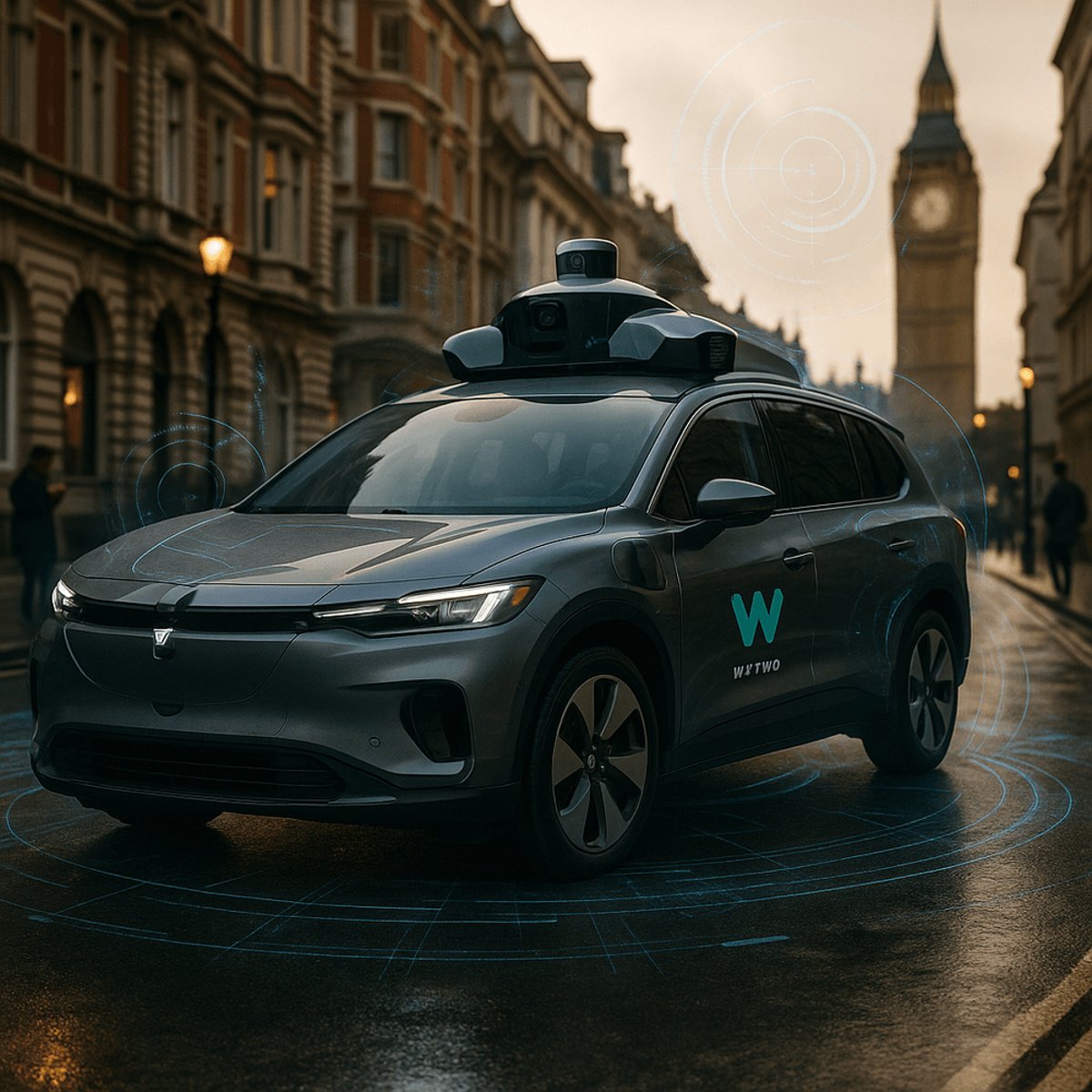
Waymo is bringing its autonomous vehicles to London, marking the company's first major expansion outside the U.S. The Google-owned robotaxi pioneer has begun testing its self-driving fleet on London streets, setting the stage for what could become the UK's first commercial autonomous ride-hailing service. The move signals Waymo's confidence in navigating London's notoriously complex road network - and its bet that UK regulators will greenlight paid robotaxi rides in one of Europe's most congested cities.
Waymo just made its most ambitious international move yet. The self-driving car company owned by Google parent Alphabet has started testing autonomous vehicles on London streets, according to reports from TechCrunch. It's a bold play that could reshape Europe's transportation landscape - if UK regulators play along.
The testing phase marks Waymo's first serious expansion beyond its U.S. strongholds in San Francisco, Phoenix, Los Angeles, and Austin. London presents a radically different challenge than sunny Arizona or grid-pattern American cities. We're talking about narrow medieval streets, roundabouts every few blocks, and drivers who navigate on the left side of the road. Not to mention cyclists, double-decker buses, and pedestrians who treat crosswalks as mere suggestions.
Waymo's commercial service will eventually follow the testing period, but there's a significant catch - the company needs explicit approval from the UK government before it can start charging passengers for rides. That regulatory green light isn't guaranteed, despite the UK positioning itself as friendly to autonomous vehicle innovation in recent years. The country has been working on updated legislation to allow self-driving services, but the approval process for commercial operations remains untested.
The timing is strategic. European cities have been slower than their American counterparts to embrace robotaxis, creating an opening for whoever moves first. Waymo has logged millions of autonomous miles in the U.S., giving it a technical edge over European startups still in early development. By establishing a London presence now, Waymo positions itself as the default option when UK regulations catch up to the technology.
London's transport ecosystem is about to get more interesting. The city already runs one of the world's most sophisticated public transit networks, with the Underground moving millions daily. Add in traditional black cabs, Uber, and an expanding bike-share system, and you've got intense competition for road space and passenger attention. Waymo will need to prove its robotaxis offer something beyond novelty - whether that's lower costs, better availability, or superior safety records.
The technical hurdle shouldn't be underestimated. Waymo's AI systems, trained primarily on American roads, must adapt to completely different driving conventions. Right-hand turns become left-hand turns. Traffic flows counterclockwise around roundabouts. Road signs use different symbols and measurements. The company's sensor arrays and machine learning models will need extensive retraining to handle these variations reliably.
For Google, this expansion represents more than just adding another city to Waymo's map. It's a statement that autonomous vehicles can work anywhere, not just in autonomous-friendly American Sun Belt cities with wide roads and minimal rain. London's weather alone - frequent rain, occasional snow, and fog that can reduce visibility to meters - will stress-test Waymo's sensors in ways Phoenix never could.
The competitive landscape is heating up too. While Waymo leads in the U.S., Chinese companies like Baidu's Apollo have been aggressively expanding their own robotaxi services across Asia. European regulators are watching closely to see which technology proves most reliable and safe. A successful London deployment could open doors across the EU, while failures could set back the entire industry's European ambitions.
What happens next depends largely on how quickly Waymo can demonstrate safety and reliability to UK authorities. The testing phase will generate mountains of data - every journey, every edge case, every interaction with London's chaotic traffic patterns. That data becomes the evidence base for regulatory approval.
Waymo's London testing represents a pivotal moment for autonomous vehicles beyond American borders. If the company can crack London - with its medieval street layouts, left-side driving, and unpredictable weather - it proves robotaxis work anywhere. The UK government holds the keys to commercial launch, but Waymo's betting that demonstrated safety will open those regulatory doors. For Londoners, the future of transportation just got a lot more interesting. Keep an eye on how quickly these tests progress and whether other cities follow London's lead in welcoming autonomous trials.