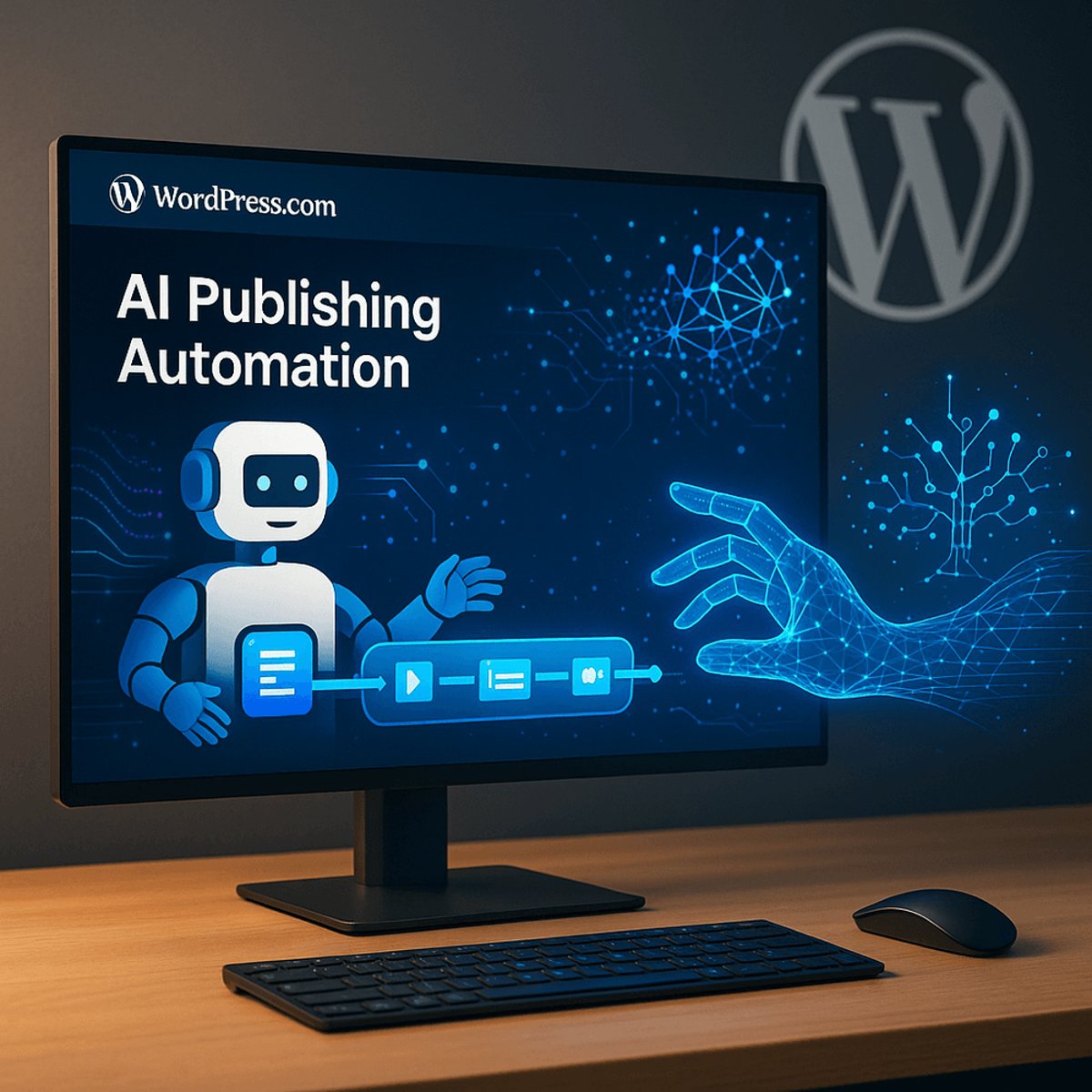
WordPress.com just opened the floodgates to autonomous AI publishing. The platform now allows AI agents to independently write and publish content across its millions of sites, marking a pivotal shift in how the web's content gets created. The move could democratize publishing for businesses lacking resources, but it also raises urgent questions about content authenticity as machine-generated posts potentially flood the internet.
WordPress.com just made a bet that could reshape the entire web publishing landscape. The platform announced today it's enabling AI agents to autonomously write and publish content - no human review required. It's a bold move from Automattic, the company behind WordPress.com, that puts powerful automation tools in the hands of millions while potentially accelerating the web's shift toward machine-generated content.
The timing is no accident. As businesses scramble to maintain consistent online presence amid rising content demands, AI-powered publishing tools have moved from experimental to essential. WordPress.com is betting that lowering the technical barriers to content creation will keep its platform competitive against newer, AI-native publishing tools that have been eating into its market share.
Here's what's actually changing: Site owners can now connect AI agents directly to their WordPress.com accounts through a new API. These agents can draft posts, optimize them for SEO, schedule publication times, and hit publish - all without a human in the loop. The system supports multiple AI models, giving users flexibility in choosing their preferred content generation engine. For small businesses juggling limited resources, that's potentially transformative. For critics worried about content authenticity, it's a nightmare scenario.
The implications ripple far beyond WordPress.com itself. WordPress powers roughly 43% of all websites on the internet, according to W3Techs. While WordPress.com represents just a fraction of that ecosystem - the self-hosted WordPress.org version dominates - this feature could quickly spread. If it proves successful, expect similar capabilities to emerge for self-hosted installations through plugins and third-party integrations.
"We're seeing massive demand from businesses that want to maintain fresh content but don't have dedicated writers," according to sources familiar with Automattic's product strategy. The company has been testing AI writing assistants for months, but this marks the first time it's enabling fully autonomous publishing. That shift from AI-as-assistant to AI-as-publisher represents a fundamental change in how WordPress thinks about content creation.
The competitive landscape just got more complicated for traditional content management systems. Webflow, Squarespace, and other modern website builders have been racing to integrate AI features. WordPress.com's move puts pressure on these platforms to match or exceed its automation capabilities. Meanwhile, AI-native publishing platforms have been arguing they're better suited for this future - now they face an incumbent with massive distribution suddenly matching their core feature set.
But the feature arrives with significant baggage. Search engines, particularly Google, have been grappling with how to handle AI-generated content. The company's search guidelines don't explicitly penalize machine-written text, but they emphasize helpful, trustworthy content created for people, not search engines. Flooding WordPress.com sites with autonomous AI posts could trigger closer scrutiny from Google's algorithms, potentially hurting the very sites trying to benefit from easier publishing.
Content authenticity concerns loom even larger. Publishers and platforms have been wrestling with disclosure requirements for AI-generated material. WordPress.com hasn't announced whether it will require or enable automatic labeling of AI-authored posts, leaving that decision to individual site owners. That hands-off approach could make it nearly impossible for readers to distinguish human from machine authorship as they navigate the web.
The feature also raises questions about liability and quality control. If an AI agent publishes factually incorrect information or potentially harmful content, who's responsible? WordPress.com's terms of service place liability on site owners, but the ease of autonomous publishing could outpace users' ability to monitor what's going live under their name. For businesses, that's a real risk that requires careful guardrails and monitoring systems.
Some publishers see opportunity rather than threat. Marketing teams stretched thin across multiple channels could use AI agents to maintain blog schedules, post product updates, or share company news without adding headcount. E-commerce sites could automatically generate product descriptions and buying guides. News aggregators could curate and summarize content from multiple sources. The use cases multiply quickly once humans step out of the publishing workflow.
Yet industry veterans remember previous waves of automated content that degraded web quality. SEO spam farms, content mills, and automated scraping operations have repeatedly forced platforms and search engines to crack down on low-quality, mass-produced text. WordPress.com's AI agents are far more sophisticated than those earlier systems, but the fundamental tension remains: automation at scale versus content quality and authenticity.
Automattic hasn't disclosed pricing for the AI agent features, though sources suggest it will integrate with existing WordPress.com paid tiers rather than requiring separate subscriptions. That pricing strategy would make the capability widely accessible rather than limiting it to enterprise customers - a choice that could accelerate adoption but also increases the potential for widespread impact on web content quality.
WordPress.com's embrace of autonomous AI publishing represents a defining moment for the web's content ecosystem. The feature could genuinely democratize publishing for resource-strapped businesses while simultaneously accelerating the flood of machine-generated content across the internet. How this plays out depends largely on how site owners use these tools, how search engines respond, and whether the industry develops effective standards for disclosure and quality. What's certain is that the barrier to publishing just dropped dramatically - and the consequences of that shift will reverberate across the web for years to come.