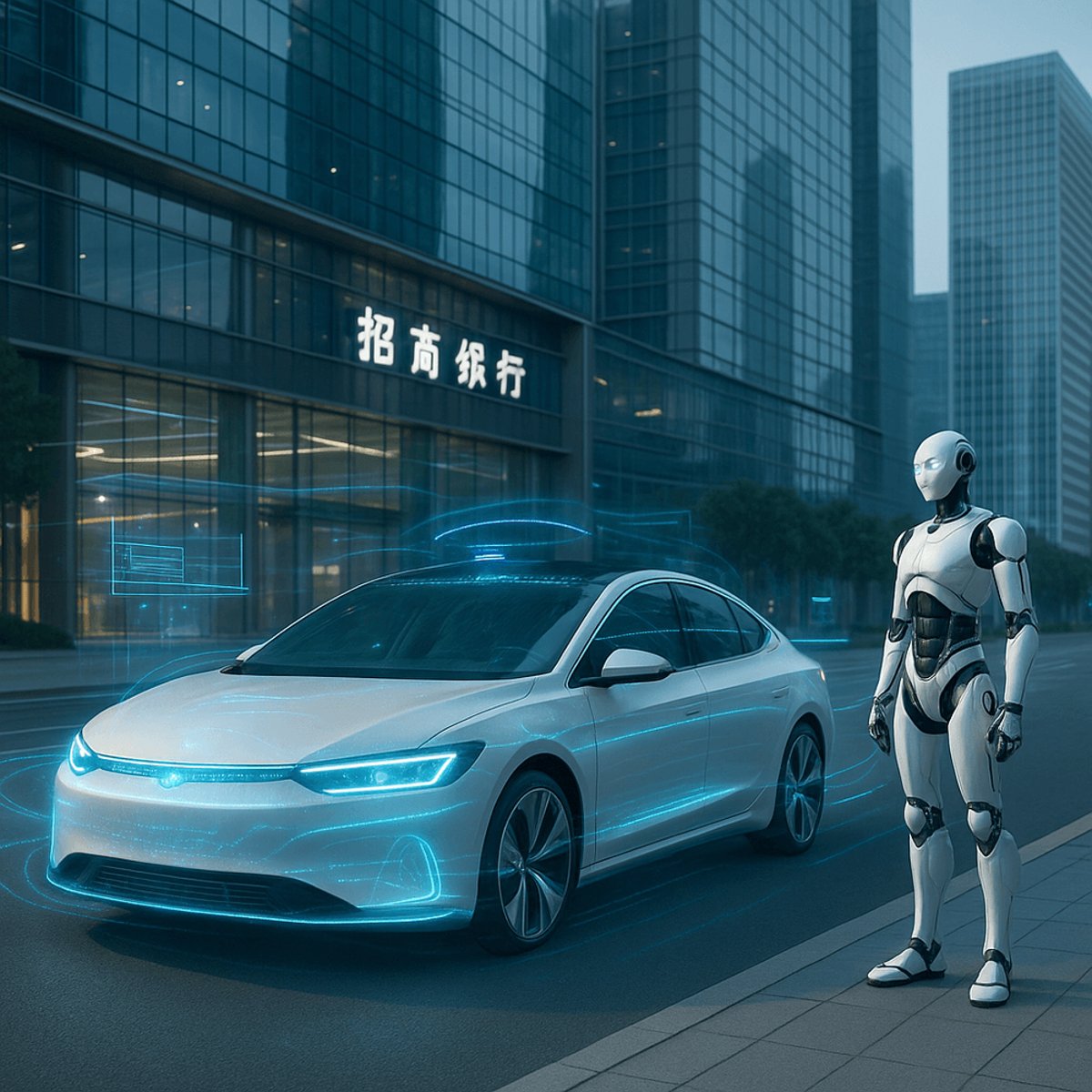
Chinese EV maker Xpeng just threw down the gauntlet against Tesla with a bold expansion into robotaxis and humanoid robots, powered by its own AI chips. The Guangzhou-based company revealed three robotaxi models and a second-generation humanoid robot at its AI Day event, marking a dramatic shift from its earlier skepticism about autonomous vehicle commercialization just 18 months ago.
Xpeng just made its biggest bet yet against Tesla - and it's happening faster than anyone expected. The Chinese EV maker unveiled three robotaxi models and a humanoid robot at its AI Day event in Guangzhou, signaling a dramatic pivot from cautious skeptic to aggressive competitor in the autonomous vehicle race.
The timing couldn't be more provocative. Just 18 months after Co-President Brian Gu told CNBC that robotaxis "wouldn't become a significant business for at least five years," Xpeng is now promising commercial deployment in 2026. "The tech is happening faster than we anticipated," Gu admitted during Wednesday's presentation, acknowledging the company's complete about-face on autonomous vehicles.
Powering this ambitious timeline are Xpeng's self-developed Turing AI chips - four of them per robotaxi, delivering what the company claims is 3,000 TOPS of computing power, potentially the highest in-car AI performance globally. These semiconductors run Xpeng's second-generation "vision-language-action" model, an AI system that processes visual cues and environmental data to make real-time driving decisions.
Alibaba immediately jumped aboard, announcing a partnership that will integrate Xpeng's robotaxis into its AutoNavi mapping platform and Amap ride-hailing service. The deal gives Xpeng instant access to millions of potential riders across China's biggest cities, starting with testing in Guangzhou next year.
But Xpeng isn't just chasing Tesla's Cybercab - it's gunning for the Optimus robot too. The company's second-generation Iron humanoid robot will enter mass production next year, though CEO He Xiaopeng was refreshingly realistic about its limitations. "It's too costly to use them in factories given the low price of labor in China," he said, instead positioning the robots as tour guides, sales assistants, and office helpers.
The Iron robot runs on three Turing chips and solid-state batteries, with customization options for body shape and hair style - a consumer-friendly touch that signals Xpeng's eventual household ambitions despite He's current skepticism. The CEO made a bold prediction: Xpeng will sell more robots than cars over the next decade.
This puts Xpeng in direct competition with Chinese robotaxi leaders Pony.ai, WeRide, and Baidu, all of which have already launched public robotaxi services in select Chinese cities. Tesla's own robotaxi program launched in parts of Texas this year, but Xpeng's integrated approach - combining EVs, robotaxis, and humanoid robots under one roof - mirrors Elon Musk's broader AI vision.
"What we are pursuing from a tech and product perspective, there are some similarities with Tesla," Gu said. "There are some areas that we probably started earlier than Tesla," he claimed, pointing to flying cars and humanoid robots. But he admitted Tesla has done a "better and more high-profile job" at marketing its commercialization plans.
That marketing gap is exactly what Xpeng is trying to close. The company's AI Day event felt like a direct response to Tesla's robotaxi reveal, complete with live demonstrations and bold timelines. Unlike Tesla's prototype-heavy approach, Xpeng is promising actual production and deployment within 18 months.
The broader implications extend beyond just another Tesla competitor. Xpeng's rapid timeline suggests Chinese AI development is accelerating faster than Western observers anticipated, potentially reshaping the global autonomous vehicle race. With Chinese companies like Pony.ai and WeRide already expanding internationally, Xpeng's entry adds another well-funded player with manufacturing scale and AI expertise.
Xpeng's aggressive timeline represents more than just another Tesla challenger - it signals how quickly Chinese AI capabilities are advancing and reshaping global competition. With Alibaba's backing, self-developed chips, and production-ready humanoid robots, Xpeng is positioning itself as a comprehensive AI company that happens to make cars. The real test will be execution: can they deliver on these ambitious promises while Tesla and Chinese rivals race toward the same finish line? For investors and industry watchers, Xpeng's AI Day marks the moment when Chinese EV companies stopped following Tesla's playbook and started writing their own.