Willow, a Y Combinator-backed voice AI startup, just launched its iOS keyboard app that lets users dictate across every iPhone and iPad app with full editing capabilities. The Stanford dropout founders raised $4.5 million and are seeing 50% monthly user growth, positioning themselves against well-funded competitors like Wispr Flow in the exploding voice interface market.
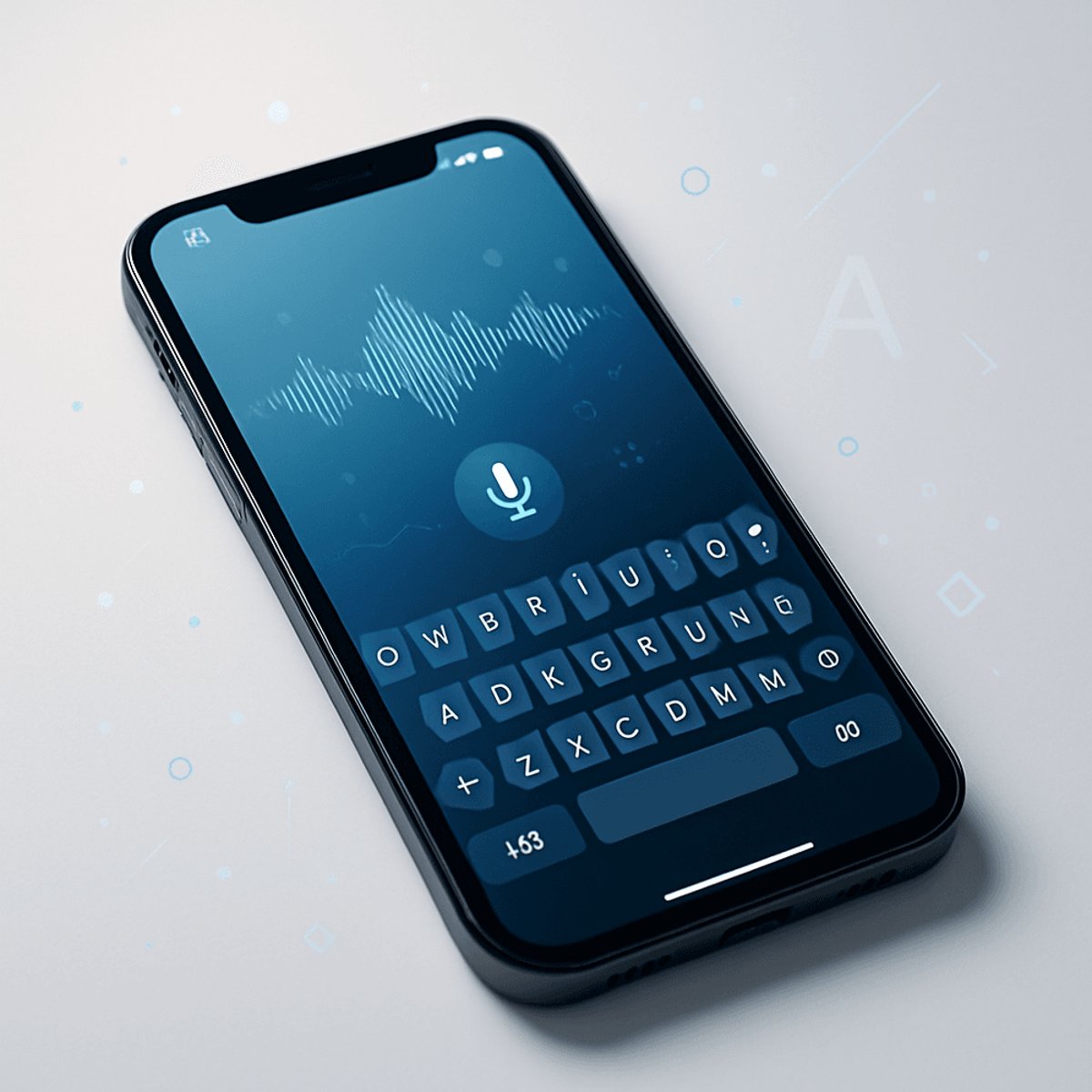
Voice AI just got a major boost on iOS. Willow, a Y Combinator-backed startup, launched its voice keyboard app that brings AI-powered dictation to every iPhone and iPad app - with a twist that sets it apart from the competition.
Unlike existing solutions, Willow combines voice transcription with a full QWERTY keyboard, letting users seamlessly switch between speaking and typing without changing keyboards. The app supports over 100 languages and uses Meta's Llama models for contextual formatting and personalization.
"While we were working on healthcare solutions, we noticed that doctors have voice AI scribes that record conversations with patients and create documents for follow-ups," co-founder Allan Guo told TechCrunch. "This nudged us to build a voice AI tool for knowledge workers and other users."
The founding story reads like a classic Silicon Valley pivot. Guo and co-founder Lawrence Liu dropped out of Stanford and initially focused on healthcare software for assisted living facilities. When that didn't stick, they spent a year exploring different ideas before landing on voice dictation.
The timing couldn't be better. Modern AI models have dramatically improved voice recognition accuracy, creating opportunities for startups to challenge Apple's built-in dictation tools. Willow's key differentiator is its hybrid approach - users can dictate, then immediately edit with the full keyboard instead of switching between interfaces.
Guo chose to avoid the saturated AI notetaking market, instead targeting everyday communication that happens outside meetings. The company uses multiple models in its pipeline, with heavy focus on text-to-text processing for formatting and personalization.
Since launching, Willow has achieved 50% month-over-month user growth and secured enterprise customers including Uber, Heidi Health, and Zeg. These companies use custom vocabulary features for team-specific dictation needs.
The startup raised $4.5 million from Box Group, Y Combinator, Burst Capital, and impressive angel investors including HubSpot's Dharmesh Shah, Reddit co-founder Alexis Ohanian, and Instacart co-founder Max Mullen.
"I was really impressed with Allan's vision around not just creating a great dictation app but, long term, aiming for creating an interface that can control your computer," Mullen said. "When I am writing through Willow, I need to make fewer edits than I had to with a computer's built-in dictation system."
Willow faces significant competition in the voice AI space. Wispr Flow has raised over $56 million and offers similar functionality, though with only a numeric keyboard for edits. Other Y Combinator companies like Aqua, Talktastic, Superwhisper, and Betterdictation are also attacking the dictation market from different angles.
The desktop version includes a "Hey Willow" assistant that can write email replies in the user's voice style, pointing toward more ambitious AI interface goals. This voice-first computing vision aligns with investor predictions about future user interfaces.
Guo plans platform expansion to Windows and Android in coming months, plus improved personalization to reduce manual editing. The roadmap suggests Willow sees dictation as just the starting point for broader voice-controlled computing.
Willow's iOS launch represents the next evolution of voice interfaces, combining AI accuracy with practical editing capabilities that existing solutions lack. With strong investor backing, rapid user growth, and enterprise traction, the startup is well-positioned to challenge both built-in dictation tools and well-funded competitors. The real test will be execution on their broader vision of voice-controlled computing as the race for the next generation of user interfaces intensifies.