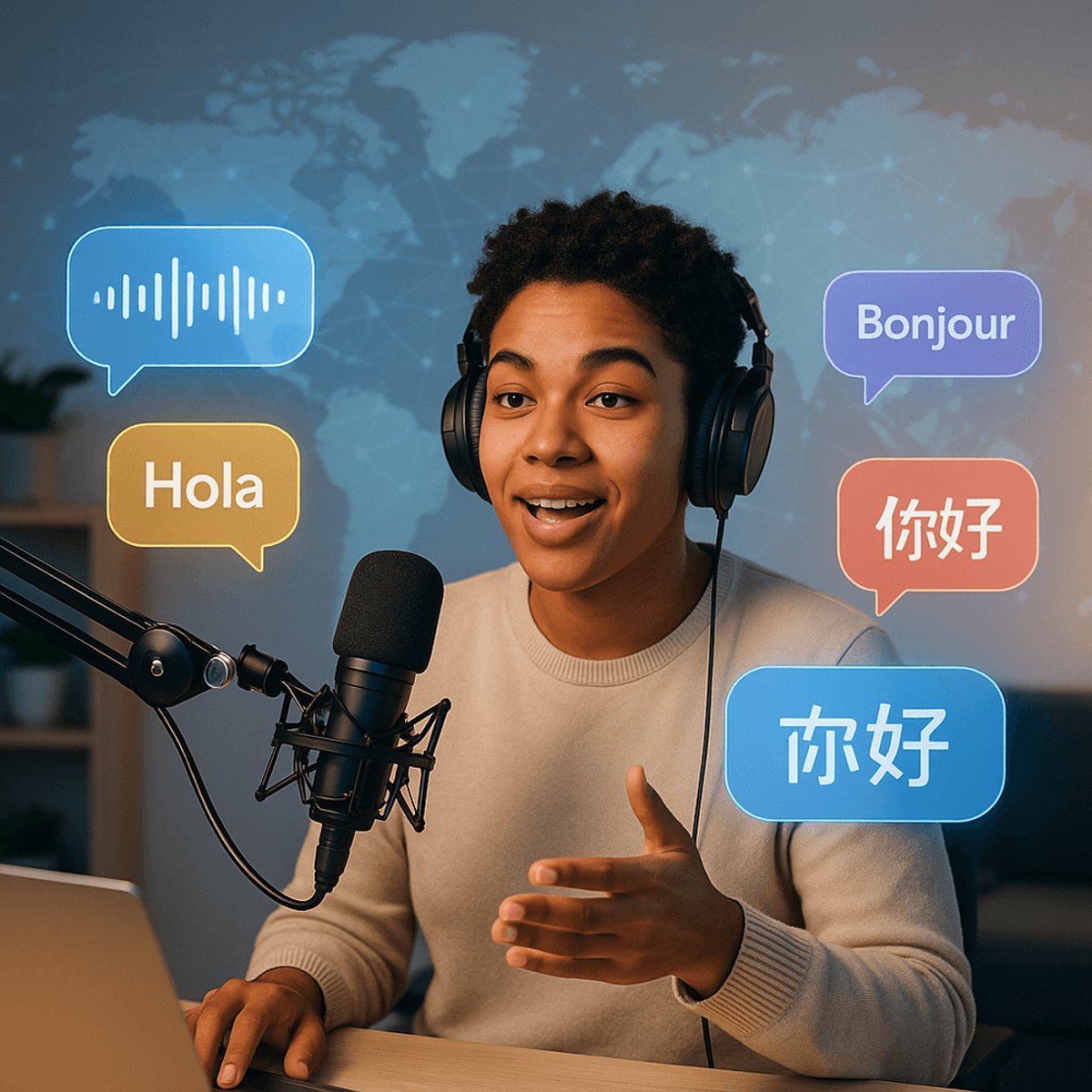
YouTube just democratized global content creation. The platform's AI-powered multi-language audio feature is rolling out to millions of creators after a two-year pilot that saw channels like Jamie Oliver triple their international viewership. The move positions YouTube as the first major platform to offer automated dubbing at scale, potentially reshaping how creators monetize international audiences.
YouTube just handed millions of creators the keys to global expansion. The platform's multi-language audio feature officially launched Wednesday after a two-year pilot that delivered results too compelling to ignore - creators saw over 25% of their watch time coming from international audiences, with celebrity chef Jamie Oliver's channel tripling in views.
The timing couldn't be more strategic. As TikTok faces regulatory headwinds and Meta doubles down on short-form video, YouTube is weaponizing AI to solve creators' biggest monetization challenge: language barriers that lock out billions of potential viewers and the advertising dollars that follow them.
"We've been preparing for this moment since we first saw MrBeast's results," according to YouTube's official announcement. The platform initially tested the feature with high-profile creators including MrBeast, Mark Rober, and Jamie Oliver in 2023, requiring partnerships with third-party dubbing services that cost thousands per video.
That changed when YouTube integrated Google's Gemini AI to create an automated dubbing system that doesn't just translate words - it replicates creator tone, emotion, and speaking patterns. The technology represents a significant leap from traditional voice-over work, where dubbed content often feels disconnected from the original creator's personality.
[embedded image of YouTube Creator Studio interface showing multi-language options]
The numbers tell the expansion story. During the pilot phase, creators uploading multi-language tracks consistently saw international viewership spike beyond expectations. Jamie Oliver's cooking videos, dubbed into Spanish, Portuguese, and other languages, didn't just gain viewers - they tripled total channel views as algorithm recommendations began serving his content to Spanish-speaking audiences who previously couldn't engage with English-only cooking tutorials.
This isn't just about views; it's about revenue streams. International markets represent untapped advertising goldmines for creators who've maxed out their domestic reach. A cooking channel earning $10,000 monthly from US viewers could potentially triple that by capturing Spanish, Portuguese, and Hindi-speaking audiences through dubbed content.
The competitive implications ripple across the creator economy. While TikTok relies on visual content that transcends language barriers, and Instagram focuses on image-heavy posts, YouTube's longer-form content has historically been trapped by language limitations. This AI dubbing feature could shift the competitive balance, especially for educational, tutorial, and entertainment creators whose content translates well across cultures.
YouTube isn't stopping at audio. The platform has simultaneously been testing multi-language thumbnails since June, allowing creators to customize visual elements for different language markets. A fitness creator can now display workout titles in Spanish for Latino audiences while keeping English versions for domestic viewers - all automatically served based on viewer language preferences.
[embedded video iframe showing side-by-side comparison of English and Spanish dubbed content]
The technical execution leverages Google's broader AI infrastructure, particularly the Gemini model family that powers search, translation, and now voice synthesis. Unlike basic text-to-speech systems, Gemini analyzes speech patterns, emotional inflection, and pacing to maintain creator authenticity across languages. Early testers report that dubbed versions sound remarkably similar to their original delivery style.
Industry observers see this as YouTube's answer to the global content arms race. Netflix spends billions on localized content production, creating region-specific shows and movies. YouTube is instead betting on AI-powered localization that transforms existing content into multi-market assets without additional production costs.
The rollout timeline spans "coming weeks" according to YouTube's announcement, suggesting a gradual deployment that will monitor system performance and creator adoption rates. The company learned from previous feature launches that overwhelming creators with new tools can backfire if onboarding isn't smooth.
For creators, this represents the democratization of international expansion. Previously, only channels with significant budgets could afford professional dubbing services costing $2,000-$5,000 per video. Now, a bedroom YouTuber discussing tech reviews or makeup tutorials can automatically generate Spanish, French, or Portuguese versions with a few clicks.
The broader creator economy implications extend beyond individual channels. Multi-channel networks and talent agencies are already strategizing around international expansion services, while brands planning influencer campaigns must now consider global reach when calculating campaign ROI. A beauty brand partnering with a mid-tier creator might suddenly gain access to Latin American audiences through dubbed content.
YouTube's AI dubbing rollout represents more than a feature launch - it's a fundamental shift in how creators can monetize global audiences. By removing language barriers through automated dubbing, the platform is positioning itself as the go-to destination for creators seeking international expansion without the traditional costs and complexity. As the feature reaches millions of creators over the coming weeks, expect to see a surge in multi-language content that could reshape viewing patterns and advertising strategies across the platform. The real test will be whether AI-generated dubbing can maintain the authentic creator connection that makes YouTube's parasocial relationships so powerful across cultural and linguistic boundaries.