The AI energy apocalypse everyone's been warning about might be built on speculation and hype, according to a new report from As You Sow and Sierra Club. While tech companies are indeed demanding massive amounts of electricity for AI training, utilities may be overestimating future power needs by three to five times - potentially leading to billions in unnecessary infrastructure spending that American consumers will ultimately pay for.
The tech industry's AI arms race is reshaping America's power grid, but the energy apocalypse everyone's been predicting might be massively overblown. That's the striking conclusion from a new report by shareholder advocacy group As You Sow and the Sierra Club, which warns that utilities are building unnecessary fossil fuel infrastructure based on inflated demand projections.
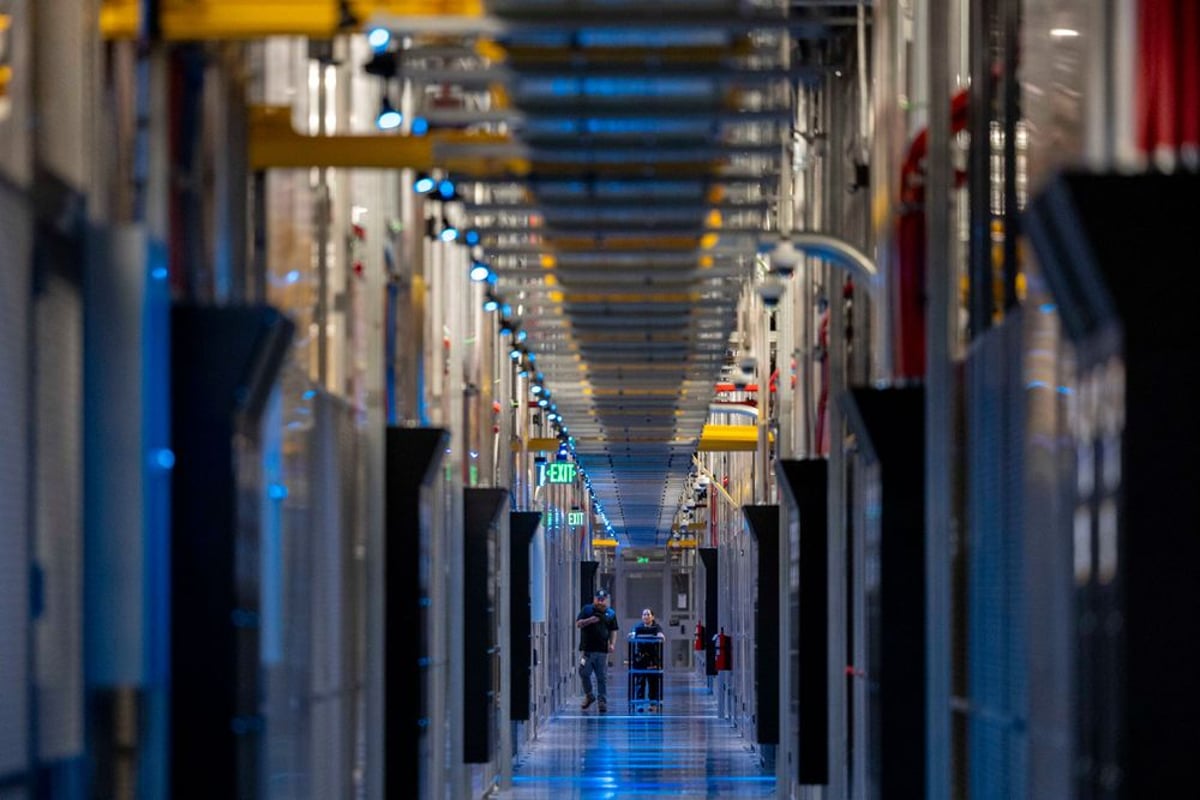
Here's what's actually happening: AI does require significantly more power than traditional computing. A single AI-optimized server rack consumes 80-100 kilowatts - equivalent to powering 100 homes compared to just 6-8 kilowatts for traditional data centers. "Essentially what you're looking at is a small town's worth of power being deployed," Dan Thompson, a principal research analyst at S&P Global, explained during a briefing with reporters.
But the numbers being thrown around by utilities don't add up. In the Southeast, a major data center hub, utilities are projecting four times more demand growth than independent industry analyses suggest. Nationally, utilities are preparing for 50% more demand growth than the tech industry itself expects, according to a December 2024 report from Grid Strategies.
The problem stems from massive speculation in the data center market. "Speculators are flooding the market," the report states, with developers requesting power capacity before securing capital or customers. Some are approaching multiple utilities for quotes, leading to double or triple counting of the same proposed projects. Jim Burke, CEO of Texas-based Vistra Energy, acknowledged on a Q1 earnings call that proposed grid connections "may be overstated anywhere from three to five times what might actually materialize."
This speculation frenzy is driving real infrastructure decisions with long-term consequences. Since January 2023, as generative AI heated up, proposed gas capacity jumped 70%. If all these projects move forward, America's gas-fired power plant fleet would grow by nearly a third. That's exactly the opposite direction the country needs to go to meet climate goals.
Meta provides a stark example of the stakes involved. In Louisiana, local utility Entergy proposed building three new gas plants to power a massive Meta data center that would consume as much electricity as 1.5 million homes and generate 100 million tons of carbon emissions over 15 years.
The timing couldn't be worse for clean energy progress. The Trump administration is actively incentivizing fossil fuel reliance, a sharp departure from the Biden administration's goal of achieving 100% carbon pollution-free electricity by 2035. This creates a perfect storm where speculative AI demand projections are driving unnecessary gas infrastructure buildouts just as federal support for renewables gets rolled back.
"The uncertainty is unnerving considering the costs that Americans could wind up paying when it comes to higher utility bills and more pollution," warns Kelly Poole, the report's lead author. Building unnecessary capacity creates stranded assets that utilities and their customers end up paying for regardless of whether they're actually needed.
But there are solutions. Utilities can require developers to disclose how many other utilities they've approached and demand long-term service agreements with higher deposits and cancellation fees. This would help separate serious projects from speculation.
Tech companies have an even bigger role to play. Google, Amazon, and Meta have historically been top corporate purchasers of renewable energy. Ramping up these commitments could counteract both the Trump administration's renewable energy rollbacks and the rush toward gas infrastructure.
The report highlights a fundamental tension in the AI boom: while the technology does require significant power, the market dynamics around that demand are creating perverse incentives. Building new infrastructure is one of the most lucrative ways for utilities to increase profits, creating an incentive to overestimate future needs.
What makes this particularly frustrating is that electricity demand had been essentially flat for over a decade before the AI boom, thanks to energy efficiency improvements. The sudden surge in projected demand - much of it speculative - is now being used to justify a massive expansion of fossil fuel infrastructure.
The stakes extend beyond just energy policy. If utilities are indeed overbuilding capacity by 3-5 times actual needs, American consumers will bear those costs through higher utility bills for decades to come. Meanwhile, the planet will suffer from unnecessary carbon emissions at precisely the moment when every ton matters for avoiding climate catastrophe.
The AI energy crisis may be real, but it's not the crisis most people think it is. The real problem isn't that AI uses too much power - it's that speculation and perverse utility incentives are driving unnecessary infrastructure buildouts that could lock in fossil fuel dependence for decades. With careful planning, transparency requirements, and aggressive renewable energy commitments from tech giants, the industry could meet its actual power needs without sacrificing climate goals or burdening consumers with stranded assets.