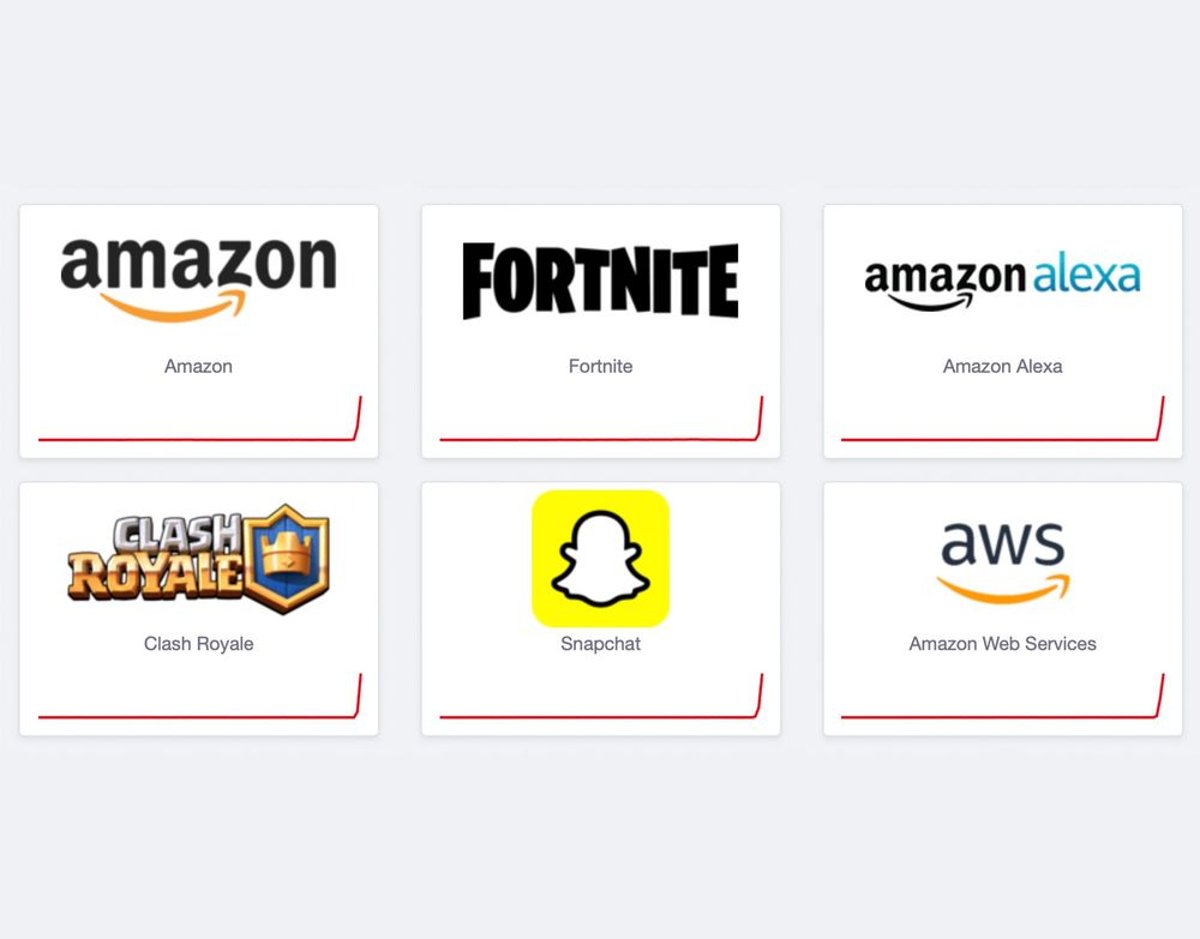
Amazon Web Services is experiencing a massive outage that's brought down some of the internet's biggest services, including Alexa, Fortnite, Snapchat, and Amazon's own platforms. The infrastructure failure, which began at 3:11 AM ET, is affecting the critical US-EAST-1 region and rippling across global services that depend on AWS cloud infrastructure.
Amazon Web Services just delivered a harsh reminder of how much of the internet runs on its infrastructure. The cloud giant's ongoing outage is taking down everything from your morning Alexa alarm to Epic Games' Fortnite servers, creating chaos across both consumer and enterprise services.
The problems started hitting the AWS status dashboard at 3:11 AM ET, with the company reporting "increased error rates and latencies for multiple AWS services in the US-EAST-1 Region." But this isn't just a regional hiccup - the failure is cascading globally, affecting services that rely on AWS's interconnected infrastructure.
Consumers are getting hit hard. Reddit users report that Alexa devices are completely unresponsive, failing to execute basic commands or pre-programmed routines. Smart home setups that millions rely on for morning alarms, lighting controls, and security systems have essentially gone dark. Testing confirms that even simple requests to Amazon's voice assistant are met with error messages.
The enterprise impact is equally severe. Perplexity CEO Aravind Srinivas took to X to explain the situation bluntly: "Perplexity is down right now. The root cause is an AWS issue. We're working on resolving it." The AI-powered search platform joins a growing list of business-critical services experiencing outages, including collaboration tool Airtable, design platform Canva, and even the McDonald's mobile app.
This outage highlights the concentrated risk in cloud infrastructure. AWS controls roughly 32% of the global cloud market, according to recent Synergy Research data, making it the backbone for countless services that consumers and businesses use daily. When AWS's US-EAST-1 region - one of its oldest and most important data center clusters - experiences problems, the effects ripple across the entire internet ecosystem.
The timing couldn't be worse for many companies. Sunday morning outages often catch businesses with reduced technical staff, potentially extending recovery times. For gaming companies like Epic Games, weekend outages hit peak usage periods when players have time to engage with platforms like Fortnite.
Amazon issued its most recent update at 3:51 AM ET, stating "We are actively engaged and working to both mitigate the issue and understand root cause. We will provide an update in 45 minutes, or sooner if we have additional information to share." The company hasn't revealed what's causing the widespread failures or provided any timeline for restoration.
The outage is reminiscent of previous AWS incidents that exposed how dependent modern digital infrastructure has become on a handful of major cloud providers. In December 2021, a similar AWS outage took down Netflix, Disney+, and countless other services for hours. Each incident renews discussions about the need for better redundancy and distributed infrastructure approaches.
For businesses running on AWS, this outage serves as an expensive reminder about disaster recovery planning. Companies that have implemented multi-region deployments or hybrid cloud strategies are likely faring better than those with single-region dependencies. The incident will probably accelerate enterprise discussions about diversifying cloud providers to reduce concentration risk.
As the outage continues into Sunday morning, affected companies are scrambling to communicate with users and implement backup systems where possible. The full economic impact won't be clear until services are restored, but with millions of users unable to access everything from entertainment platforms to productivity tools, the cost is mounting by the hour.
This AWS outage exposes the fragility of our increasingly centralized internet infrastructure. As millions of users wait for their favorite services to come back online, companies are getting a costly lesson in the importance of disaster recovery planning and infrastructure diversification. The incident will likely accelerate enterprise conversations about reducing dependency on single cloud providers, but for now, much of the digital world remains at the mercy of AWS engineers working to restore service in Virginia's data centers.