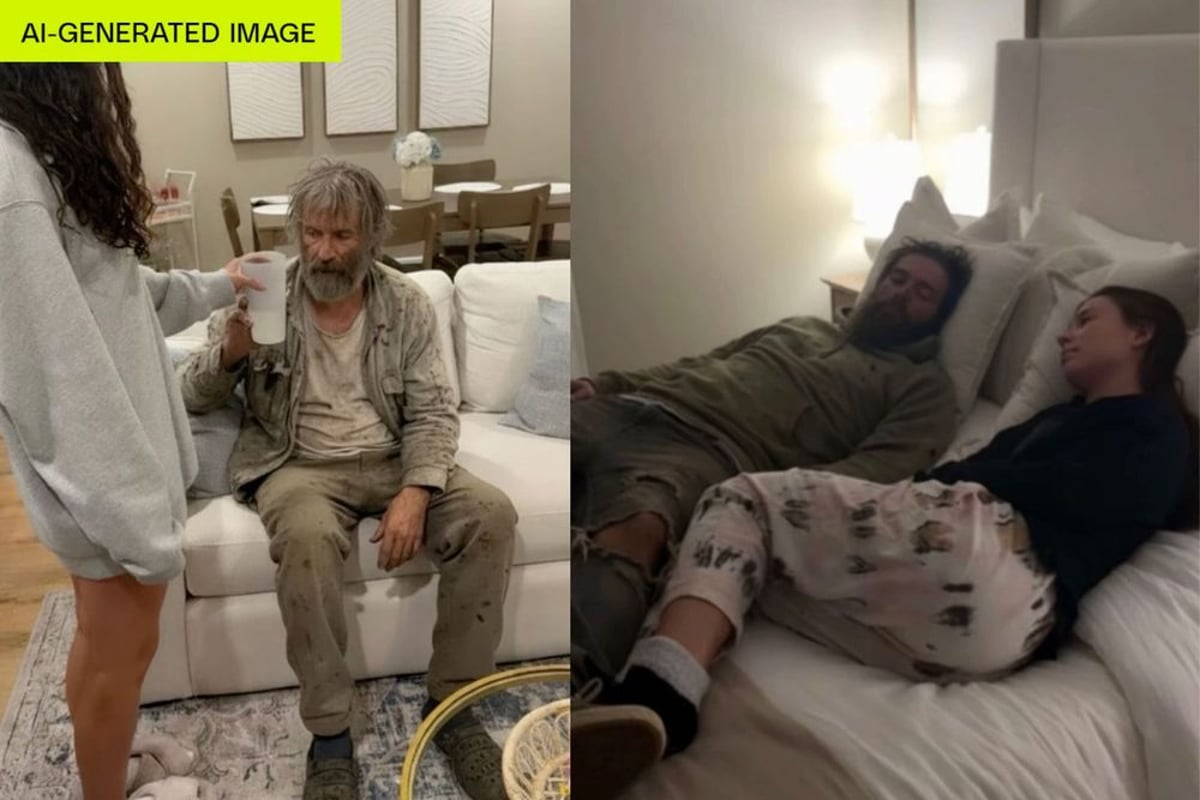
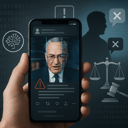
A viral TikTok trend has police departments across the country issuing warnings after teenagers started using AI to create fake images of homeless people in their homes, sending the realistic photos to their parents and recording their panicked reactions. The prank has escalated beyond social media entertainment, with some parents calling 911 and forcing law enforcement to respond to what they believe are active home invasions.
What started as a teenage prank on social media has evolved into a public safety concern that's forcing police departments nationwide to issue urgent warnings. Kids are leveraging Snapchat's AI image generation tools to create disturbingly realistic photos of disheveled, seemingly homeless individuals inside their family homes, then sending these fabricated images to their unsuspecting parents.
The mechanics are deceptively simple but emotionally devastating. Teenagers craft convincing backstories, telling their parents they've allowed a stranger inside to use the bathroom, take a nap, or grab a drink of water. Often, they claim the person mentioned knowing the parents from work or college, adding an extra layer of believability that sends parents into immediate panic mode.
The reaction videos are exactly what you'd expect - and exactly what's driving the viral spread. Parents lose their composure, demanding their children immediately remove the intruder, while the kids secretly record every moment of genuine terror and confusion. These clips are then uploaded to TikTok, where some have accumulated millions of views, turning family trauma into social media gold.
But the prank has crossed a dangerous threshold. When parents can't reach their children or when the deception stretches too long, they're calling 911. What seems like harmless fun to teenagers becomes a high-priority emergency response for law enforcement agencies already stretched thin across multiple crises.
"Calls of a home invasion, especially involving children are treated as high priority by police," creating situations where valuable emergency resources get diverted to respond to fabricated scenarios. Round Rock Police Patrol Division Commander Andy McKinney told NBC that these false reports could even "cause a SWAT response," putting both responding officers and the pranksters themselves in genuine danger.
The Salem, Massachusetts police department captured the full scope of the problem in their official statement: "This prank dehumanizes the homeless, causes the distressed recipient to panic and wastes police resources. Police officers who are called upon to respond do not know this is a prank and treat the call as an actual burglary in progress thus creating a potentially dangerous situation."
Multiple law enforcement agencies have now issued similar warnings, with departments in Ohio and other states reporting the same pattern of emergency calls triggered by AI-generated imagery.
The trend highlights a broader concern about AI accessibility and the unintended consequences of putting powerful image generation tools in the hands of users who may not fully grasp the real-world implications of their digital creations. While previous AI concerns focused on deepfaked political content or synthetic media in professional contexts, this incident demonstrates how consumer-grade AI tools can create immediate, tangible public safety risks.
What makes this particularly troubling is the casual nature of the harm. These aren't sophisticated bad actors seeking to manipulate elections or commit fraud - they're kids looking for social media clout who've stumbled into a formula that weaponizes parental love and law enforcement protocols. The emotional manipulation of parents, combined with the systemic waste of emergency services, creates a perfect storm of unintended consequences.
The viral nature of the content also means the problem is likely to get worse before it gets better. As more teenagers see the massive view counts and engagement these videos generate, the temptation to recreate the prank grows, even as police departments scramble to educate the public about the serious ramifications.
This viral trend represents a perfect storm of accessible AI technology, social media incentives, and unintended consequences that extend far beyond digital entertainment. As AI image generation becomes more sophisticated and widely available, we're likely to see more instances where seemingly harmless pranks create real-world safety risks. The challenge for both platforms and law enforcement will be finding ways to address these emergent behaviors without stifling technological innovation or legitimate creative expression.