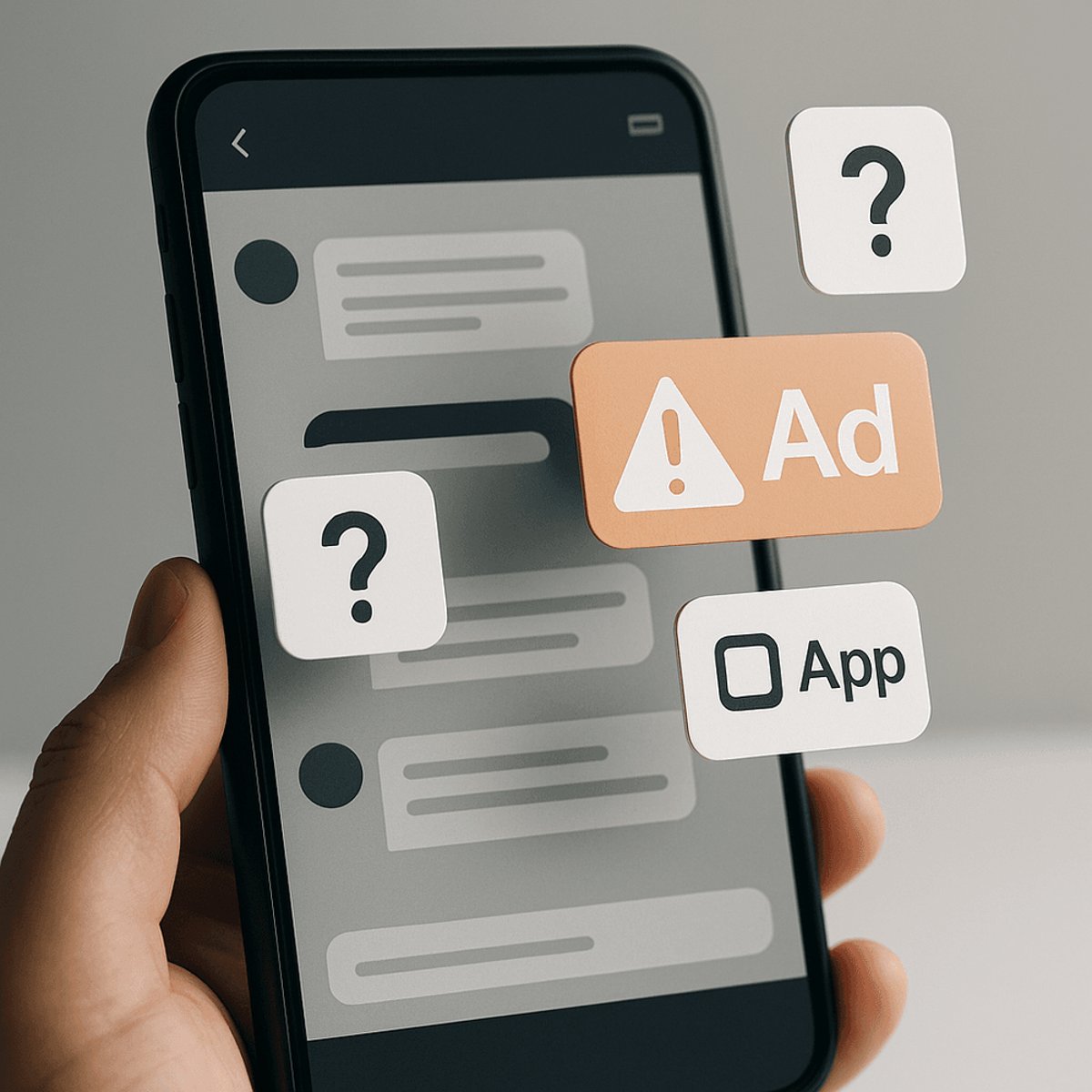
OpenAI is scrambling to contain backlash after ChatGPT users discovered what looked like ads for third-party apps interrupting their conversations. The controversy erupted when a $200-per-month Pro subscriber shared a screenshot of ChatGPT randomly suggesting the Peloton app during an unrelated discussion about Elon Musk and xAI, sparking fears that the company was quietly inserting advertisements into its premium service.
OpenAI just learned a hard lesson about user trust when Hyberbolic co-founder Yuchen Jin posted a screenshot that set the AI world ablaze. His ChatGPT conversation about an Elon Musk podcast suddenly veered into suggesting he connect the Peloton app - completely out of nowhere. The post exploded to nearly 462,000 views as users feared ads had infiltrated their premium AI assistant.
The timing couldn't be worse for OpenAI. Jin wasn't just any free user - he pays $200 monthly for ChatGPT's Pro Plan, making the unsolicited app suggestion feel like a betrayal. Users across X shared similar frustrations, with one subscriber complaining that ChatGPT kept pushing Spotify despite being an Apple Music user. The pattern suggested systematic app promotion rather than helpful AI assistance.
OpenAI's damage control came swift but clumsy. Daniel McAuley, the company's data lead for ChatGPT, jumped into the viral thread to clarify that the Peloton placement had 'no financial component' and wasn't a paid advertisement. But his admission that 'the lack of relevancy makes it a bad/confusing experience' only highlighted how poorly the feature was executing.
The controversy stems from OpenAI's October announcement about its new app platform, designed to let third-party applications 'fit naturally' into ChatGPT conversations. The company envisioned users discovering relevant apps organically through AI suggestions, creating a seamless ecosystem that could eventually challenge traditional app stores.
But natural integration proved harder than expected. Users found themselves bombarded with irrelevant suggestions they couldn't disable, making the feature feel more like intrusive advertising than helpful discovery. The distinction between 'app suggestions' and 'ads' became meaningless when users experienced unwanted product recommendations interrupting their workflows.
The backlash reveals deeper tensions around AI monetization. While OpenAI insists these suggestions aren't ads, they're directing users toward paid services from partner companies including Booking.com, Canva, Coursera, Figma, Expedia, and Zillow. The fine line between recommendation and promotion becomes blurrier when commercial interests align.
This misstep could derail OpenAI's ambitious vision to replace smartphone app ecosystems with AI-integrated experiences. If users associate ChatGPT with pushy app suggestions, they might migrate to competitors like Anthropic's Claude or Google's Gemini to avoid the distraction. Trust, once broken, proves difficult to rebuild in the competitive AI landscape.
The feature remains in pilot testing for logged-in users outside the EU, Switzerland, and UK, giving OpenAI time to refine the experience before broader rollout. But the company faces a fundamental challenge: how to monetize through app partnerships without alienating users who expect premium AI assistance, not product placement.
Industry observers note this controversy echoes broader concerns about AI model behavior and transparency. Users want to understand when AI responses are influenced by commercial partnerships, even if no direct payment changes hands. The expectation of neutral, helpful AI assistance clashes with business models requiring revenue diversification beyond subscription fees.
This controversy exposes the delicate balance between AI innovation and user trust. While OpenAI pursues ambitious plans to transform how we interact with applications, the company must remember that paying customers expect transparent, helpful experiences - not surprise product recommendations that feel like disguised advertising. The path forward requires better relevance algorithms, user control options, and clearer communication about when commercial partnerships influence AI suggestions. Success in the AI app ecosystem won't come from forcing integration, but from earning user confidence through genuinely useful experiences.