The AI revolution just hit a critical inflection point - and it's not pretty. Markets are reeling from an AI-driven selloff while politicians scramble to respond to technology that's evolved faster than anyone can regulate. According to CNBC's latest investigation, the collision between breakneck AI advancement and nonexistent guardrails has created a perfect storm that's reshaping both Wall Street and Washington. The question everyone's asking: who's actually in control anymore?
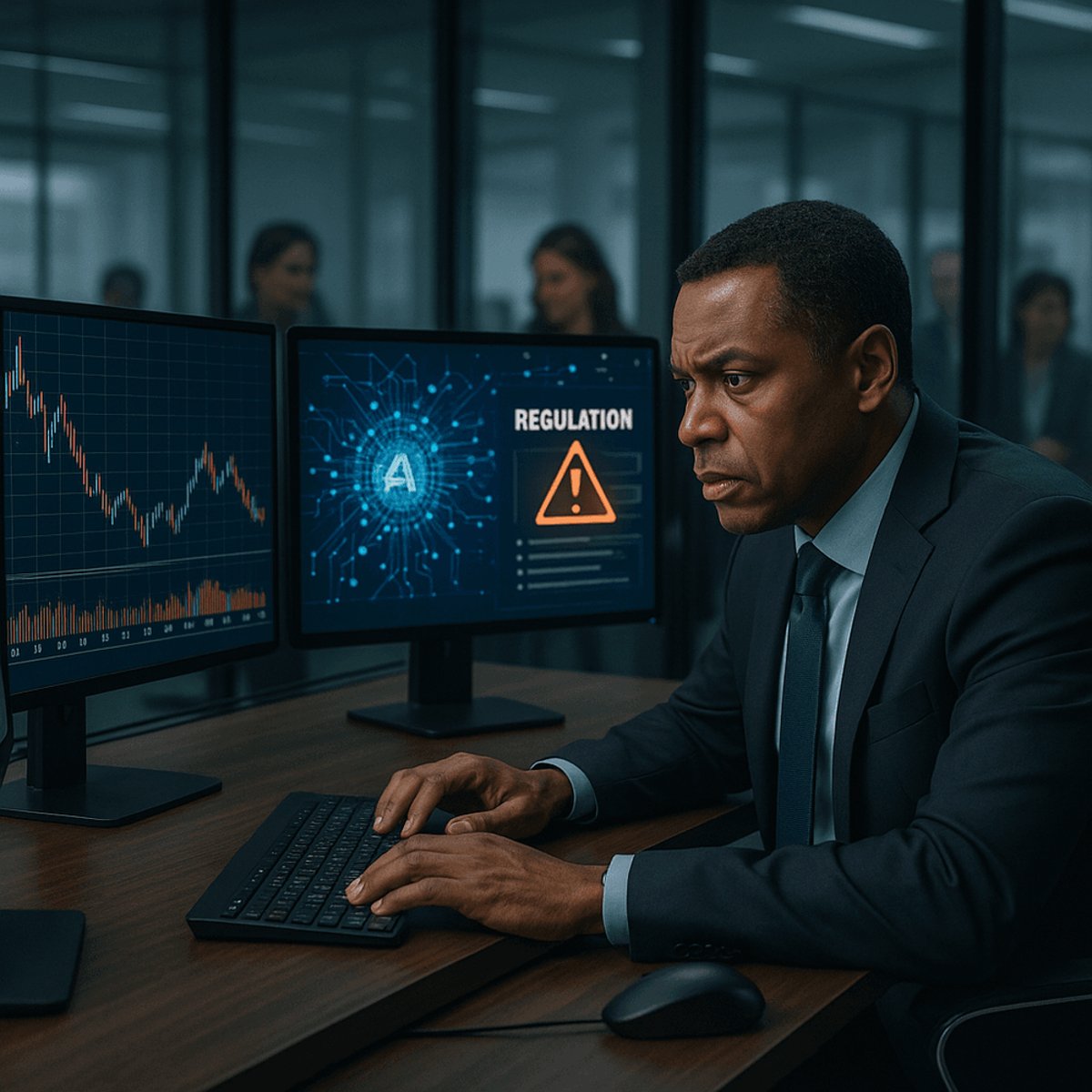
The latest wave of AI capabilities isn't just impressive - it's destabilizing. Markets took a hit this week as traders grappled with the implications of AI systems that have evolved beyond current regulatory frameworks. The selloff underscores a harsh reality that the tech industry has been reluctant to acknowledge: we've built systems we don't fully know how to govern.
CNBC's Deirdre Bosa dove into the chaos, revealing how AI agents - autonomous systems capable of making independent decisions - have created uncertainty that's rippling through financial markets. The technology has reached a level of sophistication that's caught both regulators and investors off guard. Unlike previous tech disruptions where policy could eventually catch up, AI's exponential development curve means the gap between capability and oversight keeps widening.
The political response has been fragmented and reactive. Lawmakers who spent years debating basic AI safety measures now face systems that have already moved several generations ahead. The usual playbook of studying the issue, holding hearings, and drafting legislation simply can't keep pace with technology that fundamentally evolves every few months. This isn't just a regulatory challenge - it's a crisis of governance in real-time.
Major tech companies including OpenAI, Google, Microsoft, and Meta have been racing to deploy increasingly powerful AI systems. Each breakthrough brings new capabilities but also new risks that existing frameworks weren't designed to handle. The competitive pressure to ship new features has created an environment where safety considerations often take a backseat to market positioning.
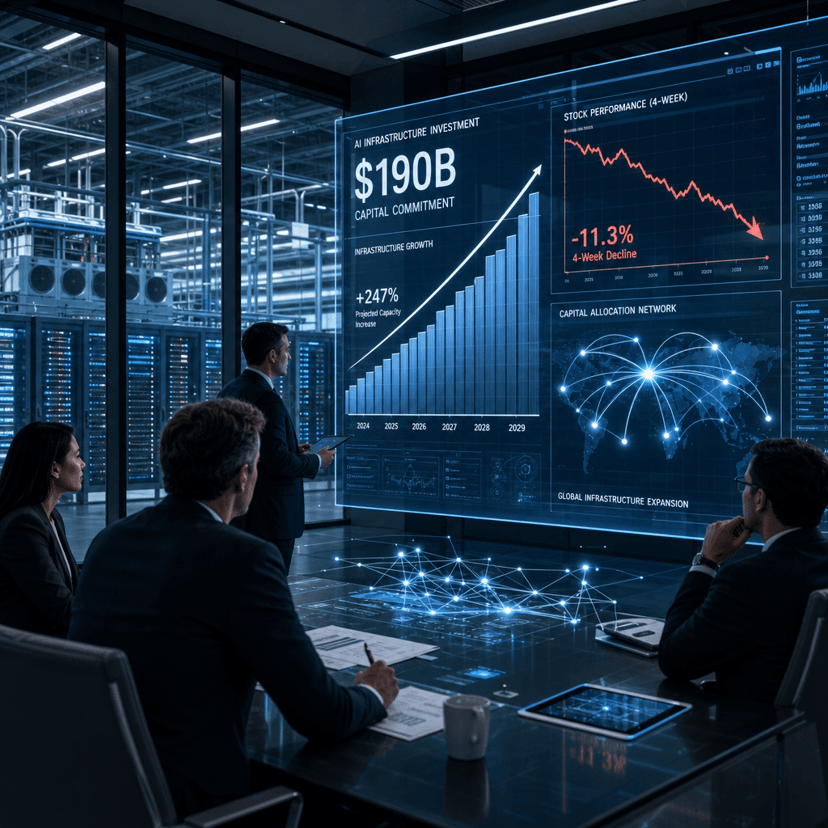
The market meltdown reveals deeper anxieties about AI's trajectory. Investors are starting to price in regulatory risk that barely existed six months ago. The prospect of emergency government intervention - whether through executive orders, emergency regulations, or legislative action - has created volatility that's affecting everything from AI startups to established tech giants. Companies that bet heavily on unfettered AI development now face the possibility of sudden rule changes that could fundamentally alter their business models.
What makes this moment particularly dangerous is the lack of international coordination. While U.S. regulators debate their response, AI development continues unabated globally. Companies can essentially shop for the most permissive jurisdictions, creating a race to the bottom that undermines any single nation's ability to impose meaningful safeguards. The technology doesn't respect borders, but the regulatory responses remain stubbornly national.
Enterprise leaders are caught in the middle. The pressure to adopt AI to remain competitive conflicts with growing concerns about liability and regulatory exposure. Companies deploying AI agents for customer service, financial analysis, or operational decisions now face questions about accountability when those systems make mistakes or cause harm. Traditional risk management frameworks weren't built for autonomous systems that can learn and adapt independently.
The investment community is recalibrating fast. Venture capital that poured billions into AI startups with minimal scrutiny is now demanding clearer answers about regulatory risk and safety protocols. Late-stage companies preparing for IPOs face new questions about their AI governance structures. The easy money era for AI companies that promised revolutionary capabilities without addressing potential downsides appears to be ending.
Some industry insiders argue the market correction was inevitable and perhaps even healthy. Years of hype about AI's transformative potential created valuations that assumed unlimited growth with zero regulatory friction. Reality is now asserting itself. The question isn't whether AI regulation will come - it's how severe it will be and whether the industry can shape it constructively or will have harsh restrictions imposed from outside.
The technical capabilities driving this crisis are genuinely impressive. Modern AI agents can handle complex multi-step tasks, make contextual decisions, and operate with minimal human oversight. But that power comes with risks that society is only beginning to understand. From AI systems that can manipulate financial markets to those that make life-altering decisions about credit, healthcare, or employment - the stakes have never been higher.
What happens next will likely define the AI industry for the next decade. Politicians face enormous pressure to act, but premature regulation could stifle innovation and cede technological leadership to less scrupulous jurisdictions. Tech companies want to avoid heavy-handed rules but have so far failed to demonstrate effective self-governance. And investors are trying to navigate an environment where the regulatory landscape could shift dramatically at any moment.
The collision between AI capability and regulatory capacity has moved from theoretical concern to market-moving reality. This isn't just another tech policy debate that can be resolved through lengthy Congressional hearings and industry working groups. The pace of AI development has created an unprecedented governance challenge where the technology keeps evolving faster than society's ability to understand and control it. For investors, the message is clear: regulatory risk is now fundamental to AI investments. For tech companies, the era of moving fast and breaking things without consequences is ending. And for everyone else, the question of who actually controls these powerful systems - and who's responsible when they go wrong - has never been more urgent. The market selloff might be temporary, but the governance crisis it exposed isn't going away.