Amazon and NVIDIA just announced a major collaboration to build next-generation AI assistants for cars, pushing the automotive industry deeper into the AI revolution. The partnership aims to deliver technology that can understand group conversations and interpret the vehicle's surroundings, marking a significant leap beyond today's basic voice commands. This could reshape how drivers and passengers interact with their vehicles, bringing the same conversational intelligence powering home assistants into the fast-moving automotive market.
Amazon and NVIDIA are joining forces to bring sophisticated conversational AI into cars, the companies announced today. The partnership targets a capability that's eluded most automakers: AI assistants that can actually follow multi-person conversations and understand what's happening outside the vehicle, not just respond to basic voice commands.
The collaboration brings together Amazon's deep experience in conversational AI, honed through Alexa's deployment in millions of homes, with NVIDIA's dominance in automotive computing platforms. Automakers have struggled for years to deliver voice assistants that feel natural, often defaulting to frustrating command-based systems that require precise phrasing. This partnership could finally bridge that gap.
According to Amazon's announcement, the technology will enable vehicles to understand context from multiple speakers simultaneously. That means a family discussing dinner plans could have the AI assistant naturally join the conversation, suggest restaurants based on the discussion, and navigate to the chosen location without anyone issuing a direct command. The system would also interpret visual and sensor data from around the vehicle, potentially warning about approaching cyclists or suggesting lane changes based on traffic patterns.
The automotive AI market has become a battleground for tech giants. Apple spent years developing its now-shelved car project, while Google continues pushing Android Automotive into vehicles from General Motors and Volvo. Tesla has built its own AI stack from the ground up, focusing primarily on autonomous driving rather than conversational interfaces.
NVIDIA's DRIVE platform already powers infotainment and autonomous driving systems in vehicles from Mercedes-Benz, Jaguar Land Rover, and dozens of others. The company's automotive revenue hit record levels last year as automakers raced to add AI capabilities. By integrating Amazon's conversational technology directly into NVIDIA's platform, the partners are offering automakers a turnkey solution that could accelerate deployment.
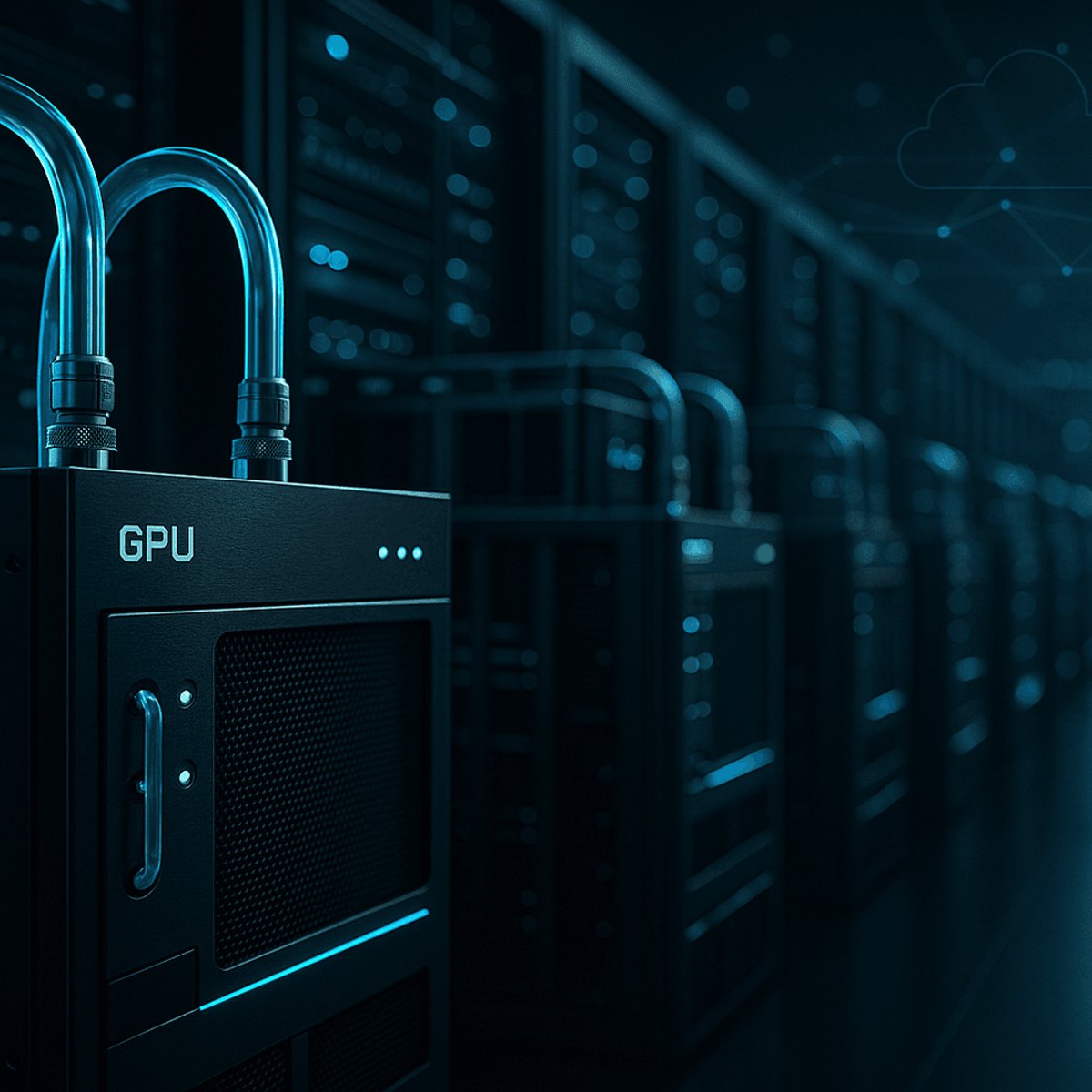
The technical challenge is substantial. Understanding overlapping conversations requires advanced natural language processing that can separate speakers, track conversation threads, and maintain context across interruptions. Adding environmental awareness means fusing data from cameras, radar, lidar, and other sensors, then processing it fast enough to provide real-time responses. NVIDIA's edge computing chips handle the processing locally rather than relying on cloud connectivity, addressing latency and privacy concerns that have plagued earlier attempts.
For Amazon, the partnership extends its AI reach beyond smart homes into the massive automotive market. The company has been quietly building automotive partnerships for years, with Alexa already available in vehicles from BMW, Ford, and Toyota. But those integrations typically rely on smartphone connections and offer limited functionality compared to what this new collaboration promises.
The timing aligns with broader industry trends toward software-defined vehicles, where over-the-air updates and AI capabilities become key differentiators. Tesla demonstrated the value of this approach, regularly adding features through software updates. Traditional automakers are scrambling to match that agility, and partnerships like Amazon-NVIDIA offer a faster path than building everything in-house.
Neither company disclosed financial terms or named specific automaker customers, though the announcement signals that discussions are already underway. The technology will likely appear first in premium vehicles before trickling down to mainstream models, following the typical automotive adoption curve. Development timelines in the auto industry stretch years from announcement to production, meaning consumers probably won't see these systems until 2027 or 2028 at the earliest.
The Amazon-NVIDIA partnership represents a significant escalation in the battle for automotive AI dominance. By combining Amazon's conversational expertise with NVIDIA's automotive computing muscle, the companies are offering automakers something they've struggled to build themselves: truly intelligent in-car assistants. If the technology delivers on its promise, it could fundamentally change how we interact with vehicles, making cars feel less like machines and more like attentive co-pilots. The real test will come when automakers actually deploy these systems and drivers discover whether the AI can handle the chaos of real-world conversations and driving conditions. For now, the partnership signals that the connected car revolution is accelerating, with tech giants determined to own the software layer even if they never build the vehicles themselves.