Amazon just threw down the gauntlet on data center sustainability, claiming its facilities use seven times less water than the industry average. The announcement comes as Amazon revealed a 52% improvement in water efficiency since 2021, a critical milestone as the AI boom pushes cloud providers to build more power-hungry infrastructure. With data centers accounting for roughly 1% of global electricity use and facing mounting scrutiny over resource consumption, Amazon's efficiency claims arrive at a moment when every major tech player is racing to prove their green credentials.
Amazon is making its boldest sustainability claim yet in the data center wars. The company announced Thursday that its facilities achieve water efficiency rates seven times better than the industry average, marking a 52% improvement since 2021. The disclosure comes through Amazon's official sustainability channel as the company faces mounting pressure to justify the environmental cost of its massive cloud infrastructure expansion.
The timing isn't coincidental. Data center water consumption has become a flashpoint as AI workloads explode across the industry. Microsoft, Google, and Meta are all scrambling to build new facilities to support generative AI services, and local communities are pushing back hard. From Arizona to Ireland, data center projects face delays and cancellations over water usage concerns, particularly in drought-prone regions.
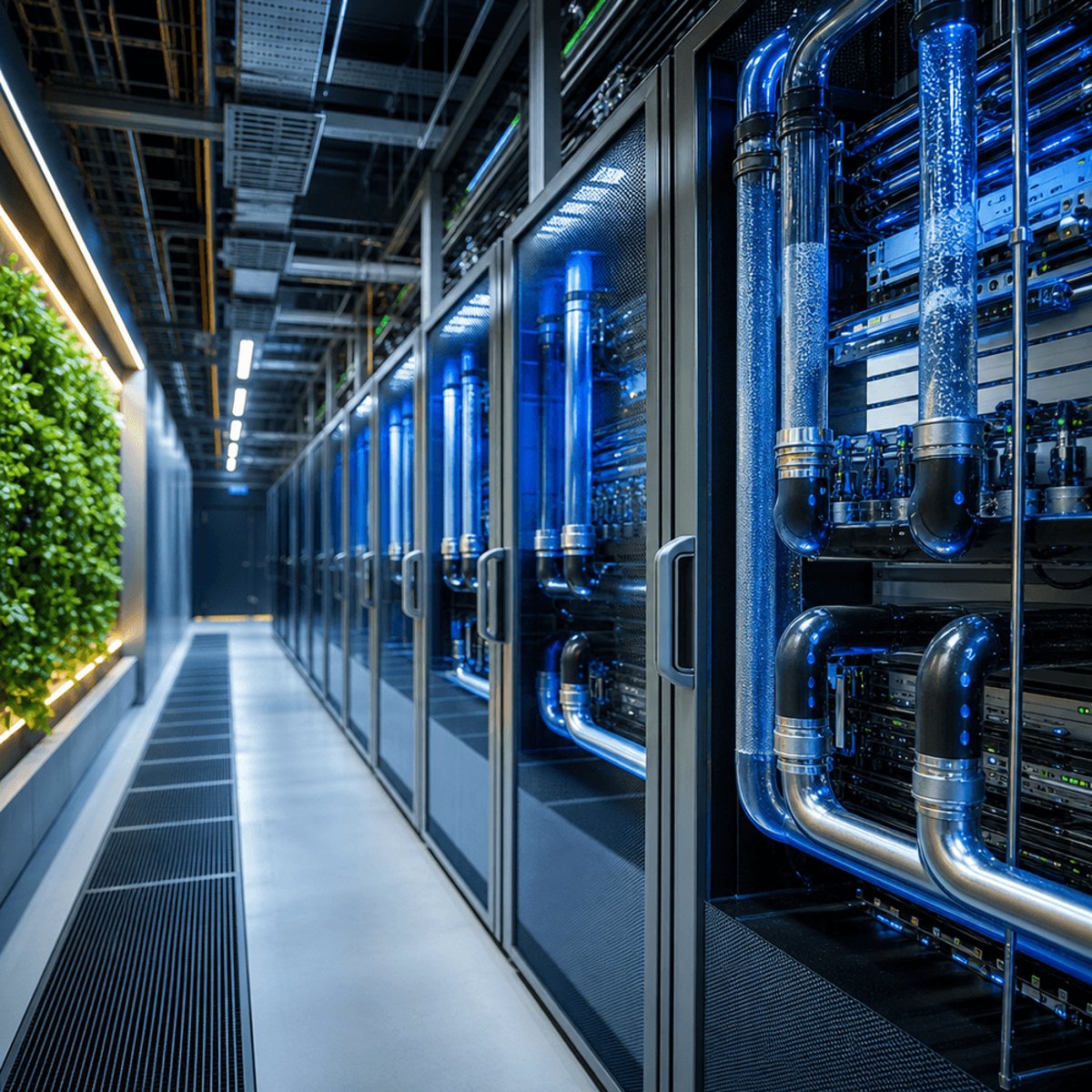
Amazon's 52% efficiency gain since 2021 represents a significant technical achievement in an industry where cooling systems traditionally guzzle water to prevent server meltdowns. The company appears to be leveraging advanced cooling technologies, though specific technical details weren't disclosed in Thursday's announcement. Industry experts point to innovations like liquid cooling, free-air cooling in temperate climates, and closed-loop water systems as likely contributors to such dramatic improvements.
The seven-times efficiency claim positions Amazon aggressively against competitors. Google has been vocal about its water efficiency initiatives, reporting that its data centers use 3.5 billion gallons annually but claiming industry-leading Power Usage Effectiveness ratings. Microsoft committed to being "water positive" by 2030, pledging to return more water than it consumes. Amazon's benchmark suggests it's winning the efficiency race, though direct comparisons remain difficult without standardized industry metrics.
But the announcement also reveals the scale of pressure Amazon faces. Amazon Web Services operates hundreds of data centers globally, and the company's cloud infrastructure business drives a substantial portion of its $574 billion annual revenue. Every new AI model, every ChatGPT-style service, every enterprise cloud migration adds heat and water demand. Amazon's Capital expenditures on infrastructure hit record levels, and efficiency improvements help justify continued expansion to regulators and communities.
The competitive landscape intensifies as Nvidia GPUs proliferate across data centers, generating unprecedented heat loads. AI training and inference workloads run hotter than traditional computing, forcing cloud providers to completely rethink cooling architectures. Amazon's efficiency gains suggest significant capital investment in next-generation cooling infrastructure, likely including direct-to-chip liquid cooling and advanced heat rejection systems.
Regulatory momentum is building too. The European Union is developing data center sustainability standards, and several U.S. states are considering water usage restrictions for new facilities. Amazon's announcement reads like pre-emptive positioning, establishing the company as an efficiency leader before mandatory disclosure requirements arrive. The strategy mirrors how tech giants race to set voluntary standards before governments impose them.
What remains unclear is how Amazon defines "industry average" and which competitors fall into that comparison set. The data center industry spans everything from hyperscale cloud facilities to small colocation providers, and efficiency varies wildly. Amazon's claim of 7x better performance could reference outdated industry benchmarks or include less efficient legacy facilities that skew the average. Without third-party verification or detailed methodology, the headline number demands scrutiny.
Still, the 52% improvement since 2021 tells a story of sustained investment and engineering focus. Three years is a rapid timeline for infrastructure transformation at Amazon's scale. The company likely prioritized water efficiency in new builds while retrofitting existing facilities with advanced cooling systems. That level of commitment suggests Amazon sees sustainability not just as PR but as a competitive advantage in winning enterprise contracts and navigating regulatory hurdles.
Amazon's water efficiency announcement is both genuine progress and strategic positioning. The 52% improvement since 2021 demonstrates real engineering advancement at a moment when data center sustainability can't be faked. But the 7x claim also serves as a shot across the bow to Microsoft, Google, and Meta as they build out AI infrastructure. As regulatory pressure mounts and communities push back against resource-intensive facilities, water efficiency is becoming as important as computing performance. Amazon is betting that leading on sustainability metrics will translate to easier permitting, better community relations, and a competitive edge in the enterprise cloud wars. The question now is whether competitors will validate Amazon's benchmark or challenge the methodology behind that seven-times claim.