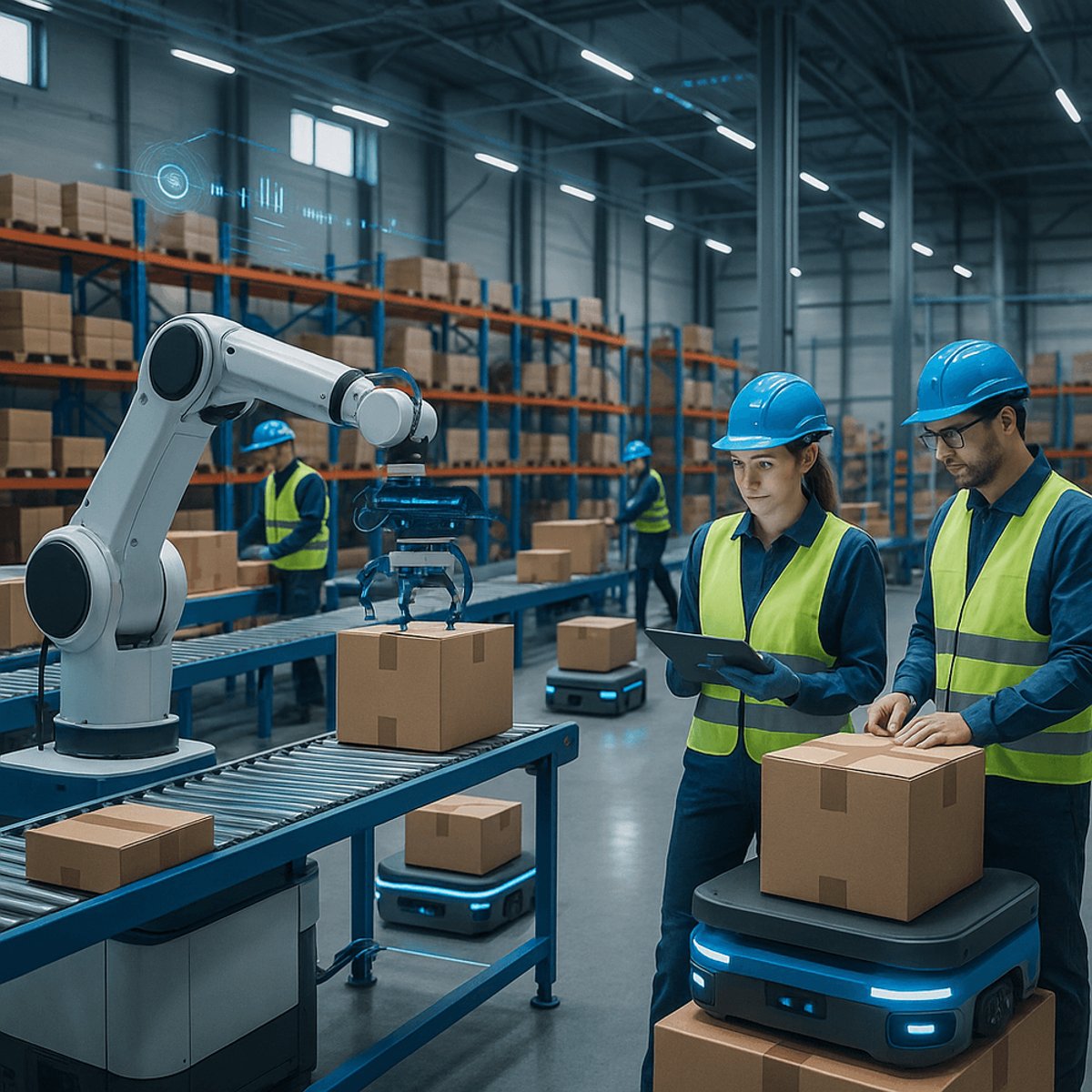
Amazon is betting big on the Asia-Pacific region with a AU$750 million ($485 million USD) robotics-powered fulfillment center in Australia, the company announced today. The state-of-the-art facility will deploy advanced automation systems to process more than 125 million packages annually, marking one of the company's largest infrastructure investments outside North America. The move signals Amazon's aggressive push to compete with regional logistics players while testing next-generation warehouse automation at scale.
Amazon just made its most expensive bet yet on Australia's e-commerce future. The company's AU$750 million robotics fulfillment center represents not just a logistics expansion, but a live testing ground for the automation systems that could define the next decade of global retail.
The facility will blend human workers with advanced robotic systems to handle more than 125 million packages per year, according to Amazon's official announcement. That capacity would make it one of the highest-throughput warehouses in the Southern Hemisphere, putting Amazon on par with established regional players like Australia Post and giving it a significant edge over local e-commerce competitors.
But the real story isn't just about package volume. Amazon's been quietly perfecting its fulfillment robotics for years, starting with the 2012 acquisition of Kiva Systems and evolving through iterations of autonomous mobile robots, robotic arms, and AI-powered inventory systems. This Australian facility appears to be the next proving ground for that technology stack, deployed at a scale that could reshape how the company thinks about warehouse automation globally.
The timing is strategic. Australia's e-commerce market has been growing at double-digit rates since the pandemic, with online retail sales hitting AU$62.3 billion in 2025, according to recent industry data. Amazon has been present in Australia since 2017 but has struggled to match the market dominance it enjoys in North America and Europe. This facility changes that calculus entirely.
What makes this investment particularly interesting is the hybrid model. Amazon isn't trying to eliminate human workers - it's augmenting them with robots that can handle the repetitive, physically demanding tasks while employees focus on problem-solving and quality control. It's a blueprint the company has been testing across its global network, but implementing it at this scale in a new market provides valuable data on how the model performs across different labor markets and regulatory environments.
The competitive implications ripple far beyond Australia. Alibaba, Shopify, and a wave of Southeast Asian e-commerce platforms have been fighting for dominance in the APAC region. Amazon's willingness to deploy nearly half a billion dollars in advanced logistics infrastructure sends a clear signal: it's not ceding territory in what's becoming the world's most valuable e-commerce battleground.
For Amazon's robotics division, this is also a showcase opportunity. The company has been licensing some of its fulfillment technology to third-party logistics providers, and a high-profile success in Australia could accelerate those partnerships. Industrial automation is projected to become a $300+ billion market by 2030, and Amazon's operational track record gives it credibility that pure-play robotics companies lack.
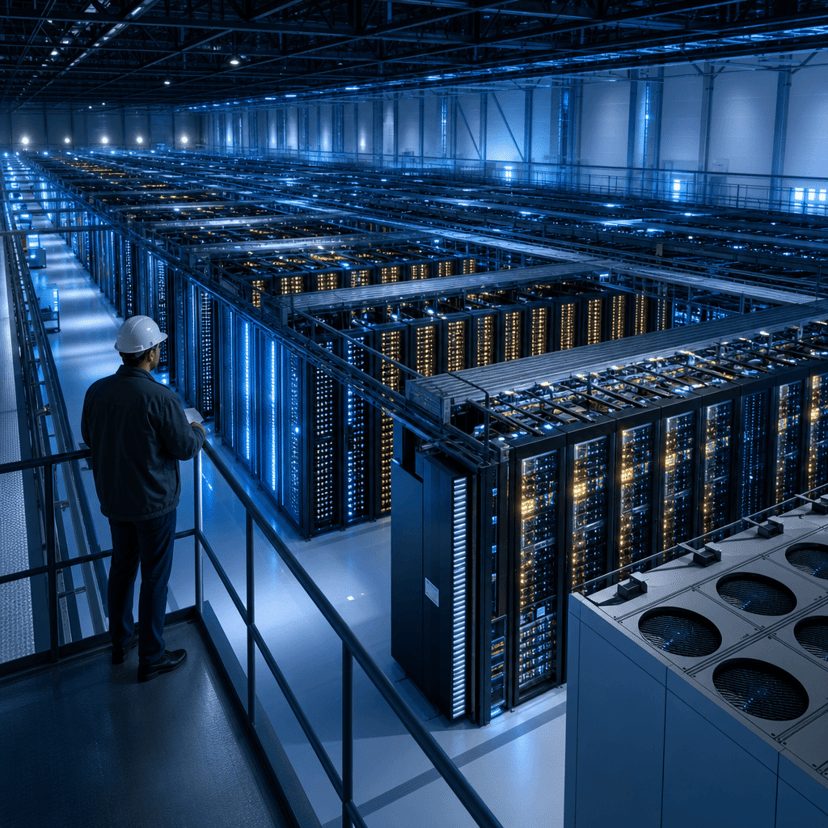
The investment also has implications for Amazon's broader AI strategy. Modern fulfillment robots aren't just following programmed paths anymore - they're using computer vision, machine learning, and real-time optimization algorithms to navigate warehouses, predict inventory needs, and adapt to changing conditions. The data generated by 125 million packages flowing through AI-powered systems annually becomes training data that improves the entire network.
Local economic impact will be substantial, though the exact employment numbers haven't been disclosed. Amazon typically employs hundreds of workers per major fulfillment center, even in highly automated facilities. The company will need site managers, maintenance technicians, logistics coordinators, and specialized robotics operators - roles that didn't exist in traditional warehouses a decade ago.
What remains to be seen is how quickly Amazon can bring the facility online and whether the robotics systems perform as reliably in a new market as they do in more established operations. Supply chain disruptions, labor availability, and the learning curve for integrating new automation systems have all caused delays at other Amazon facilities in recent years.
Amazon's AU$750 million robotics facility isn't just about faster package delivery in Australia - it's a statement about where the company sees the future of logistics heading. By deploying advanced automation at this scale in a strategically important market, Amazon is simultaneously testing next-generation fulfillment technology, challenging regional competitors, and building the infrastructure to capture APAC's booming e-commerce growth. For the robotics industry, it's validation that human-robot collaboration is moving from experimental to essential. And for Amazon's rivals, it's a reminder that the company's willingness to make massive infrastructure bets remains one of its most formidable competitive advantages. The real test will be whether the technology delivers on its promise when 125 million packages start moving through the system.