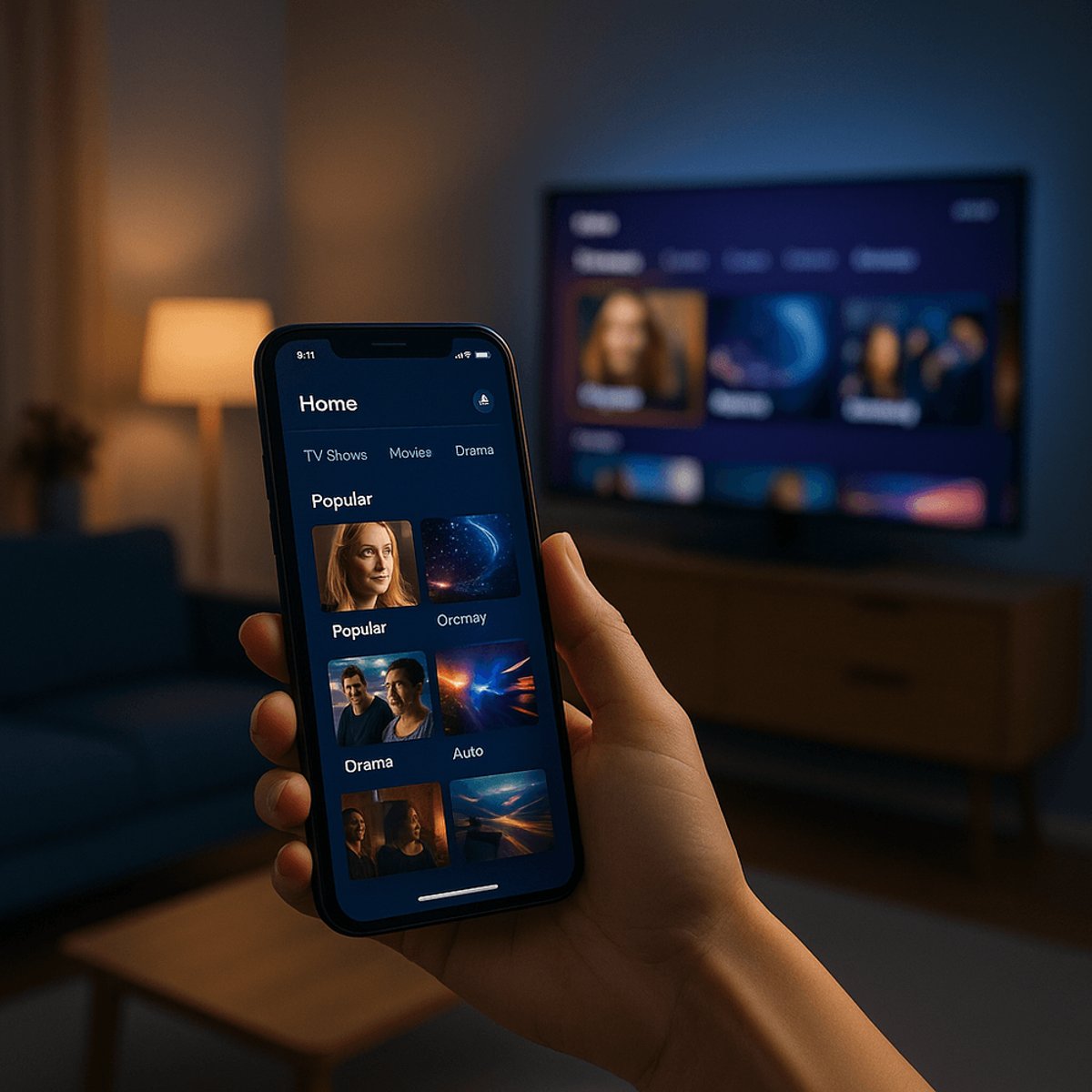
Amazon is overhauling its Fire TV mobile app with a sleek redesign that puts content discovery and remote control functionality directly in users' pockets. The update, rolling out now, lets viewers browse shows and movies on their phones, manage watchlists on the go, and beam content to their TV screens with a tap - a strategic play that mirrors how streaming competitors are betting mobile apps will become the primary way people discover what to watch next.
Amazon is making a significant bet that your phone, not your TV remote, is where you'll decide what to watch tonight. The company's newly redesigned Fire TV app transforms smartphones into full-featured content discovery hubs, letting users browse titles, curate watchlists, and control playback across their connected Fire TV devices.
The timing isn't coincidental. As streaming fragmentation reaches a breaking point with dozens of services competing for attention, the companies winning the battle are those that make discovery effortless. According to recent Nielsen data, viewers now spend an average of 10.5 minutes per session just deciding what to watch - time that streaming platforms desperately want to capture and monetize.
Amazon's update addresses this friction head-on. Instead of hunting through menus on a TV screen with a clunky remote, Fire TV users can now scroll through content recommendations during their commute, add shows to their watchlist while waiting in line for coffee, and have everything ready to play the moment they sit down at home. It's a mobile-first approach that acknowledges how people actually behave with their devices.
But there's more at play here than user convenience. The redesigned app gives Amazon valuable real estate to promote Prime Video originals, push users toward ad-supported content, and cross-sell other Amazon services. Every interaction on the mobile app is a data point - what genres users browse, which titles they skip, how long they deliberate before choosing. That intelligence feeds directly into Amazon's recommendation algorithms and advertising targeting.
The move puts Amazon in direct competition with Roku, whose mobile app has long been a standout feature with robust search and private listening capabilities. Roku's app reportedly sees millions of monthly active users who prefer browsing on their phones. Apple similarly redesigned its Apple TV app across platforms to emphasize unified watchlists and cross-device continuity, while Google has been pushing its Google TV interface as a universal discovery layer accessible from any Android phone.
What makes Amazon's approach particularly strategic is its integration with the broader Fire TV ecosystem. Unlike standalone streaming apps, Fire TV functions as the primary interface for many users' entire entertainment systems. By making the mobile app indispensable for content discovery, Amazon ensures users stay locked into its ecosystem rather than gravitating toward smart TV interfaces from Samsung or LG that might prioritize competing services.
The redesign also arrives as Amazon pushes deeper into ad-supported streaming. Earlier this year, the company began inserting ads into Prime Video content by default, a controversial shift that nonetheless reflects where the streaming economics are headed. A more engaging mobile app means more opportunities to serve personalized ads and recommendations, potentially boosting Amazon's rapidly growing advertising business that now generates over $40 billion annually.
Industry watchers note that mobile apps have become the secret weapon in the streaming wars. While much attention focuses on content libraries and pricing, the companies that make discovery seamless across devices are the ones retaining subscribers. A viewer who spends five minutes building a watchlist on their phone during lunch is far more likely to return to that platform in the evening than someone starting from scratch on a TV interface.
For Amazon, the stakes extend beyond streaming revenue. Fire TV devices serve as Trojan horses for Alexa integration, smart home control, and e-commerce. Every improvement to the Fire TV experience strengthens Amazon's position as the operating system for the living room, a territory that tech giants from Apple to Google are fighting to control.
The update is rolling out gradually to Fire TV app users on iOS and Android, with Amazon promising additional features in future releases. While the company hasn't disclosed specific metrics, the emphasis on mobile-first functionality suggests internal data shows users increasingly prefer managing their entertainment from their phones rather than traditional TV interfaces.
Amazon's Fire TV app redesign might seem like a routine feature update, but it reveals the company's deeper strategy for controlling how people discover and consume streaming content. By making the mobile experience central to Fire TV, Amazon is betting that the path to winning the streaming wars runs through the device already in everyone's pocket. As competitors like Roku, Apple, and Google pursue similar mobile-first strategies, the real battle isn't just for viewers' attention on TV screens - it's for the moments throughout their day when they decide what's worth watching. For Amazon, every swipe through the redesigned app is another chance to keep users engaged with its ecosystem and away from the competition.